These seven ideas run from a layer of cardboard left to do the digging for you to a corner of the yard set aside for sitting, and the one that fits depends on whether you rent, own, or simply need the garden to wait until Saturday afternoon.
A compost bin knocked together from scrap wood and a cattle panel arch both finish in a single weekend, while sheet mulching asks nothing but patience as the cardboard does the digging for you.
1. Sheet Mulching

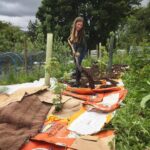
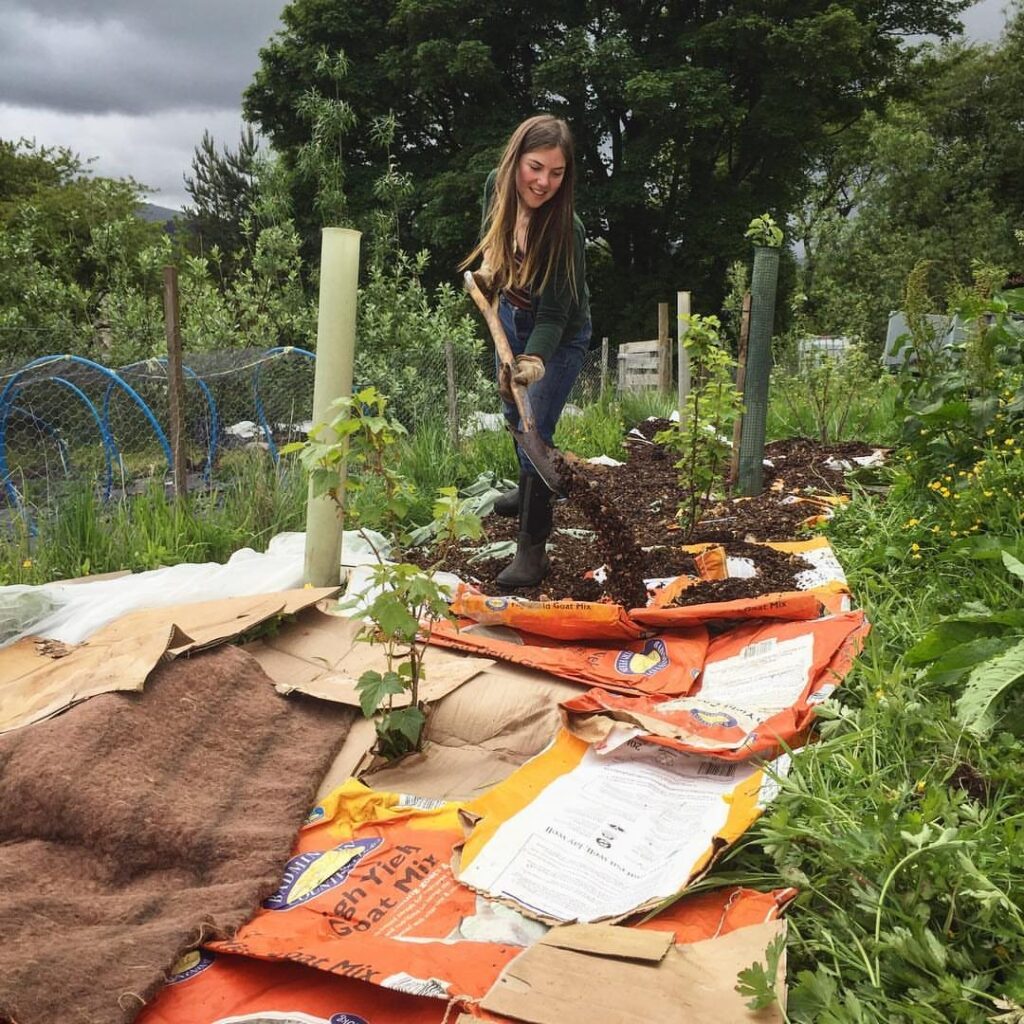
Sheet mulching builds a garden bed by layering cardboard, manure, coffee grounds, and wood chips right on top of grass or weeds. The cardboard smothers what is growing underneath while the organic layers break down into soil.
I would check how thick the cardboard needs to be based on what is growing there now; Bermuda grass needs more layers than a patch of clover.
The method suits renters especially, since you are improving soil you do not own and can walk away from it later. No digging means no rented tiller and no sore back on Sunday night.
2. Cattle Panel Arches

A cattle panel bent into an arch turns a garden row into a tunnel for beans, cucumbers, or squash to climb.
The wire is rigid enough to stand without posts if you sink the ends deep, though I would anchor them with T-posts if your soil is sandy or you get wind.
Shade underneath the arch is a side benefit for lettuce or spinach in July, and the flowers pull in bees right where you need pollination.
3. DIY Elevated Planter

An old table with sturdy legs becomes a raised planter once you add sides tall enough to hold a full depth of soil for roots.
I would line the bottom with plastic or landscape fabric if the surface has gaps between boards; a solid top needs 6–12 drain holes instead.
Treated wood lasts longer, though I would use something food-safe like ecowood if you are growing edibles and the soil touches the frame. The height saves your knees and back, and it keeps rabbits from nibbling lettuce down to stubs.
A picnic table works, a solid-core door on sawhorses works, even a deep dresser drawer on legs works if you seal it.
4. Dwarf Fruit Trees

Dwarf fruit trees stay small enough that you can pick from the ground and fit one on a patio or a narrow side yard. Potted guava can move for sun or shelter from frost.
I would check the chill hours for your zip code before ordering any stone fruit; a peach that fruits in Michigan will sulk in Florida.
Container growing also means you control the soil, which matters if your ground is clay or builders’ fill. A pot dries out faster than earth, and in July that can mean daily watering.
5. Compost Bins

A 5-gallon bucket with holes drilled in the sides is the smallest compost bin that still works, and it fits where a pallet bin would not.
The holes let air in so the pile does not turn slimy, and you can carry it to the garden when the contents finish breaking down.
I would keep a second bucket going so one fills while the other cooks; kitchen scraps in a sealed bucket start to smell after a while.
Bury the finished stuff in a trench beside heavy feeders like tomatoes, or side-dress around established plants. If you have more yard than patio, a wire cylinder or three-bin system handles volume this cannot.
6. Gathering Space

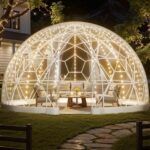
A shed or corner of the deck set with a chair, a small shelf for books, and a rug underfoot turns the garden into somewhere you actually sit.
Glass doors that open the wall to the beds put you in the garden without being in the dirt.
I would put this where you catch morning sun or afternoon shade, depending on your climate and whether you want to read or nap.
The cost runs from a refinished yard-sale chair to a prefab studio, so the idea scales to what you spent on plants this spring. It suits the gardener who otherwise visits only to weed and harvest.
7. Interplanting

Interplanting packs two or three crops into the same bed so nothing sits idle. Garlic tucked between rows of lettuce or bok choy fills gaps while the greens mature, and the smell confuses aphids hunting your tender leaves.
Parsley and orange flowers thread through the same space as the lettuce, one tall or slow crop paired with something low or fast-finishing.
Timing matters more than spacing. A spring lettuce crop finishes before garlic needs the room, so the overlap works instead of fights.
I check days-to-maturity on the seed packet and plant so the early crop is out before the late one needs full sun.
This suits beds where every square foot counts, but it asks more of your attention. Weeding gets harder when you cannot step between neat rows, and harvesting one crop without disturbing its neighbor takes care.
For a first garden, I’d keep it simple: one interplanted bed to learn on, the rest in blocks you can walk through.
Density works when no single plant ends up crowded. I’d pick this for a small group.
A raised bed will contain peas followed by beans, with perhaps a mix of spinach, beets, and carrots in front.