
These ideas run from a dollar-store bucket to a robotic vacuum, and the right one depends on whether you clean in one marathon session or in stolen minutes between other tasks.
A spray mop’s built-in reservoir dries tile faster than a soaked string mop blocking the fridge, while letting oven cleaner sit means the grease breaks down while you fold laundry.
1. Use a Cleaning Caddy
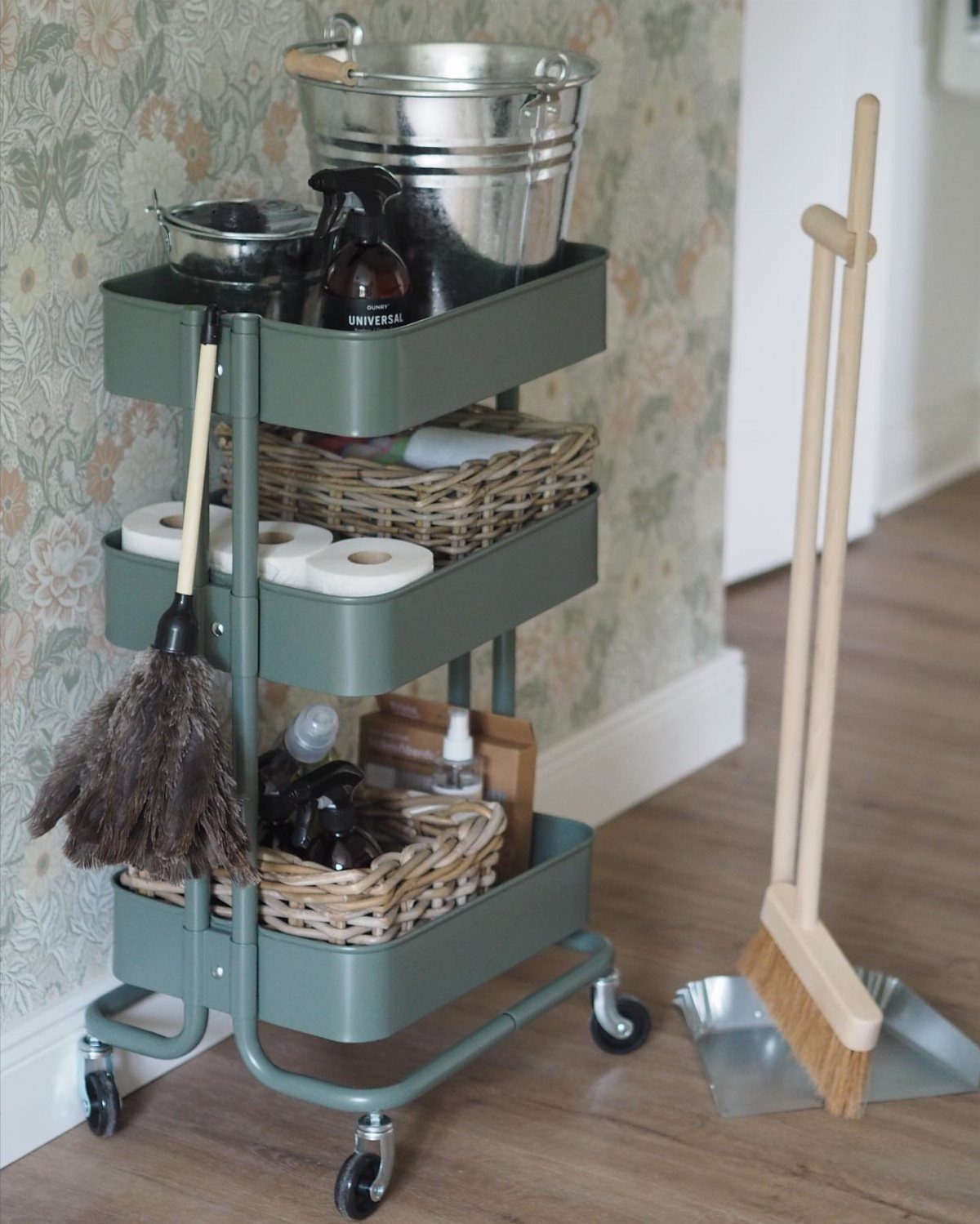
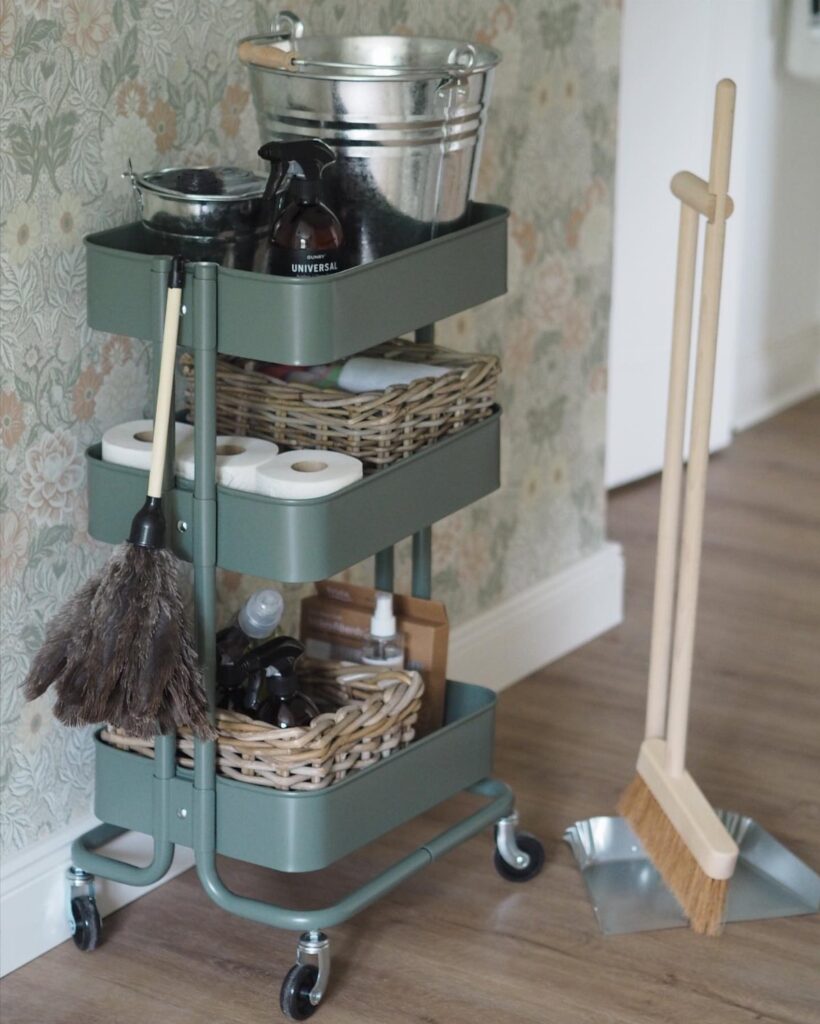
A cleaning caddy keeps every spray bottle and rag where your hand expects it. I started with a plastic bucket from the dollar store and upgraded to a rolling cart once I was carrying supplies between three floors.
Pick a size that fits your worst clutter spot: under a sink, in a closet, or narrow enough for a bathroom corner. An all-purpose cleaner covers most surfaces and lightens the load.
A caddy suits anyone who cleans room by room and has ever hunted for the glass spray mid-wipe.
2. Use a Catch-all Basket
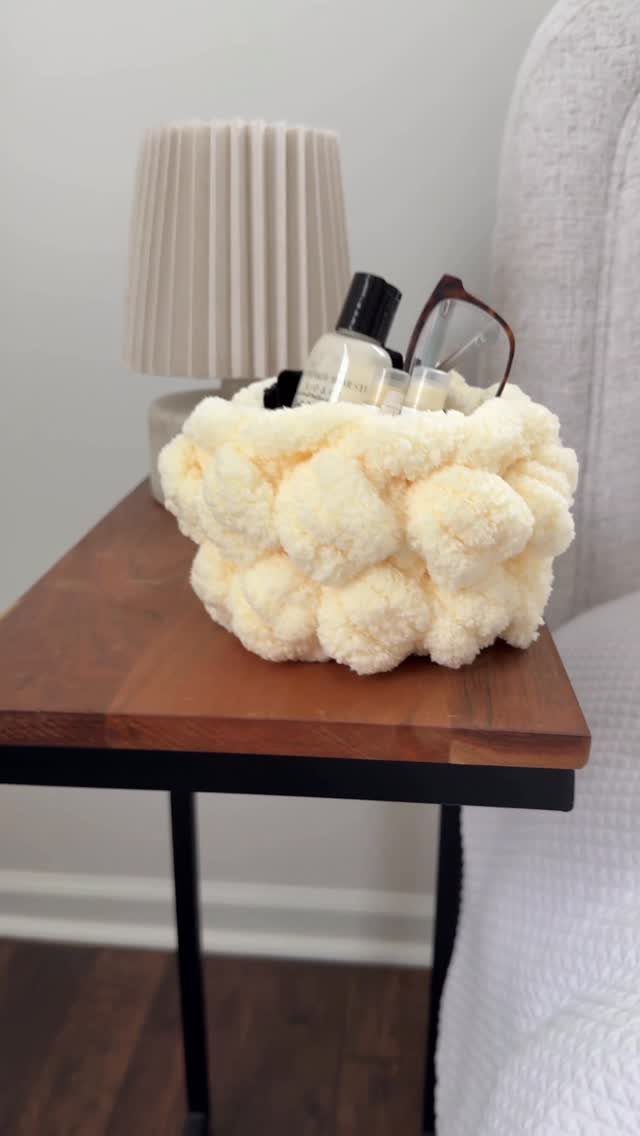
A catch-all basket corrals the sunglasses, lotions, and loose socks that migrate to every flat surface. I keep one on the nightstand and run it through the house before vacuuming.
A catch-all basket belongs where clutter lands first, not hidden in a closet where you forget it exists. Dump everything in during a quick pass, then sort once at the end.
A soft material keeps it from scratching furniture if you toss things in fast.
This trades a tidy look for a small pile that waits for your attention. It suits people who get distracted returning one item at a time.
3. Let Products Sit
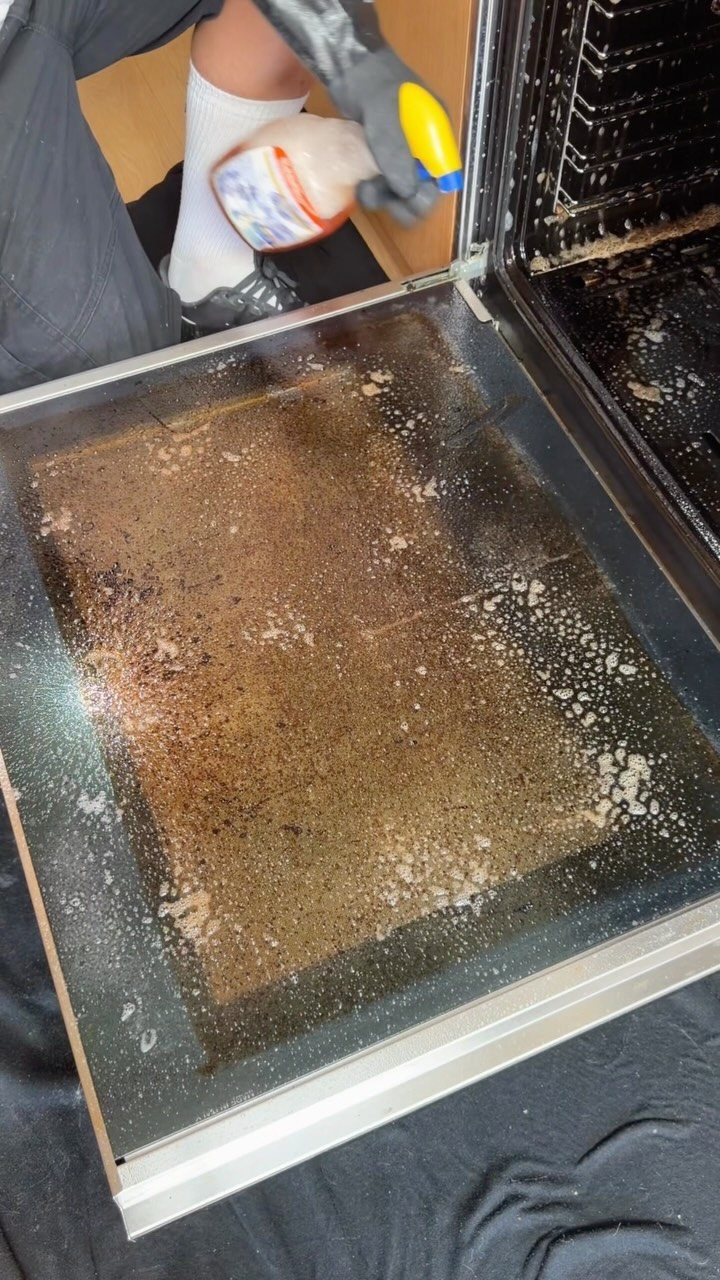
Spray the oven door, walk away, and let the cleaner eat at the grease while you wipe counters. I learned this after scrubbing a cold door and still leaving streaks.
Degreaser and toilet bowl cleaner both need dwell time to break down residue. Hit the worst spot first, circle back to it last.
This method costs you nothing extra and saves the elbow grease. It suits anyone who cleans in bursts between other tasks, not one marathon session.
4. Use a Lint Roller
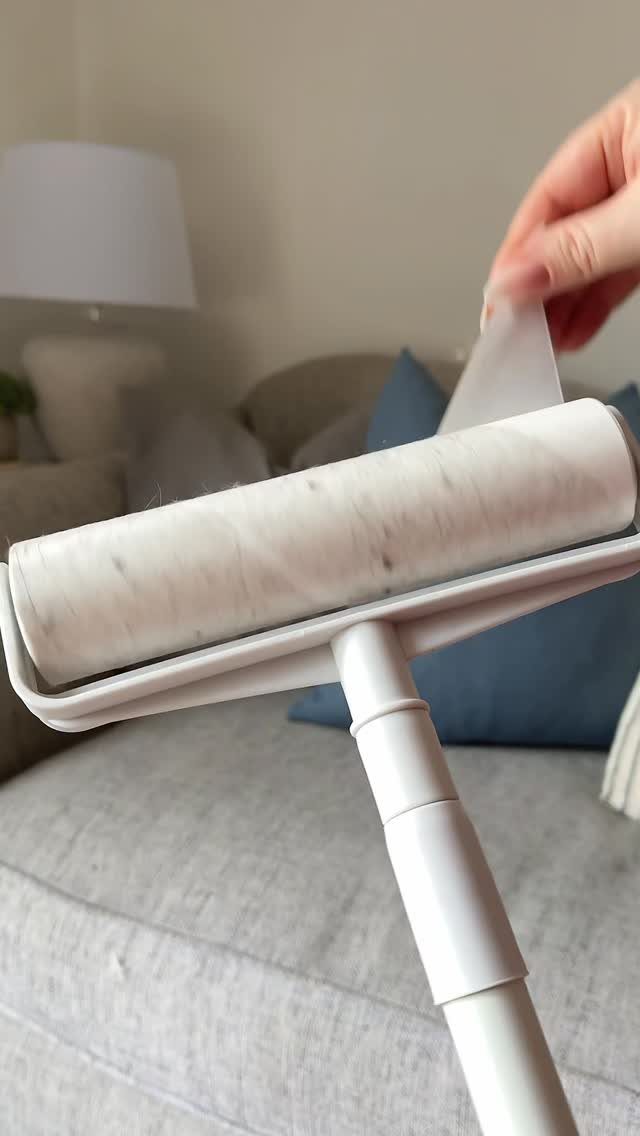
A lint roller pulls pet hair off upholstery faster than a vacuum hose wrestling cushions. One lint roller belongs in the laundry room for the sofa and another by the door for black pants.
A wide roller peels off a full sheet; the grey couch behind it looks lived-in, not showroom-ready. The sticky sheets fill fast with short-haired dogs and shed twice as quick with long fur.
Buy the wider size for furniture, not the pocket travel width.
This is a surface fix, not a deep clean. A lint roller suits the minutes before guests arrive, not spring cleaning day.
5. Use a Robotic Vacuum
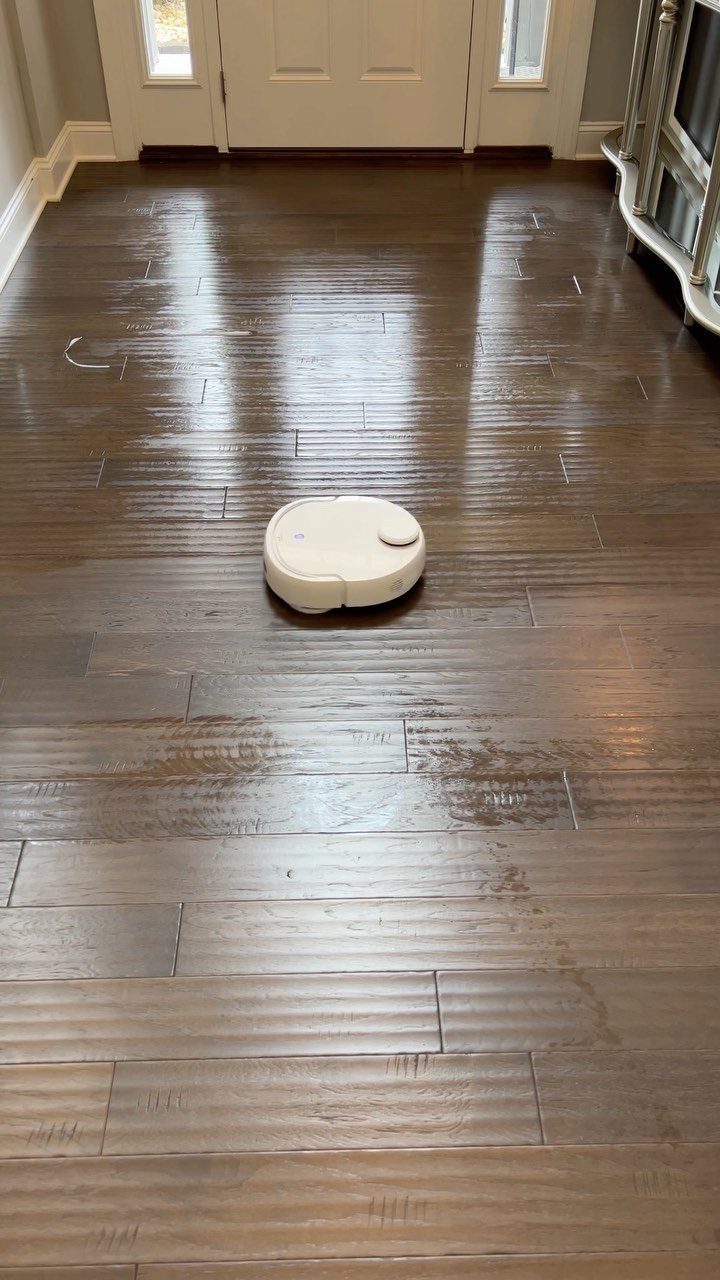
A robotic vacuum runs while you answer email or fold laundry on the other side of the house. I set mine to start after breakfast and find the floors done by coffee refill time.
A robotic vacuum works hardest on dark wood near an entry door, where tracked-in dirt shows worst. Empty the bin daily or it spreads clumps.
It will not lift what a stick vacuum gets, and it circles chair legs like a confused moth.
This trades thoroughness for zero attention. It suits hard floors and low-pile carpet, not shag rugs or houses where cords snake across every room.
6. Use a Spray Mop
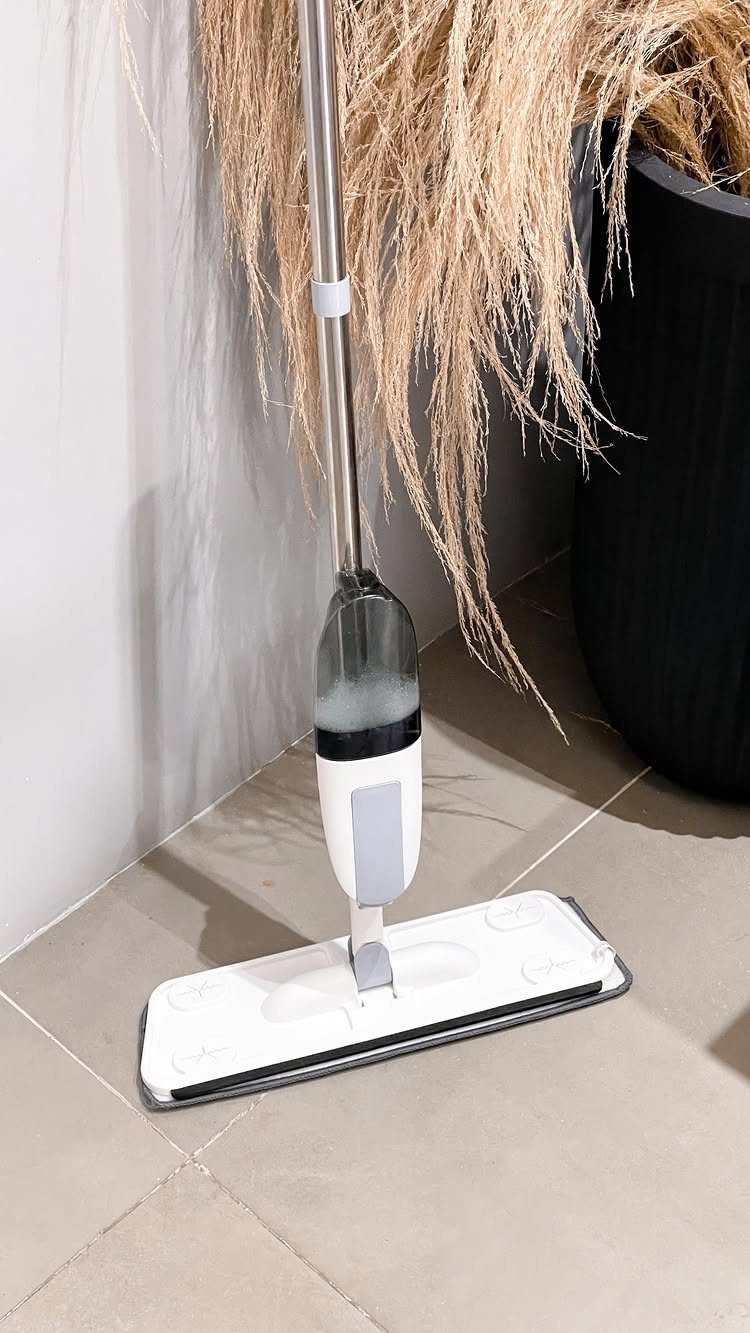
A spray mop skips the bucket, the wringing, and the sloshed water on baseboards. I bought one after mopping a galley kitchen with a string mop and blocking the fridge for twenty minutes.
The reservoir built into the handle keeps the pad flat on tile near a planter. Fill with cleaner, spray ahead of the pad, and the floor dries faster than with a soaked traditional mop.
The pads wash in the machine or replace when frayed.
This suits quick passes on sealed hard floors. It will not power through dried juice or muddy paw prints; those still need a scrub brush and patience.
Importance of Consistency
A cleaning routine only works if it actually happens. I set a timer for twenty minutes most mornings and stop when it rings, which keeps the task from eating the whole hour.
The kitchen counter and bathroom sink stay decent this way, and a full Saturday scrub becomes rare.
Small daily passes prevent the buildup that turns cleaning into a half-day project. A quick wipe of the stove after dinner takes forty seconds; dried-on grease from three meals needs spray, dwell time, and real effort.
If you share the space, handing one recurring task to each person keeps the load from sliding to whoever cracks first. One person empties the robot bin, another stocks the caddy.
Benefits of Decluttering
Clutter is what you clean around. I move the mail pile and the three half-empty water bottles before I touch a spray bottle, or I end up wiping the same spot twice.
The question I ask is whether an item earned its surface space. Sunglasses that live on the coffee table belong in a drawer or by the door.
The lotion with a pump that actually gets used stays.
Fewer objects means fewer decisions mid-wipe. A clear nightstand top dusts in ten seconds; one stacked with books, chargers, and a glass from Tuesday needs moving, remembering, and replacing.
The catch-all basket from the list handles the temporary stuff. What never leaves the flat surfaces is the real problem.
Time Management Tips
Timers turn cleaning into a bounded task instead of an open-ended one. I use the microwave clock or a phone alarm, and the hard stop keeps me from drifting into rearranging the pantry.
Overlapping jobs saves real minutes. While the toilet bowl cleaner sits, I wipe the mirror and sink.
The laundry spin cycle covers a quick vacuum of the hall. Pair a waiting task with an active one, not two jobs that both need your hands.
A schedule only matters if it fits the week you actually have. Weekday evenings work better than Saturday mornings if the weekend fills up fast.
The right time is the one that happens.
Frequently Asked Questions
How to clean up really fast?
Start with a catch-all basket to collect clutter room by room, then wipe counters with an all-purpose cleaner from a caddy.
Let sprays sit on tough spots while you move through other tasks, and save floors for last so you only sweep or mop once.
How do I clean my house in 2 hours?
Hit the rooms that matter most first and carry a caddy with your supplies. A catch-all basket corrals whatever belongs elsewhere so you are not running back and forth.
Start at one end and work your way through, tossing stray items into a basket as you go. Leave all the floors for last so you only vacuum or mop once.
Let products sit on worst spots first and return to them last.





