
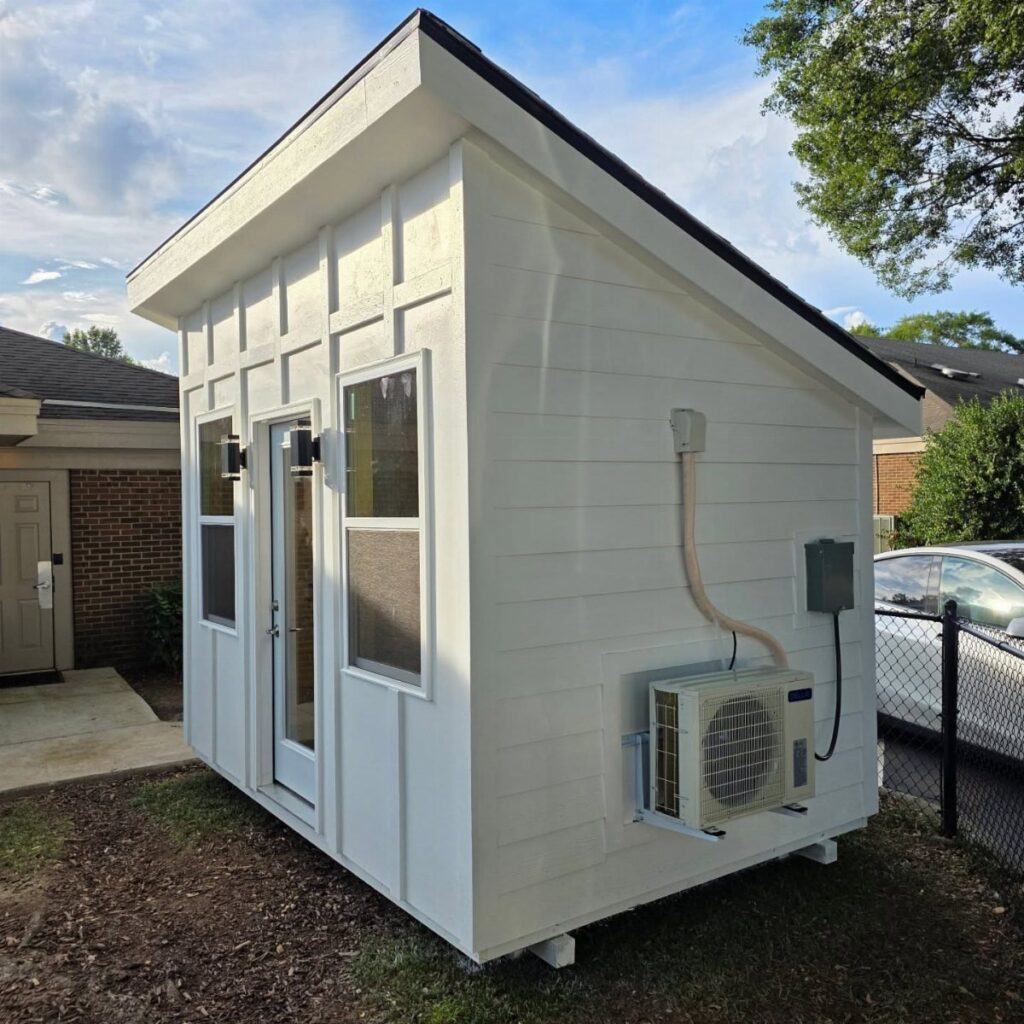
Foundation Options The deciding factor is whether you need the space for daily work or for weekends and evenings, because that frequency changes whether a mini-split HVAC unit pays back against a ceramic heater or becomes wasted upfront cost.
The same shell becomes a backyard office, an art studio, or a quiet reading room depending on which boundary you are trying to draw, and the door placement that catches morning sun rather than afternoon glare.
1. Year-round Usability
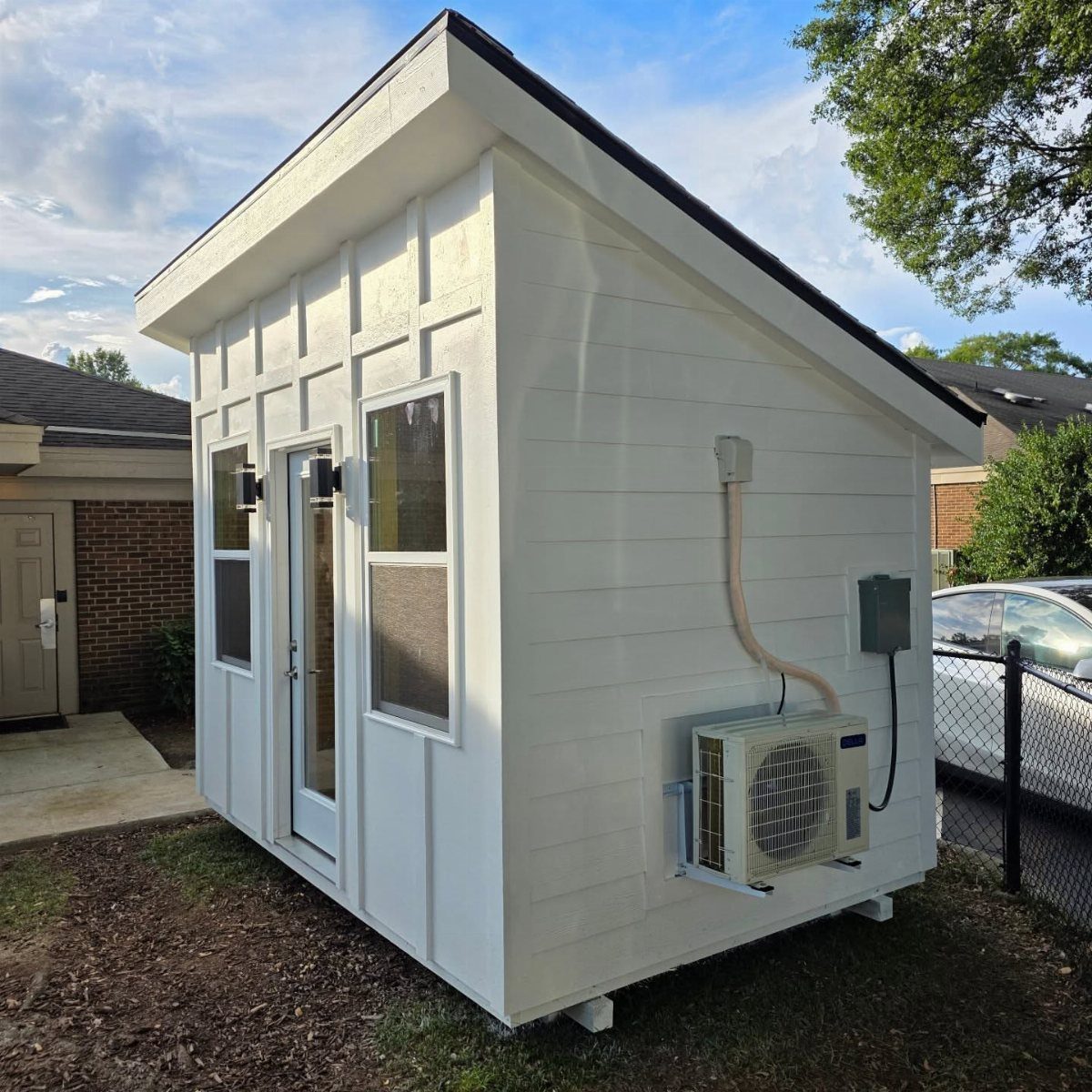
A mini-split HVAC unit mounted on the exterior wall turns a basic shed into something you can actually work in come January or July.
The compressor outside handles both heating and cooling through one refrigerant line set, so you are not storing a window AC unit in the garage come fall.
That R-value package meets demanding energy codes, but the real test is whether you will use the space enough to justify the upfront cost.
If you are in the shed daily, the mini-split pays back against space heaters that chew electricity and still leave your ankles cold. Weekend-only users might get by with a good ceramic heater and a through-wall unit for far less.
A clean white shell with a slanted roof and full glass door keeps the look simple; the compressor sits unobtrusive on the side wall where it does not fight the sight line from the house.
You will need an electrician for the 220V line unless you are comfortable with that work yourself. Annual heating costs depend on your local rates, but a well-insulated box this small runs surprisingly cheap to keep at room temperature.
2. Backyard Home Office
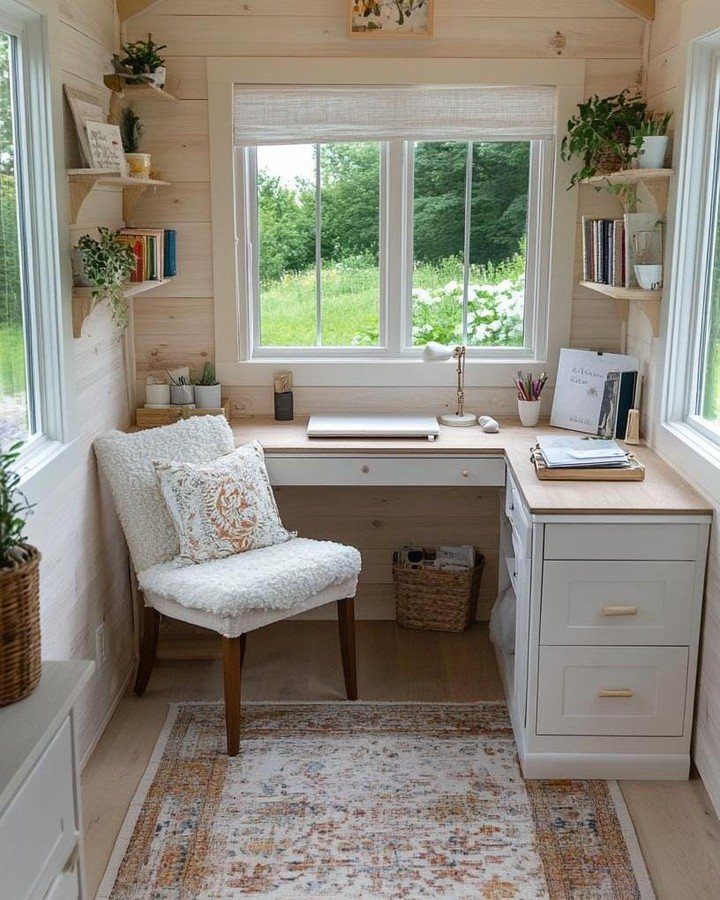
An L-shaped desk and a comfortable chair inside a wooden shell do the one thing a kitchen table cannot: hold a boundary between work hours and home life.
A separate structure means the laptop stays out there, and so does the mental load of being on call.
Insulation and wiring for electricity and internet are the two upgrades that separate a usable office from a storage shed with ambition.
You can buy prefab shells wired ready, or run conduit yourself if your house’s breaker panel has capacity and you are comfortable trenching cable.
Internet runs through buried Ethernet or a dedicated outdoor access point; mesh systems vary in whether they punch through walls reliably, so test before you commit to anything permanent.
What changes the answer is how your property sits. Flat ground near the house keeps trenching simple and cheap.
A slope, mature trees, or a code setback against the fence line can turn a weekend project into permit paperwork and engineered fill.
Check your municipality before you price anything; some places classify under-200-square-foot sheds as exempt, others want full plans stamped.
A view of green space through the windows does actual work for the person inside, giving the eye somewhere to rest between tasks. A view of anything growing beats a view of your own foundation wall.
Position the door and the largest window toward whatever your yard offers; the short wall can hold shelves and the printer.
3. Natural Lighting
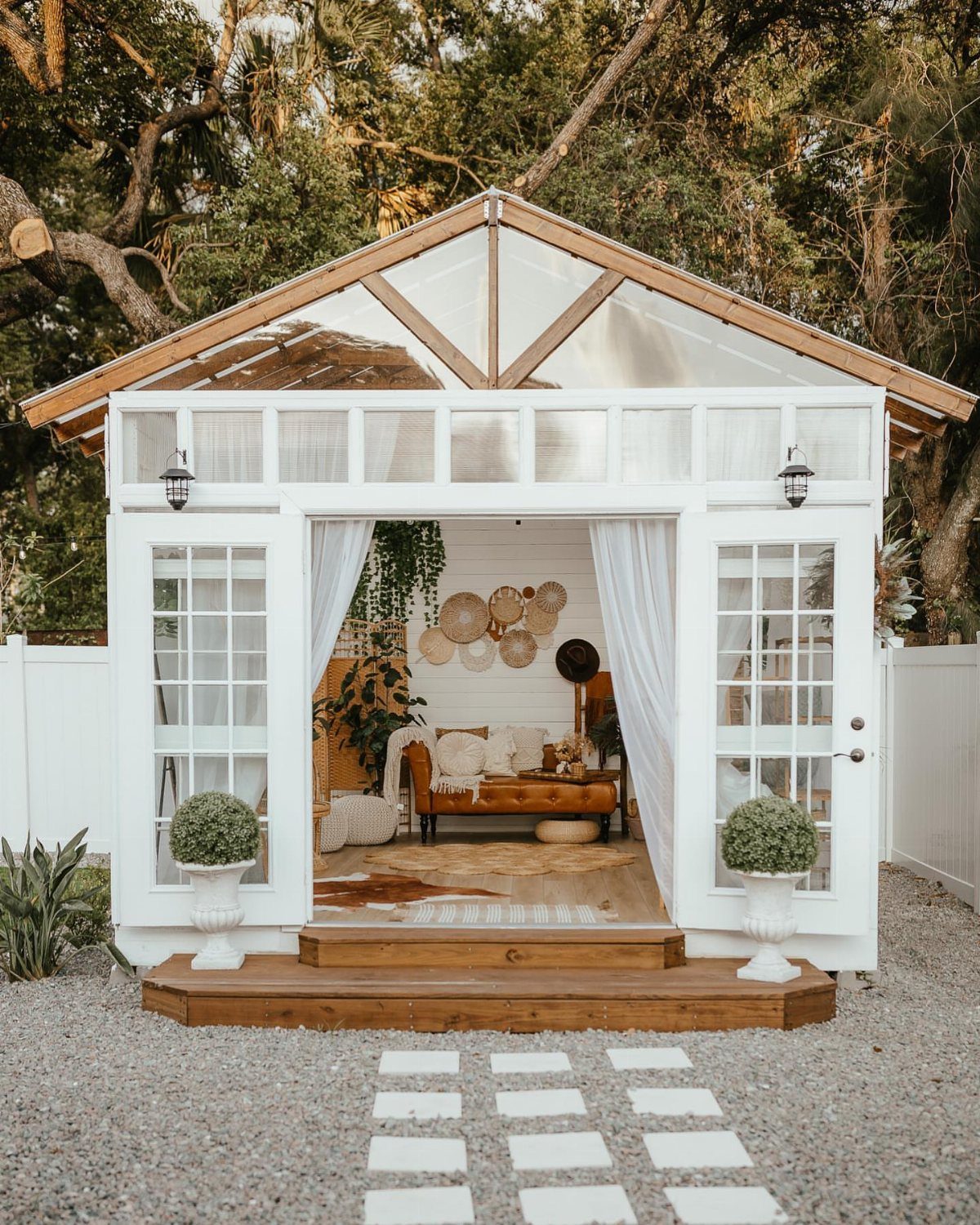
Glass French doors, a transom, and a clear gable peak turn this white shed into something that drinks light from three directions.
The bohemian seating inside sits bright without a lamp switched on, and that matters more than aesthetics if you are drawing, drafting, or just staring at a screen all day.
Natural light cuts the afternoon slump in ways overhead fixtures do not.
Skylights, large windows, or glass doors each serve different needs. A skylight bounces light deep into a narrow plan but can leak heat in summer; south-facing windows give consistent wash but need overhang or shade to block glare.
A gable peak fixed with glass, not operable, ventilates nothing; add a screened awning or keep a fan running through the hottest months.
The reader with a north-facing yard or heavy tree cover should think harder about where light enters. A single glass door on the shaded side leaves you running bulbs all day, which undoes the point.
Sometimes the answer is a smaller shed turned to catch morning sun, not a larger one parked where the house blocks everything after noon.
Layout follows the light. The desk goes where the window falls, not centered on the wall for symmetry.
An open floor lets the owner move the sofa for different uses; fixed built-ins would kill that flexibility.
4. Foundation Options
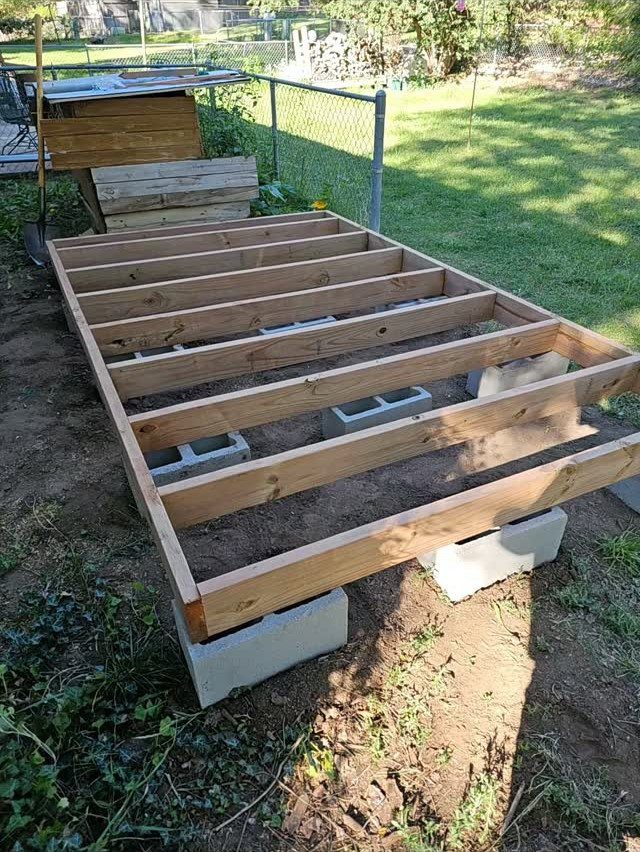
A floor frame sitting on concrete blocks is the cheapest path in, and for a portable shed you might move again, it is often enough.
Gravel under the blocks drains water and keeps the wood off mud; level with a laser or a long board and a bubble level, not by eye.
A concrete pad runs $2,000 contracted, based on one build breakdown that used a Tuff Shed shell on top.
That figure buys permanence and a flat surface for anything on casters, but it also locks the shed in place and adds permit complexity in most jurisdictions.
The same builder noted he could have saved by using gravel; the tradeoff was frost heave and a floor that flexed slightly underfoot.
Wooden skids let you drag the whole structure with a come-along if you ever need to relocate. They rot faster than blocks, though, unless you treat the ground contact and check annually.
I would pick skids for a rental property where the landlord might object to anything permanent, concrete for a first home where I planned to stay put.
5. Outdoor Retreat
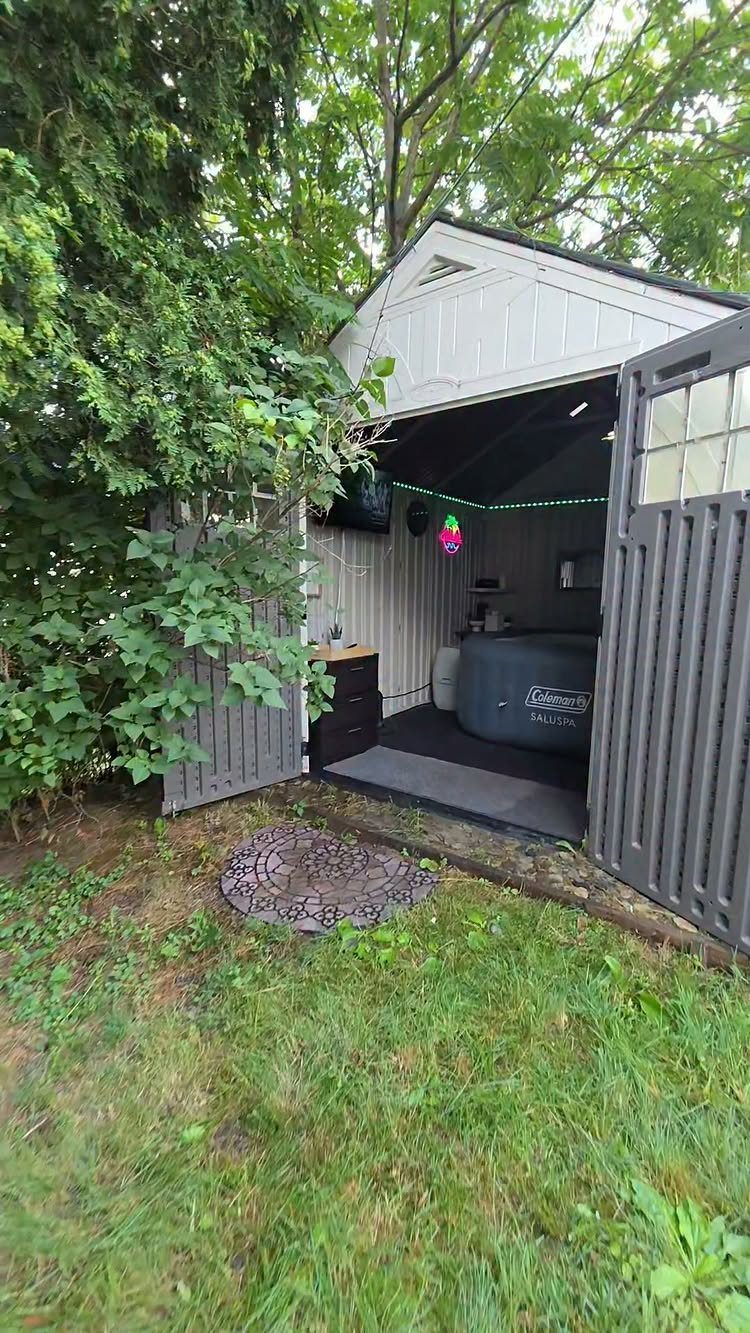
The Coleman SaluSpa runs on a standard outlet, needs no plumbing rough-in, and empties through a garden hose when the season ends. The shed keeps leaves out and extends usable months past what an open patio allows.
The neon sign and the mounted TV say this is leisure space first, workspace never. That distinction matters for anyone whose backyard office fantasy keeps getting interrupted by family traffic.
A retreat shed holds no work guilt; you are allowed to just sit in it.
Ventilation is the hidden cost. Hot tubs steam, and unvented wood traps moisture fast.
Open doors do real work for ventilation; add a powered vent near the peak or plan on leaving doors cracked during use. Yoga or reading need less humidity control but still want screens to keep mosquitoes out in July.
The reader with a spouse who works from home and kids in virtual school might need this more than another desk. The shed becomes the one room where no one asks you to fold laundry.
6. Art Studio
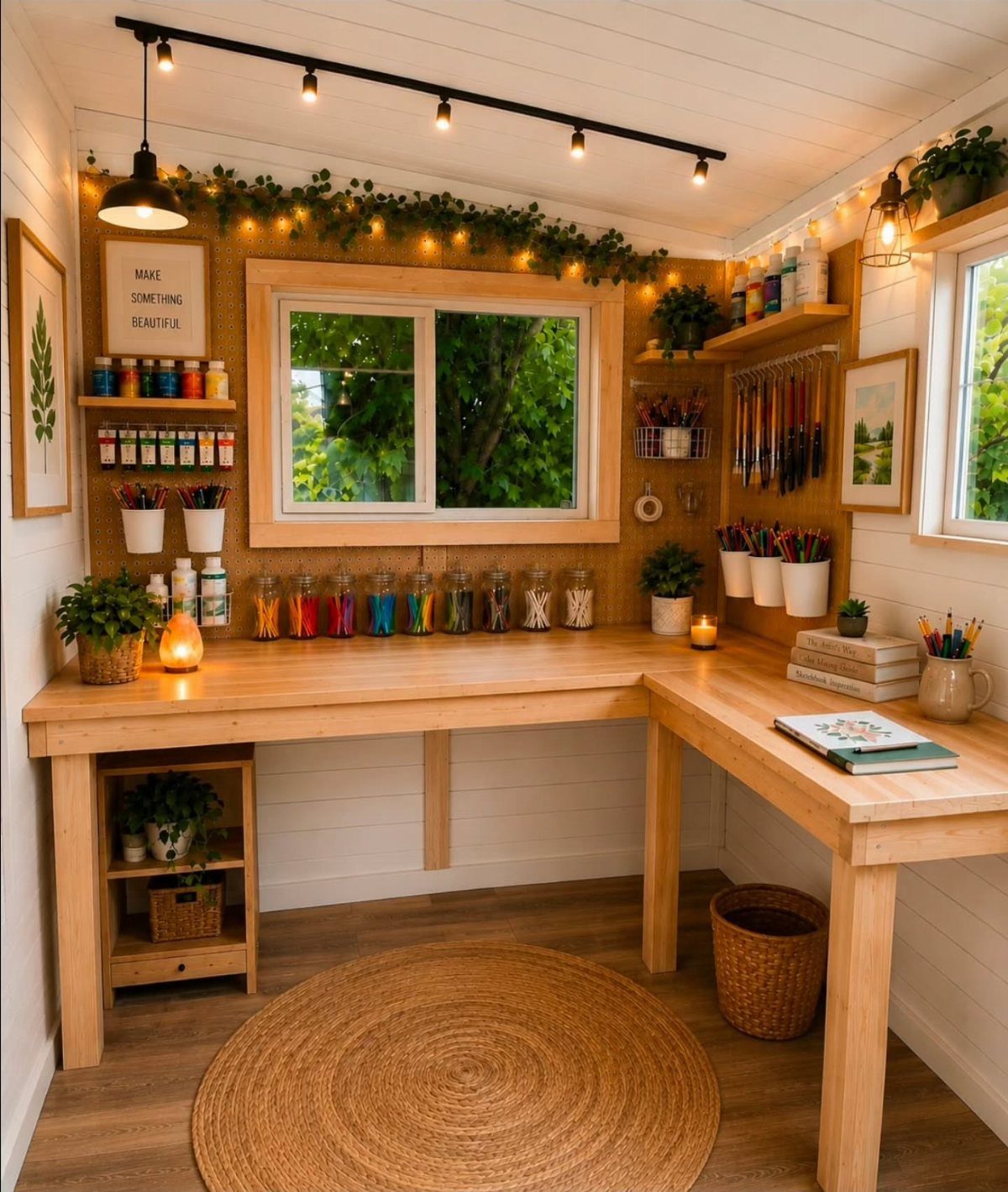
Pegboard walls, jars of markers, and an L-shaped desk give every tool its visible place, which matters when you are mid-project and the right brush is within reach versus buried in a drawer.
The small window looks out onto greenery because staring at a blank wall kills creative momentum faster than almost anything.
Digital artists need the same dedicated space as tactile ones; plan for cable runs, screen glare, and enough quiet for concentration.
A tablet setup needs the same desk space, the same good light, but adds cable management and a monitor arm if you are referencing photos while you draw.
Pegboard holds physical supplies well; a digital worker might swap much of that wall for acoustic panels if video calls run regularly.
Customizing the interior means thinking about your medium. Oil painters need ventilation and easy-to-wipe floors; watercolorists want north light and a water source.
The shed shell does not care which you are, but the finish inside should. Epoxy over plywood beats bare wood for anyone spilling mineral spirits or slopping rinse water.
String lights are ambiance, not task lighting; add a color-corrected LED fixture above the work surface before you trust anything to screen or mix accurately.
Artists are moving to sheds for dedicated space; the move only works if the space actually fits what you make.
Benefits of a Studio Shed
A standalone shed puts your workspace in the yard, not in the house. You are not fighting for a corner of the dining room or giving up a bedroom that a kid might need next year.
Prefab shells go up fast, often in a day, with no demolition inside your home. The house stays intact, the dust stays outside, and you are not living around contractors for a month.
A 10×12-foot box fits most single-person work; a 20×20-foot shell handles client visits or big project spread.
A garage that still stores bikes, tools, or a second refrigerator makes a studio shed the smarter route for office space. The shed adds space without subtracting what you already have.
Cost Factors
The shell is only part of the total.
Design Considerations
Wall-mounted shelves, drawers tucked under the desk, or a small cabinet built to fit the odd corner keep the actual workspace clear.
Frequently Asked Questions
Can I use my shed as an office?
Yes, and the practical difference comes down to insulation, wiring, and internet. A basic shed with those three upgrades handles a laptop and video calls year-round.
Without them, you are working in a storage box that gets too hot, too cold, and too disconnected to actually use.
How much does the Costco studio shed cost?
Costco does not list studio shed pricing online; you will need to call your local warehouse or visit during a roadshow event for current numbers.





