
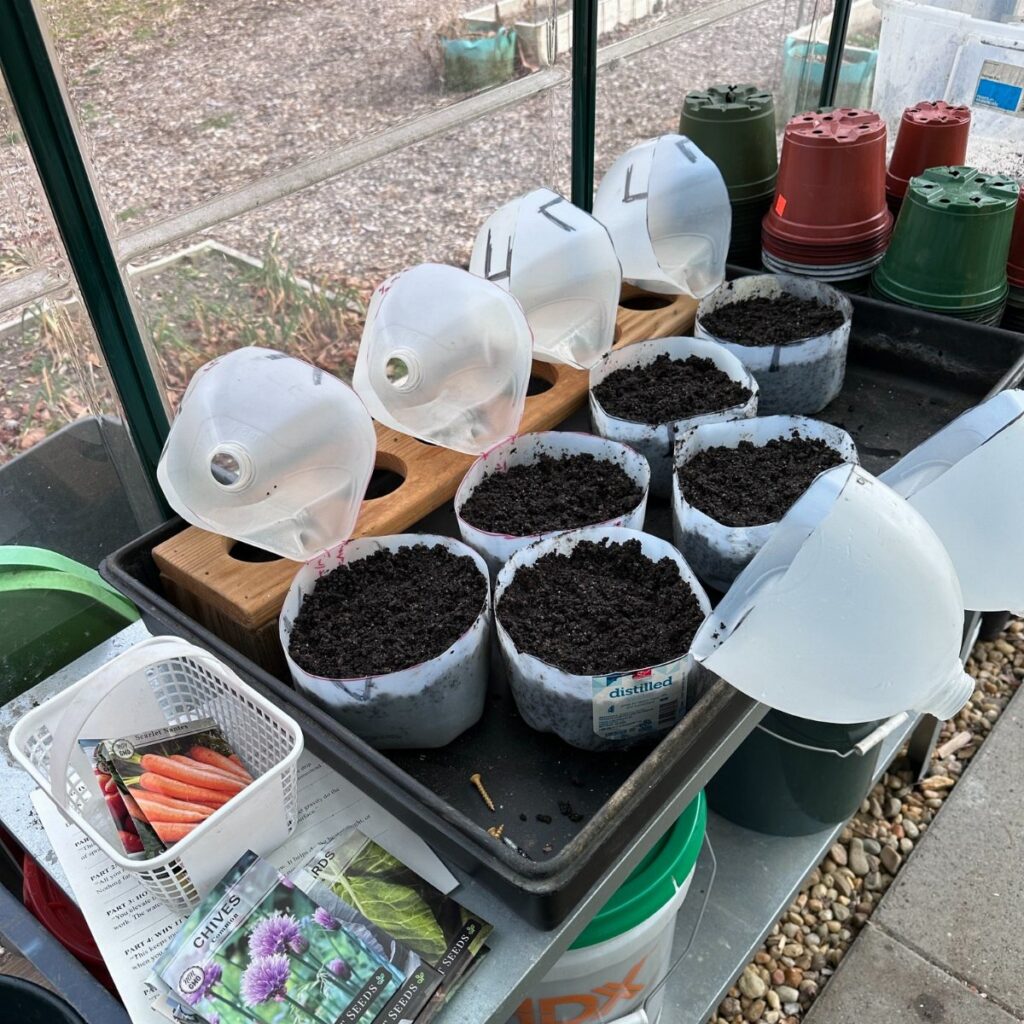
Winter sowing containers run from free milk jugs and soda bottles to storage bins that take two hands to lift once they’re filled.
The right choice depends on whether you need depth for carrots, headroom for tall seedlings, or just enough space to test a handful of seeds.
A milk jug hinge flips back without the fight I once had with narrow crown staples under old flooring.
1. Milk Jugs
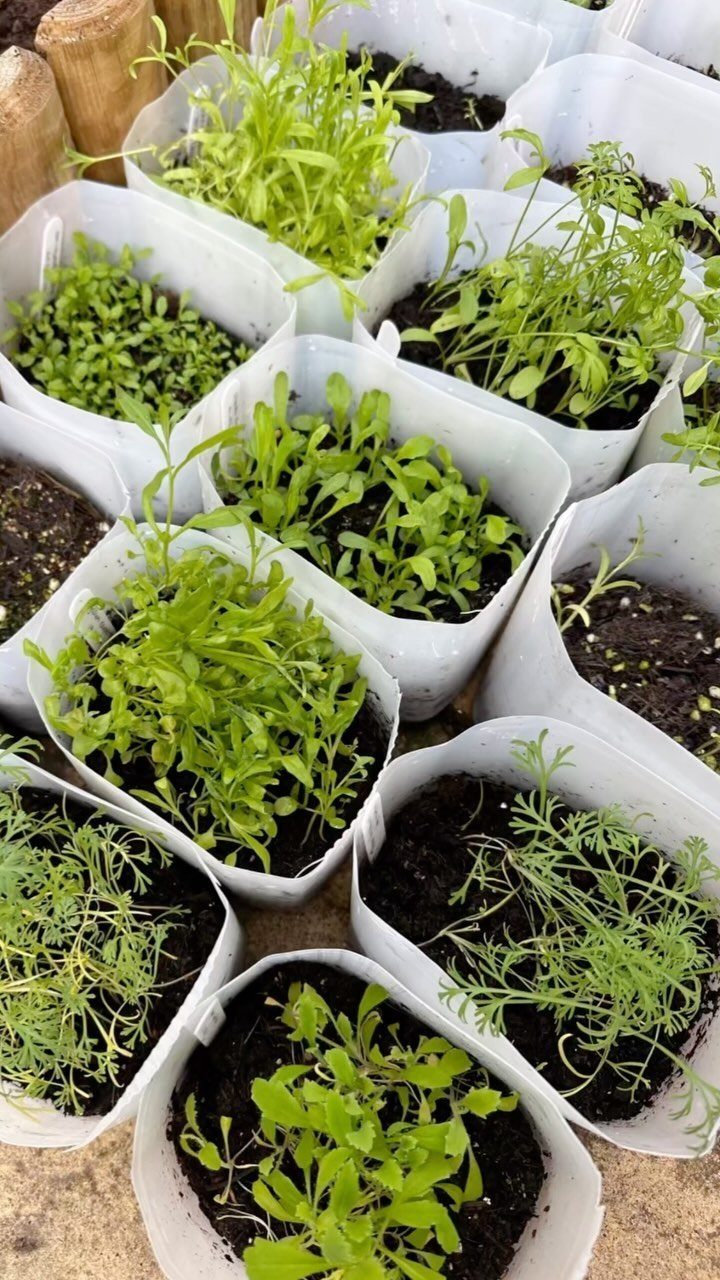
The hinged top on a cut milk jug flips back like a clamshell, which makes watering and checking on seedlings easier than containers you have to untape each time.
Most milk jugs are translucent rather than crystal clear, and that diffused light has saved my seedlings on sudden warm days when direct sun through clear plastic would have cooked them.
The height inside gives plants room to stretch before they bump the lid; shorter containers need opening earlier.
A hinge at the back lets you fold the top open like a clamshell without losing the piece. Poke drainage holes, fill with soil, plant, then tape the cut seam shut.
A label on the jug saves the mystery of forgetting what went in where.
This is the one I’d pick for someone starting their first batch of winter-sown seeds.
2. Plastic Containers
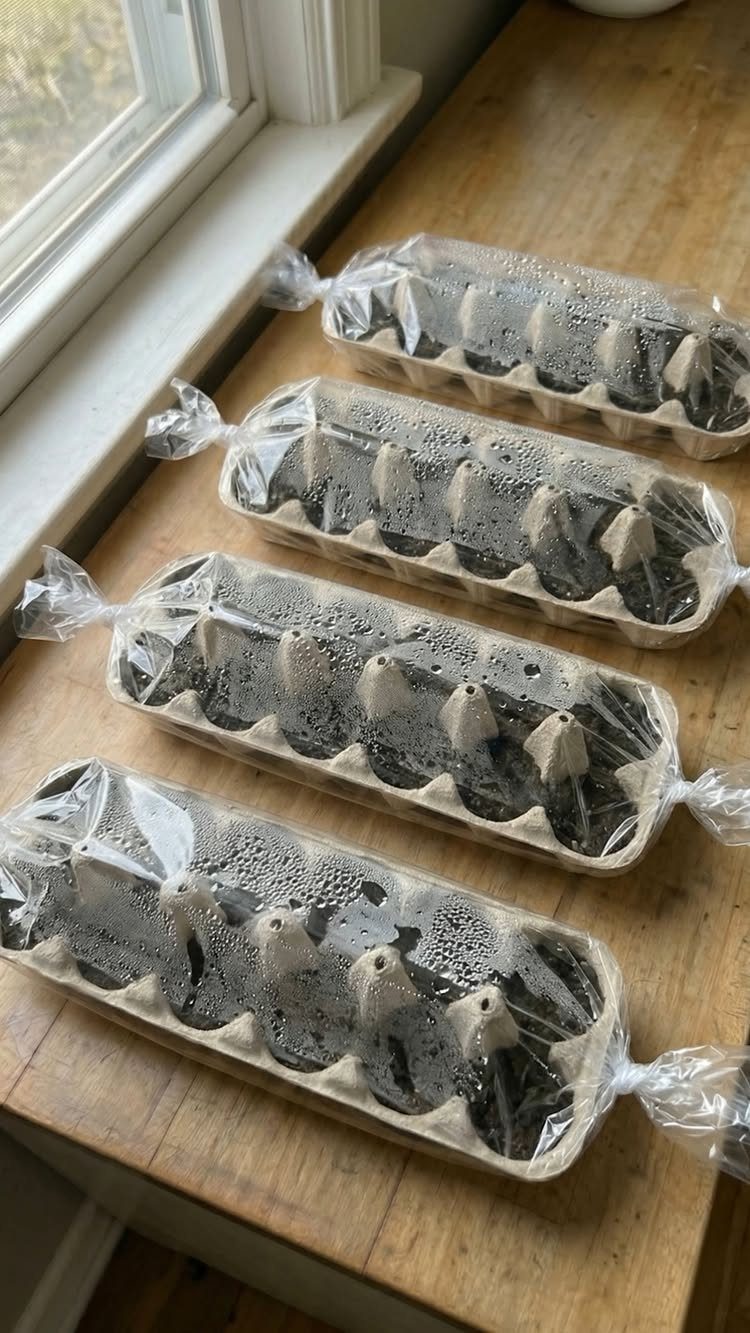
Clear clamshells from salad or berry packs work for tiny seeds like lettuce that move to the garden fast, before their roots tangle.
The seedlings will outgrow these quickly, so this is a stopgap method rather than a full-season home. I’d use them when I’ve run out of milk jugs or when I’m starting something that gets planted out in weeks, not months.
Food-only containers; skip anything that held soap or cleaner. The clear plastic matters more than the shape.
A garden marker or paint pen beats a standard permanent marker for labels, which fade to illegible in outdoor weather.
3. Soda Bottles
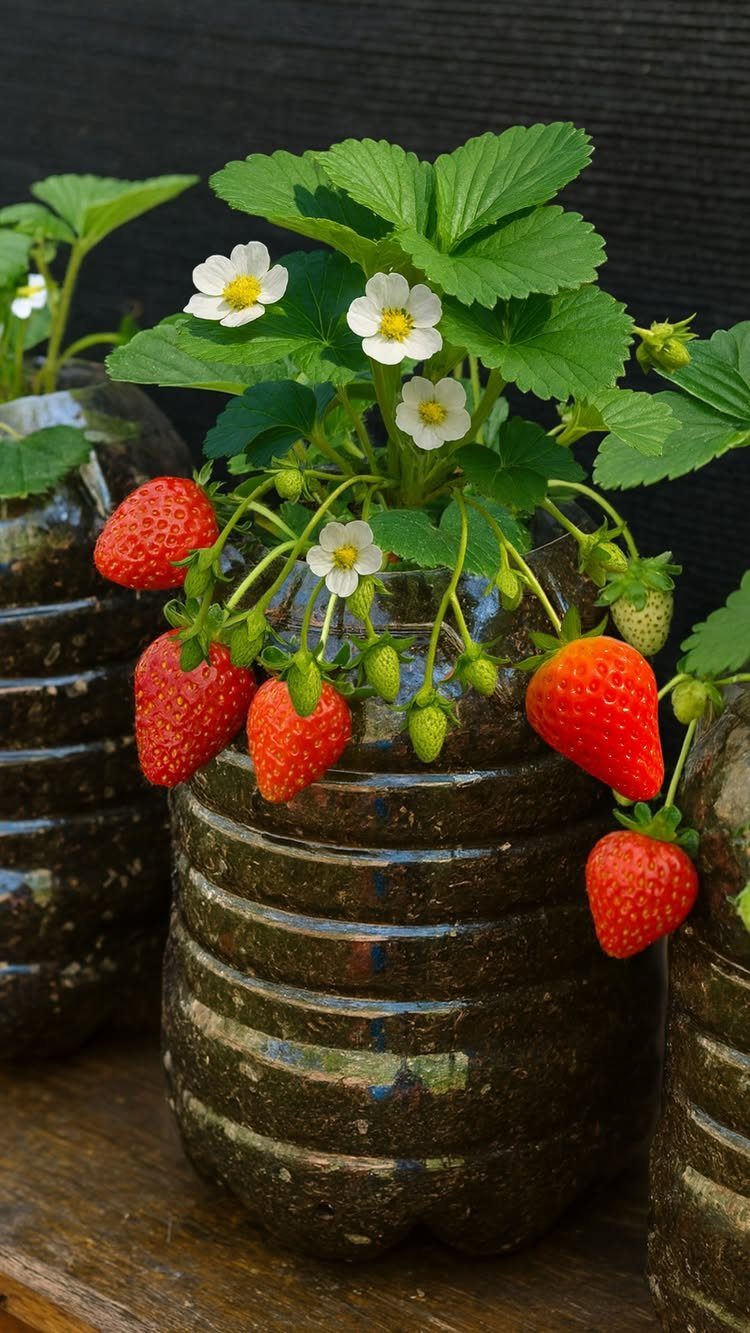
The curved waist on a soda bottle locks the top half in place when you flip it over as a lid, no tape needed.
Cut in half horizontally, poke drainage holes through the bottom indentations, fill with soil, and press the top back on.
The bottle’s shape lines up in rows like a modular tray, and the narrow base suits carrots or other roots that want depth without width.
One maker groups several 20 oz bottles on a tray, taping around the outside so wind doesn’t scatter them across the yard.
Once seedlings break through, the cap comes off to let more air move through. Ribbed plastic holds up better in wind than the thin stuff milk jugs are made of.
4. Storage Bins
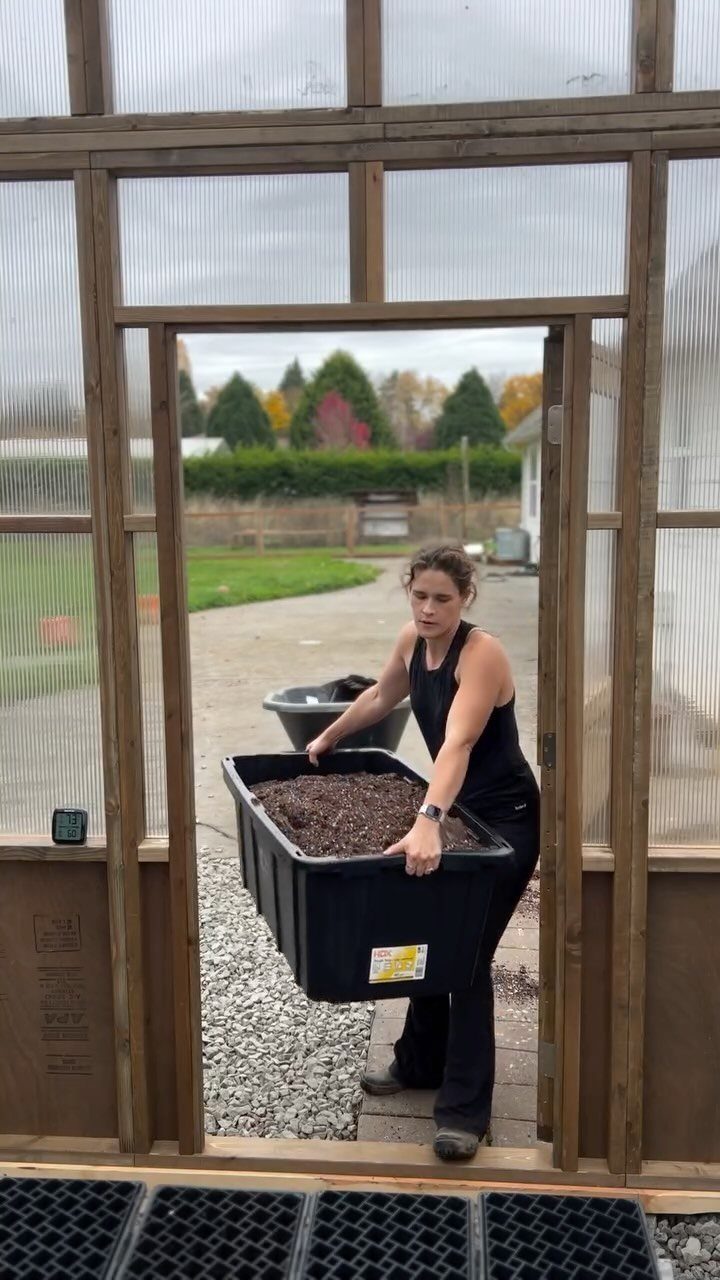
A bin this size holds enough soil for a whole season’s starts, or acts as a cold frame sheltering smaller pots inside instead.
Drainage holes in the bottom need to be large enough that water runs out fast; smaller holes higher up keep air moving without drying the soil. The lid snaps on for a greenhouse effect.
The weight is the tradeoff: filled with soil, a bin this size is a two-hand carry, and moving it means committing to that spot or using the pot-within-pot method.
I’d use a bin when I want mass quantities of one thing, or when I’m protecting a grid of Solo cups with different varieties in each.
Black plastic pulls more heat than clear, which can hurry germination along in early spring but risks cooking seeds if a warm spell hits.
5. Bakery Cake Domes
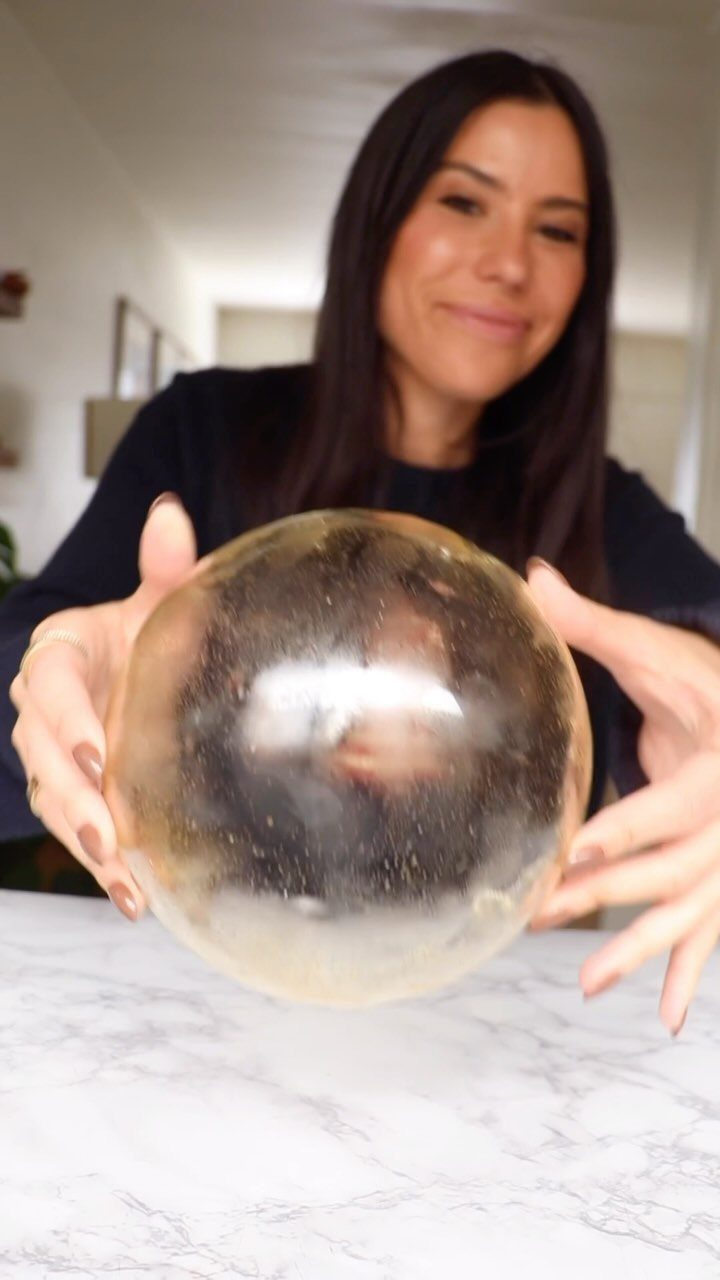
The spherical dome has the headroom for tall seedlings, and the flat base can be sectioned into wedges for several varieties in one footprint.
Most grocery store cakes come in these domes, so the container costs the memory of a birthday rather than money. The size works well for sowing in batches without ending up with a whole row of individual jugs.
For sowing, I’d skip the heat and just add soil, seeds, and a label under the dome where I won’t forget it.
6. Ziplock Bags
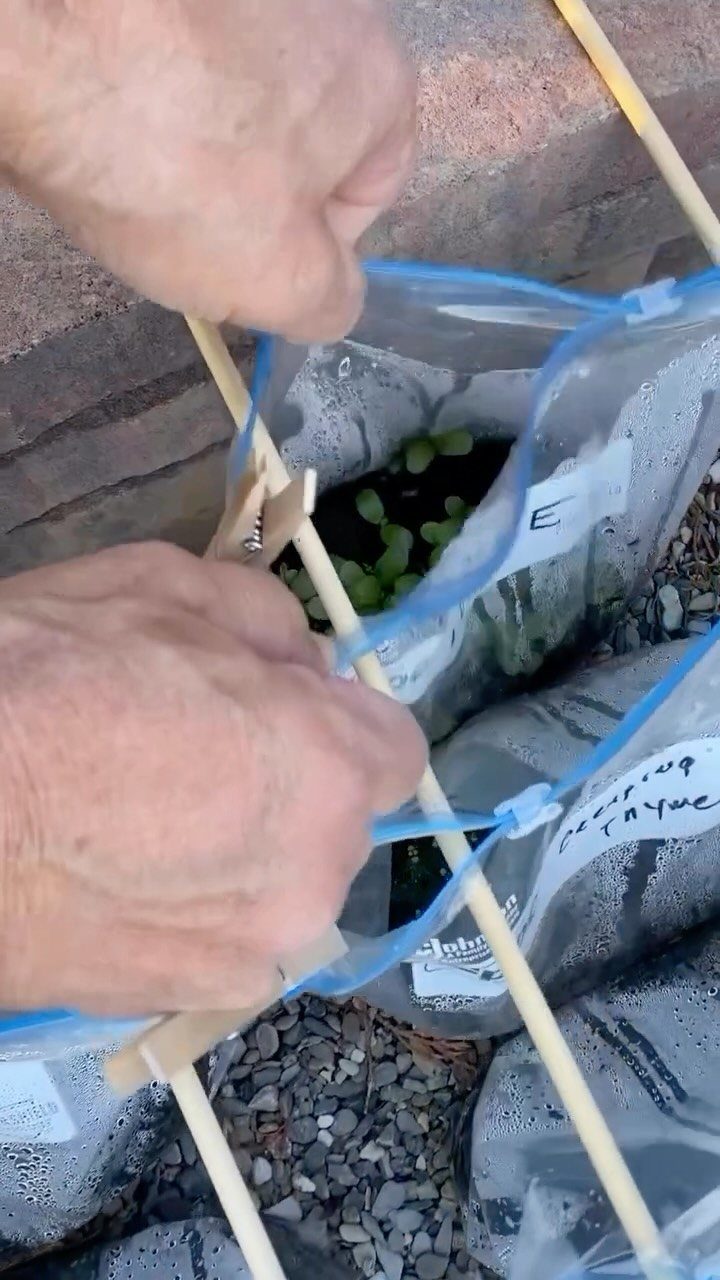
A bag this size lies flat or hangs from a stick, which helps when ground space is a patio railing or a narrow strip by the driveway.
Cut holes for drainage, fill with a shallow layer of soil, and leave the seal slightly open so air moves. Arugula, spinach, and violas all do fine in the tight space.
The translucency lets light through without the rigid structure of bottles or jugs, which means they flop and need propping.
I’d reach for these when I’m out of everything else, or when I want to test a small batch of something new without committing a whole jug.
Used bags get a rinse, a few holes, and go back to work; no need to buy new. Wooden stakes or skewers slipped inside hold the bags upright so you can group them close together.
Common Mistakes in Winter Sowing
Non-draining containers will rot your seeds before they sprout. I drill holes in the bottom of anything I use, and smaller holes near the top so air can move through without the soil drying out.
Old seeds are a gamble I’d skip. Germination drops with age, and winter sowing already asks seeds to wait through cold months.
I buy fresh seed or use what I saved this year.
Forgetting labels is the mistake I make most often. Exterior labels fade; interior ones stay readable.
I write the name and date inside the container where condensation won’t wash it away.
Sowing too thickly wastes seed and weakens plants. Crowded seedlings fight for light and tangle their roots.
I’d rather start a few extras in a second jug than thin a crowded one.
Open containers invite weeds, squirrels, and uneven moisture. I seal mine with tape or the container’s own lid until seedlings need air.
Timing for Winter Sowing
I start between December and February, depending on how long my winters run. The seeds need cold weeks to break dormancy, so they must go out early enough to catch the chill.
The last frost date in your area sets the back end of the window. Count back from your last expected frost to when those seedlings would be ready to move outside, and start your containers from there.
In zones with late freezes, February sowing still gives plants time to harden off naturally.
Best Plants for Winter Sowing
Cold-hardy perennials are my first choice for winter sowing. They expect cold and germinate when spring arrives without fuss.
Hardy annuals work too. Pansies and violas shrug off frost and bloom weeks ahead of spring-sown plants.
I’d add snapdragons if I want early cutting flowers.
For vegetables, broccoli and kale handle the cold well. Lettuce germinates fast in clamshells, though it wants moving soon.
Root crops like carrots suit soda bottles, where depth matters more than width.
I’d skip anything tender. Tomatoes, peppers, and basil need heat that winter sowing doesn’t give.
Start those indoors under lights, or direct-sow once soil warms.
Some seeds need two rounds of cold before they’ll sprout, so if nothing shows by early spring, the jug might just need more time. Some native perennials ask for that second winter before they’ll sprout.
Winter seed sowing is a fantastic way to take advantage of winter’s chilly temperatures to help germinate seeds that require cold stratification.
Frequently Asked Questions
What are the common mistakes in winter sowing?
The biggest one is using containers without drainage holes, which leaves seeds sitting in water and rotting instead of germinating.
Forgetting to label is another; a marker on the outside fades, so I put a second label inside where weather can’t reach it.
Germination drops fast after a season or two in storage, so anything past its second year is a gamble I don’t bother with.
Fresh seed or my own saved seed from that year is the only kind I trust for winter sowing; anything older and the germination rate falls off a cliff.
Can I winter sow seeds in ziplock bags?
A gallon ziplock bag works fine when the milk jugs run out or I want to test five seeds instead of fifty.
Cut holes for drainage, leave the seal partly open for air, and slip a wooden skewer inside to keep the bag upright.
What are some ideas for winter sowing containers?
Milk jugs are my first pick for beginners because the hinged top flips open like a clamshell for easy watering. Bakery cake domes give tall seedlings headroom, and ziplock bags fit narrow spaces where nothing else will sit flat.





