
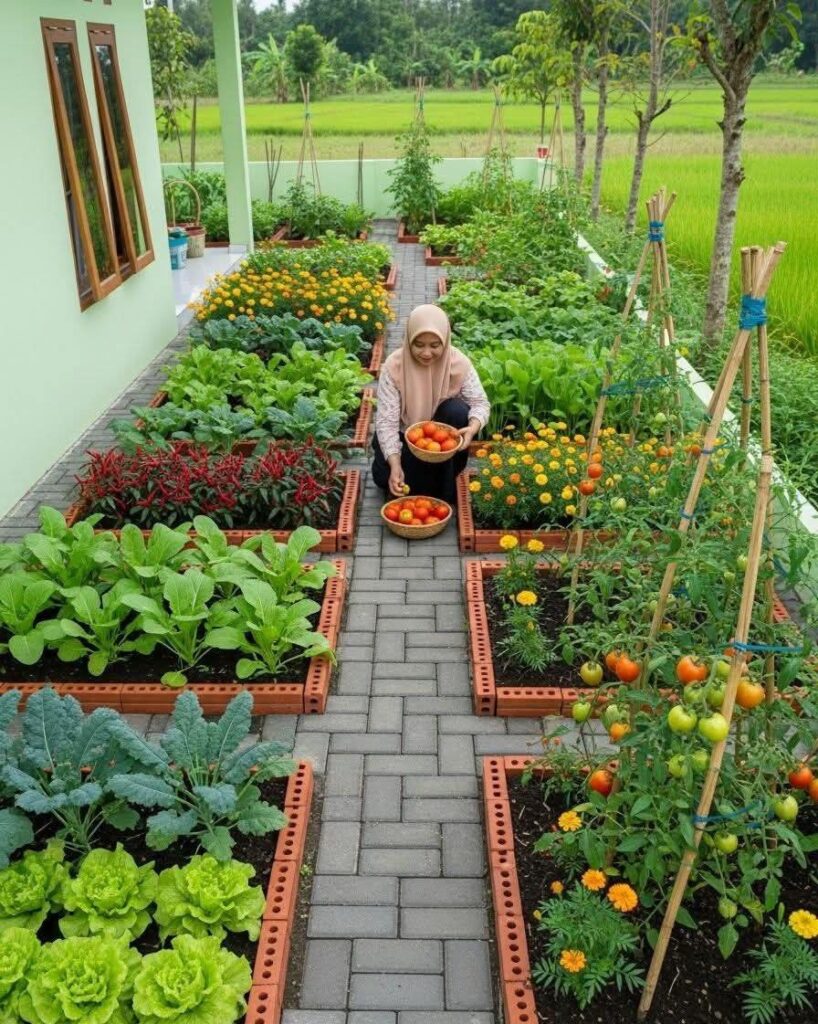
These ideas range from a weekend of stacking blocks for a vegetable bed to an afternoon of hanging a single wooden rod for an interior garden, so the real choice is how much time you want to spend building versus sitting in what you built.
Concrete block beds warm the soil early, which is why my tomatoes always get a head start on the neighbors’ plants.
1. Vegetable Garden
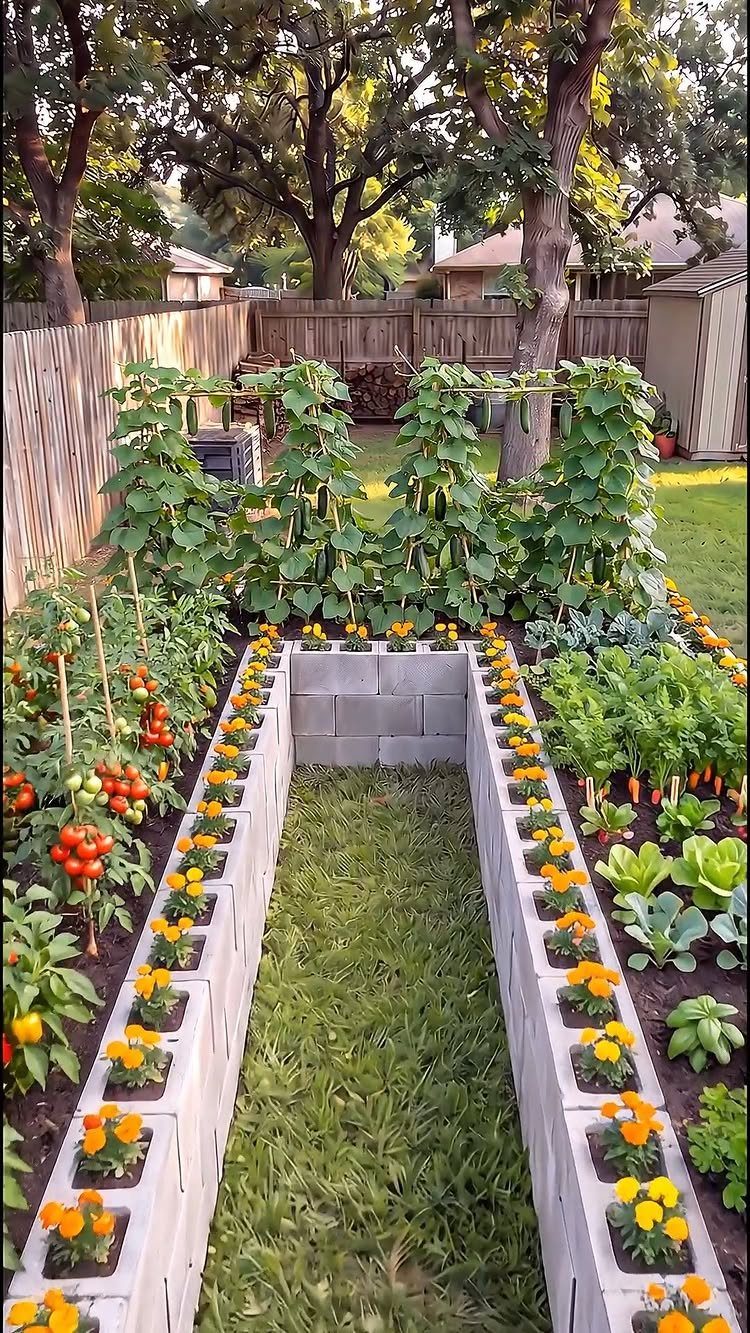
A vegetable garden built from concrete block beds gives you tomatoes and greens a few steps from your kitchen door.
The blocks hold heat, which early-season tomatoes love, and the narrow cells keep paths weed-free if you fill them with gravel or soil for marigolds.
Start with tomatoes and summer squash; they forgive uneven watering and still produce. Cucumbers on a trellis at the back save ground space and keep fruit clean.
Galvanized edging between bed and lawn stops grass from invading and gives the whole plot a sharp line that looks intentional even when the tomatoes run wild.
This suits renters who can take the blocks with them, or first-home owners building soil over grass they cannot dig out yet.
It will not replace your grocery runs; plan it as a supplement you learn by doing, not a subsistence farm.
2. Interior Garden
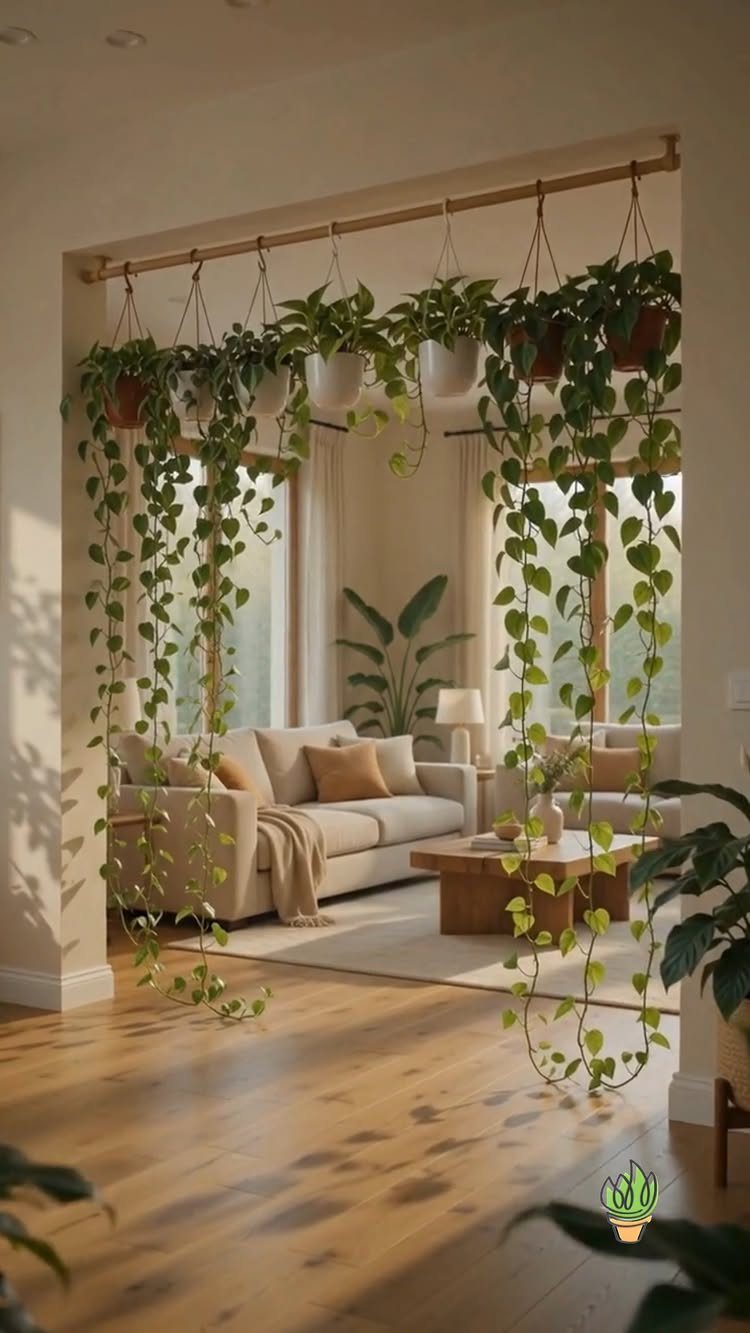
A wooden rod hung across a window with pothos or philodendron trained down its length turns sunlight into a living curtain.
One rod, several pots, and vines long enough to soften the glass without blocking it entirely are all it takes.
Snake plants and rubber plants sit on the floor beneath, handling the lower light.
A small herb cluster on the sill or a nearby shelf lets you test whether you will actually water something regularly; basil and mint grow fast enough to reward or shame you quickly.
This works for apartments with no yard, or for anyone who wants green without mud on their boots. The rod installs with basic ceiling hooks; weight it properly, because wet soil is heavy.
If the plants crisp up, you have learned something before committing to outdoor beds.
3. Sensory Garden
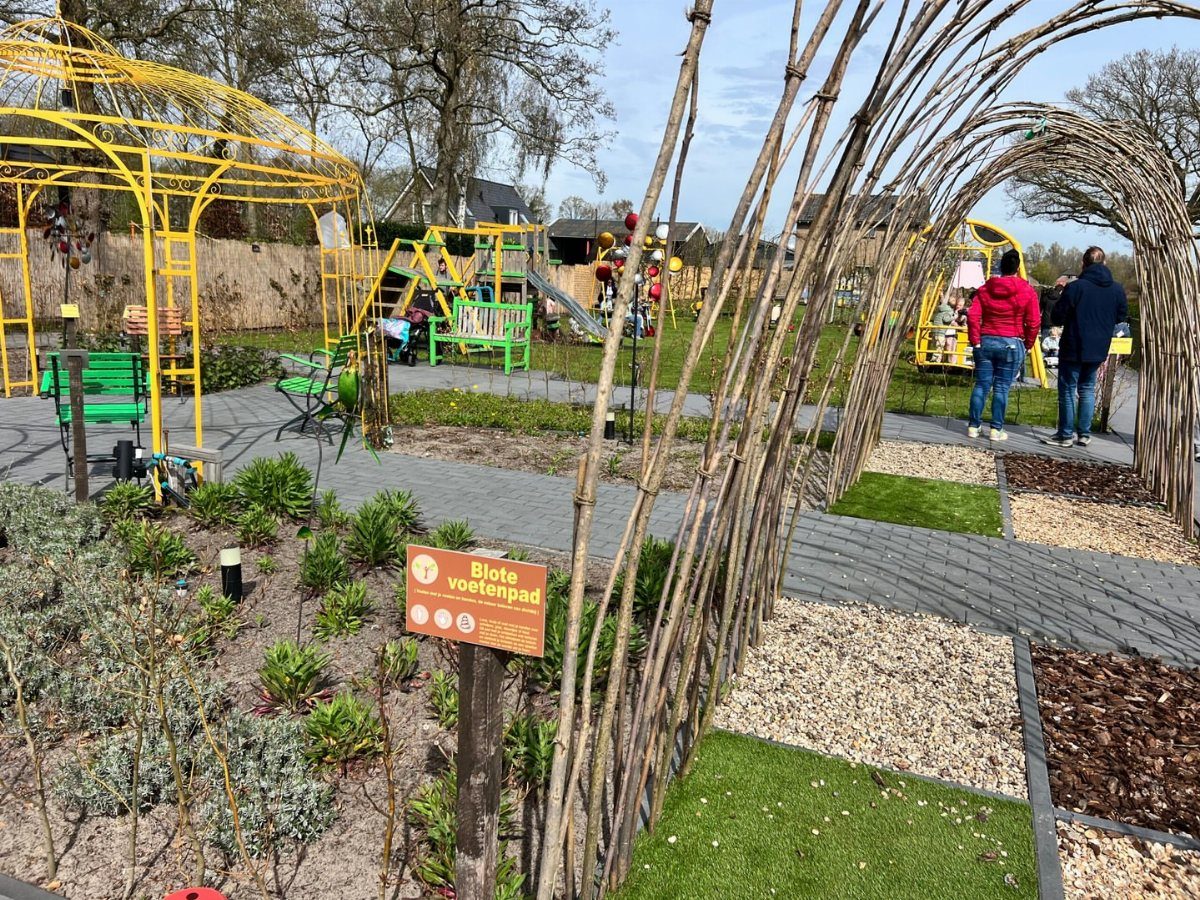
A sensory garden builds paths you walk barefoot, switching from gravel to grass to wood chips underfoot. A bare-foot path works in any language; the idea travels without the sign.
Fountains or tall grasses that rustle give the ears something, fragrant blooms and herbs handle smell and taste, and bright flowers or painted structures add color. Avoid anything thorny or toxic; this is a garden for contact, not caution.
It suits small children, anyone working with sensory processing, or adults who want mindfulness without an app. You can weave these elements into an existing vegetable or flower bed without dedicating the whole yard.
Variety in texture and sound matters more than acreage.
4. Relaxing Garden
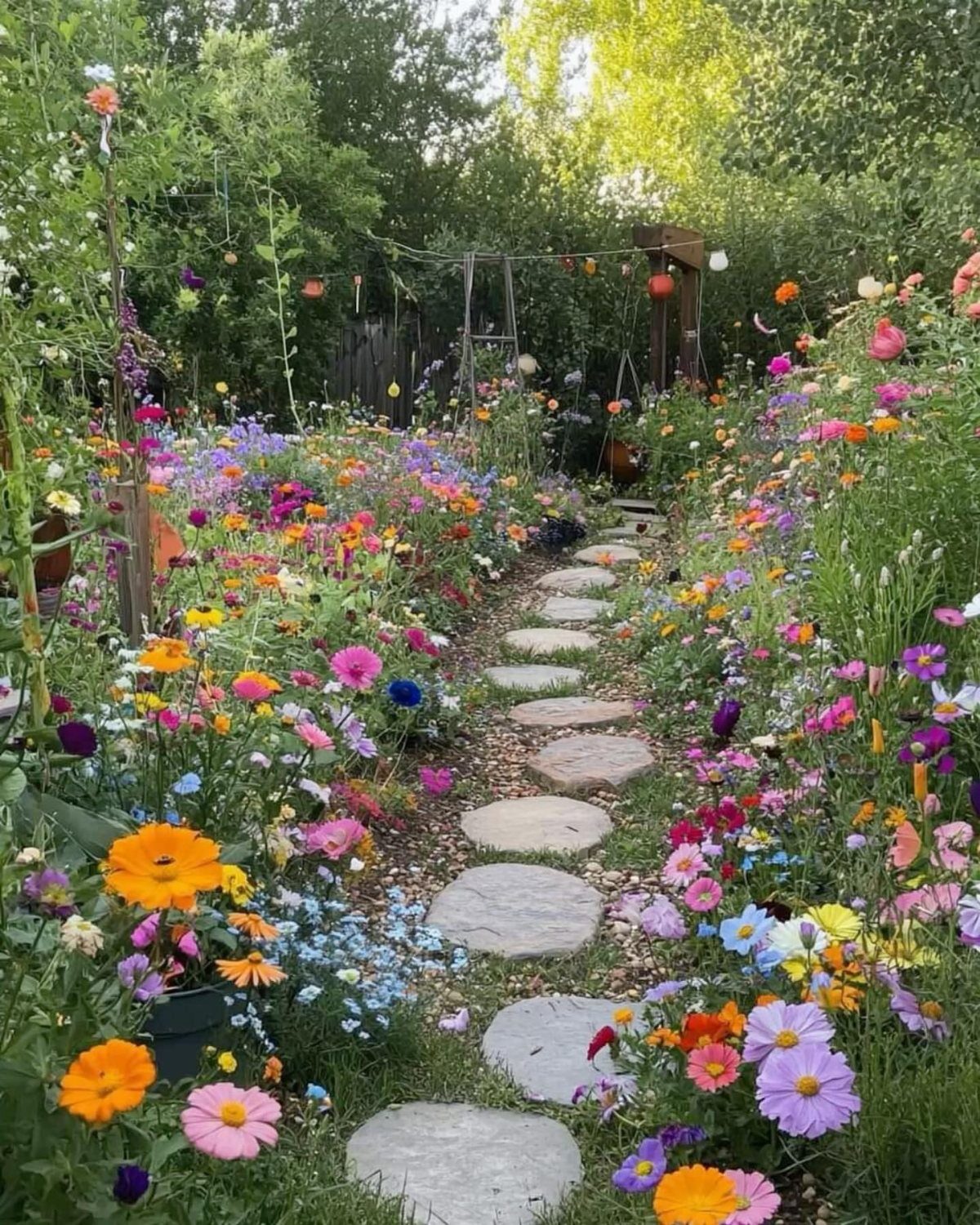
Wildflowers packed tight along a stone path give you a garden that looks untamed but still leads somewhere. Stepping stones keep your feet dry and your clothes free of pollen; cosmos and daisies do not need deadheading to stay cheerful.
A hammock strung between two trees, or a bench placed to catch evening light, turns the walk into a destination.
Water features help if you have the slope for a small recirculating fountain; otherwise, a bird bath with a dripper brings sound and movement. String lights in the branches stretch usable hours past sunset.
This trades some produce for pure atmosphere. It costs less in soil amendment than a vegetable plot, more in patience while perennials establish.
For a weekend project, sow annual wildflower mix and add the permanent seating later.
5. Garden Party Tablescape
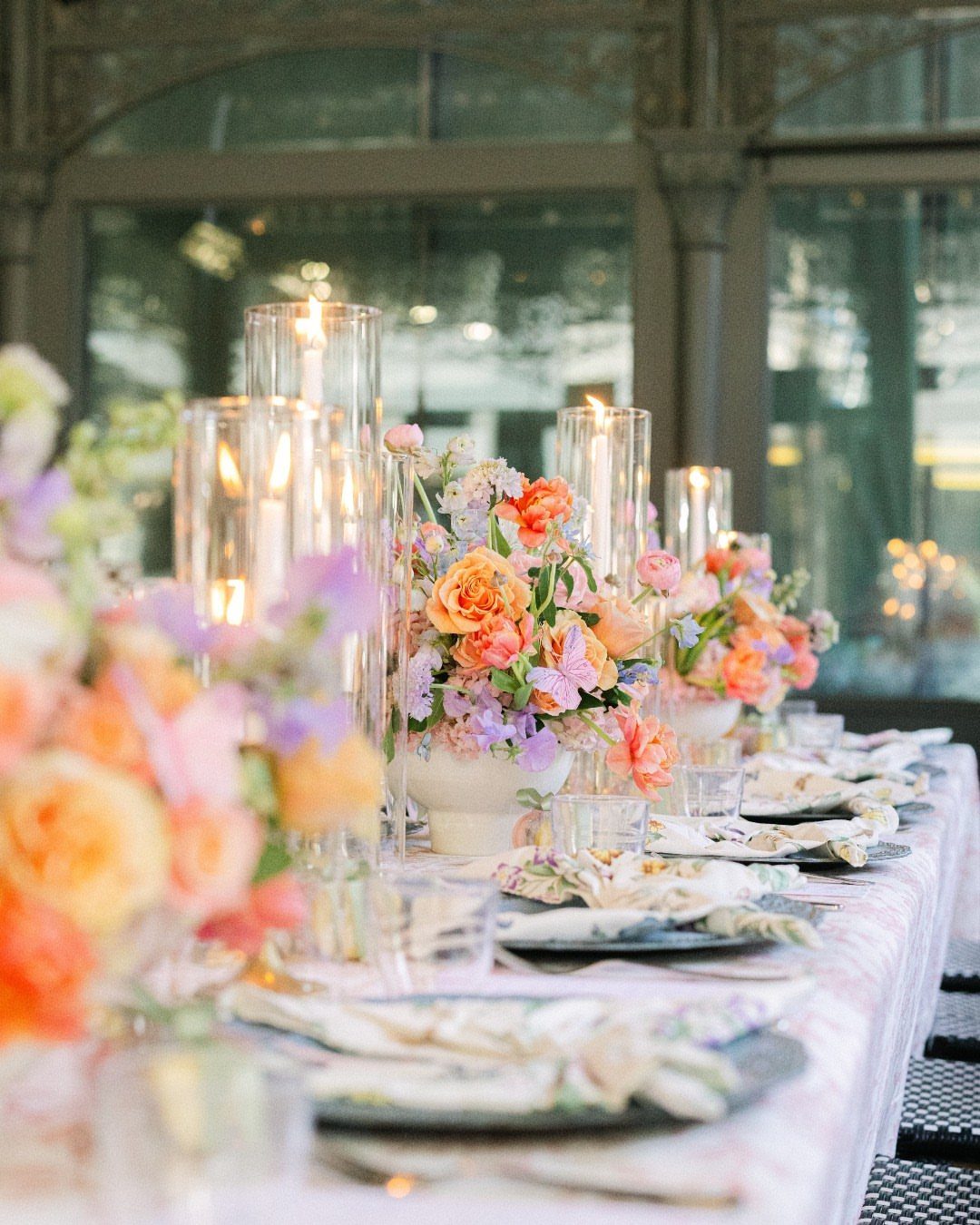
A garden table set for dinner runs on what you already own, rearranged outside. Patterned plates, cloth napkins, and flowers in low white bowls keep faces visible across the table.
Tall glass cylinders with tapers add height without cluttering the eating surface.
Green depression glass, if you find it at a garage sale, mixes with everyday white plates for color that feels collected, not bought as a set.
The vintage pieces work as vases, candle holders, or serving dishes; their weight keeps cloth from lifting in a breeze.
This is not about matching. It is about bringing indoor care to outdoor space, once or twice a summer.
For a real budget, borrow chairs from inside for the evening and skip buying a patio set you will store all winter.
6. Repurposing Vintage Tools
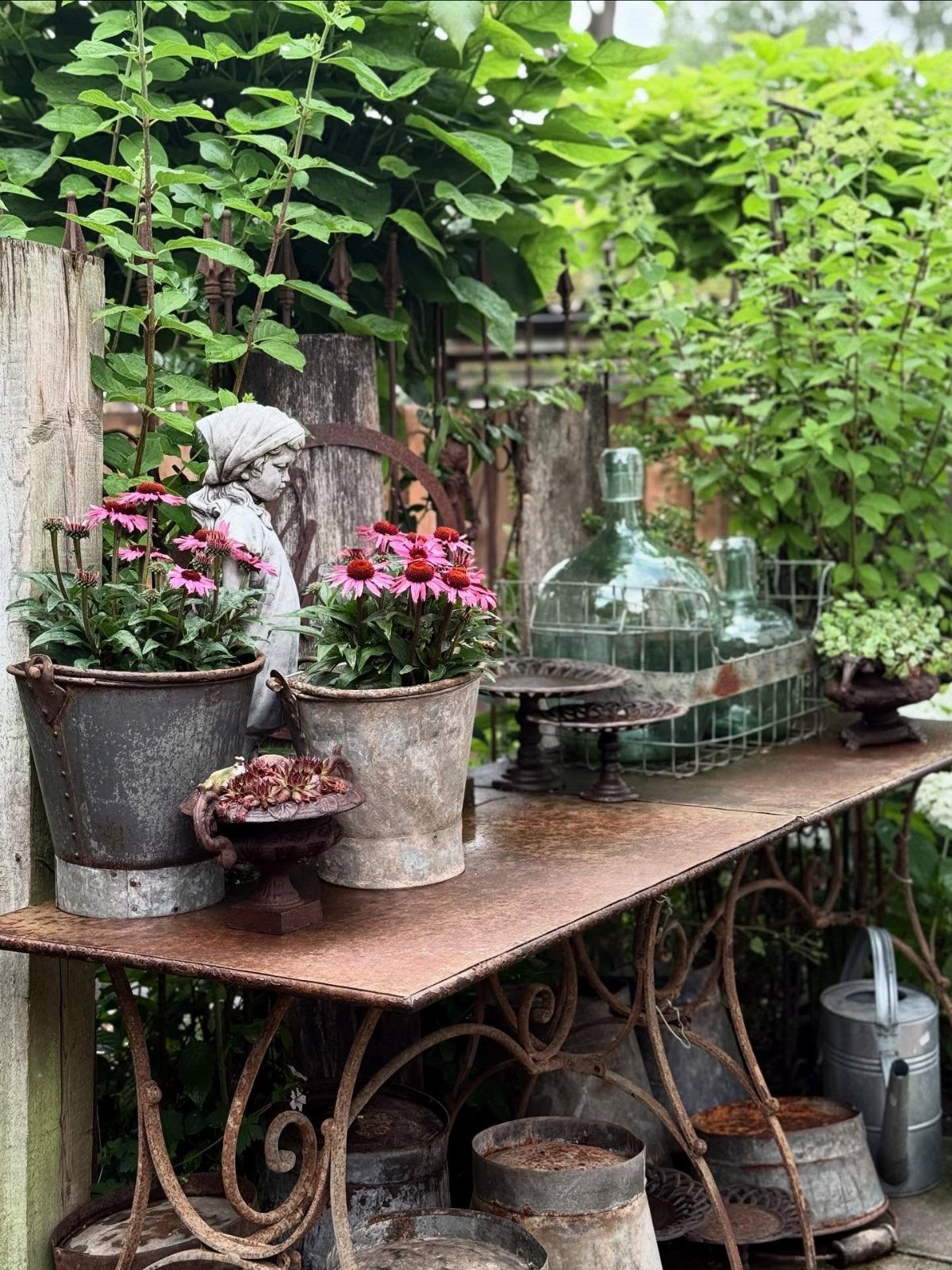
Old metal buckets and wire baskets, the kind that gather dust in sheds, become planters when drainage holes are punched through.
Weathered buckets on a rustic table can hold pink coneflowers with green growth hiding how little soil each actually holds.
Vintage tools with scooped heads or broken handles work as succulent containers; the shallow soil suits plants that store their own water. Succulents also forgive the sporadic watering of a weekend gardener.
This costs nearly nothing if you already haunt estate sales or your own garage. The metal weathers faster outside, which is the point.
It suits renters who cannot install permanent beds, or anyone who wants garden character without waiting years for patina to develop naturally.
Creating Beautiful Outdoor Spaces
Chicks in a garden sound charming until you count the work. A coop needs moving, cleaning, and predator-proofing; the pest control comes after months of care.
For renters, check the lease first, and for first-home owners, build the garden you will actually tend before adding livestock.
I would rather get the seating and paths right, then decide if the space still needs noise and feathers. A small flock suits someone home most days with a yard already fenced for dogs.
The whimsy is real, but so is the feed bill and the morning commitment.
Gardening Inspiration
Gardening pushes me toward projects I would not start cold. A table setting built around what is blooming that week, or a wreath from pruned grapevine, costs nothing extra and uses time I already spent outside.
The materials are there; the habit of seeing them is what grows.
I keep a basket by the door for clippings that look interesting. Most dry to nothing, but the ones that hold their shape become next month’s centerpiece without a trip to the craft store.
The skill is learning what lasts, not buying better supplies.
Garden Maintenance Tips
A vegetable bed built from concrete blocks needs spring leveling and fall emptying; the blocks stay, but the soil inside compacts and wants fresh compost yearly.
Interior gardens demand less labor and more consistency, a quick check every few days instead of a half-day weed session. Sensory and relaxing gardens split the difference, perennials establishing slowly while annuals fill gaps that need replanting.
I match the garden to the calendar I actually keep. Weekend-only attention suits wildflowers and succulents; daily presence fits seedlings and indoor pots.
Overestimating my discipline has killed more plants than drought.
Choosing Plants Wisely
Tomatoes and summer squash tolerate the learning curve; basil and mint announce quickly whether you will water on schedule. Snake plants and rubber plants forgive the apartment with one good window and an irregular caretaker.
Succulents in shallow vintage tools survive the weekend gardener who forgets midweek.
I start new gardeners on fast-feedback plants. A philodendron trailing down a rod shows within days if the light is wrong; a cucumber on a trellis browns or thrives in plain sight.
Slow plants teach patience, but quick ones teach the habits that patience later serves.
Frequently Asked Questions
How to make a garden look beautiful?
Start with what you actually need from the space, not a magazine spread. Beauty follows use: growing food, setting a dinner table outside, or any of the other approaches below all work because they give the garden a job.
What is the 3, 5, 7 rule in landscaping?
Plant in odd numbers: three of one plant together, five of another, seven of a third. The uneven grouping keeps the eye moving so no single spot feels stiff or overplanned.
This shows up most clearly in the wildflower and sensory garden sections, where variety in texture and height matters more than symmetry.
What is the 70/30 rule in gardening?
Most of the plants should be ones you know will thrive in your conditions; the rest can be experiments or things you just want to try.
Tomatoes and squash forgive beginners their mistakes, while herbs on the windowsill test whether you will water regularly; that mix of safe bets and experiments is the heart of it.
What is considered the most beautiful garden?
There is no single answer, and no ranking page names one. Beauty is personal and practical: a garden that suits your home, your budget, and whether you rent or own.





