Container gardens for vegetables run from a free food-grade bucket with drilled holes to stock tanks that hold 45 by 24 by 24 inches of soil, and the right choice depends on whether you need to move it before frost or the landlord’s inspection.
Fabric grow bags fold flat and lift when empty; glazed ceramic stays put and holds moisture through a hot weekend.
1. Choosing the Right Soil

Bagged garden soil looks like the right stuff, but filling a planter with it is a fast way to starve roots.
Soil from the ground turns heavy in a pot, trapping water or drying hard as cement, and it brings in weeds and disease. A soilless mix is what vegetables actually want.
I make mine from compost, coco coir, perlite, and vermiculite. The coco coir holds moisture without getting soggy, perlite keeps air moving to the roots, and the compost feeds the plant.
If you are buying instead of mixing, look for a bag labeled potting mix, not potting soil. The words are used interchangeably in most stores, so check the ingredients for peat or coir plus perlite, not actual dirt.
Bulk from a local yard costs less than bags if you have a truck or a friend with one. My plants hit a wall the year I skipped the perlite; the mix stayed wet too long and the tomatoes sulked.
Aeration matters as much as nutrients.
The theme of the festival varies from year to year, and last year’s theme was kitchen gardening. “Rien que des Potagers” (Nothing but Vegetable Gardens) featured 30 individual garden plots, each designed by a different gardener, selected from about 300 contestants who entered an international competition.
2. Watering Techniques

A container that looks damp on top can be dust below the surface, so I check with my finger to the second knuckle before I decide whether to water. The right schedule depends on what the pot is made of.
Unglazed terracotta breathes and dries fast; plastic or glazed ceramic holds moisture longer. A fabric grow bag sits in between, drying from the sides as well as the top.
I cluster plants that want the same amount of water in the same zone, so I am not drowning one while another parches. Drainage holes are non-negotiable.
Water that pools at the bottom rots roots faster than forgetting to water for a day. If your saucer holds standing water, tip it out after an hour.
In the hottest weeks I move smaller pots into partial afternoon shade; keeping them alive is easier than keeping them cool in full sun.
3. Growing Vegetables in Containers

A container garden moves with you, which matters when the best sun shifts through the season or when you move to a new rental.
I have dragged my fabric grow bags across a patio to catch a shifting patch of sun, and I have loaded tomato pots into a truck bed when I moved apartments in July.
A container garden fits a rental balcony, a concrete stoop, or a rooftop that gets 6 to 8 hours of light. Leafy greens manage on three to five hours of sun, but fruiting plants like peppers and tomatoes want the full day.
I arrange taller climbers at the back or center and let low growers fill around them. The lettuce stays tender longer in the shade the tomatoes cast, and I pull the quick crops before the slow ones need the space.
Fabric planters run deep for roots but stay light enough to lift while empty. That matters more than I expected when I started.
4. Potato

Potatoes in a container need a different rhythm than other vegetables. I start with just a couple inches of soil at the bottom, set 2 or 3 seed potato pieces, and cover them with 4 inches more.
Hilling soil around potato stems as they grow, leaving only the top leaves exposed, keeps the tubers developing underground. The tubers form along that buried stem, so more soil means more potatoes.
Potatoes need to stay buried; any tuber that breaks through and catches sun turns green and bitter.
I use two nursery pots nested together, the inner one with holes cut in the sides, so I can reach in for early new potatoes without killing the whole plant.
A container big enough to tip over makes harvest day simple. Dump it and sort through the dirt.
The yield will not feed you through winter, but the first potatoes you grew yourself taste like something else entirely.
5. Choosing Planters & Containers

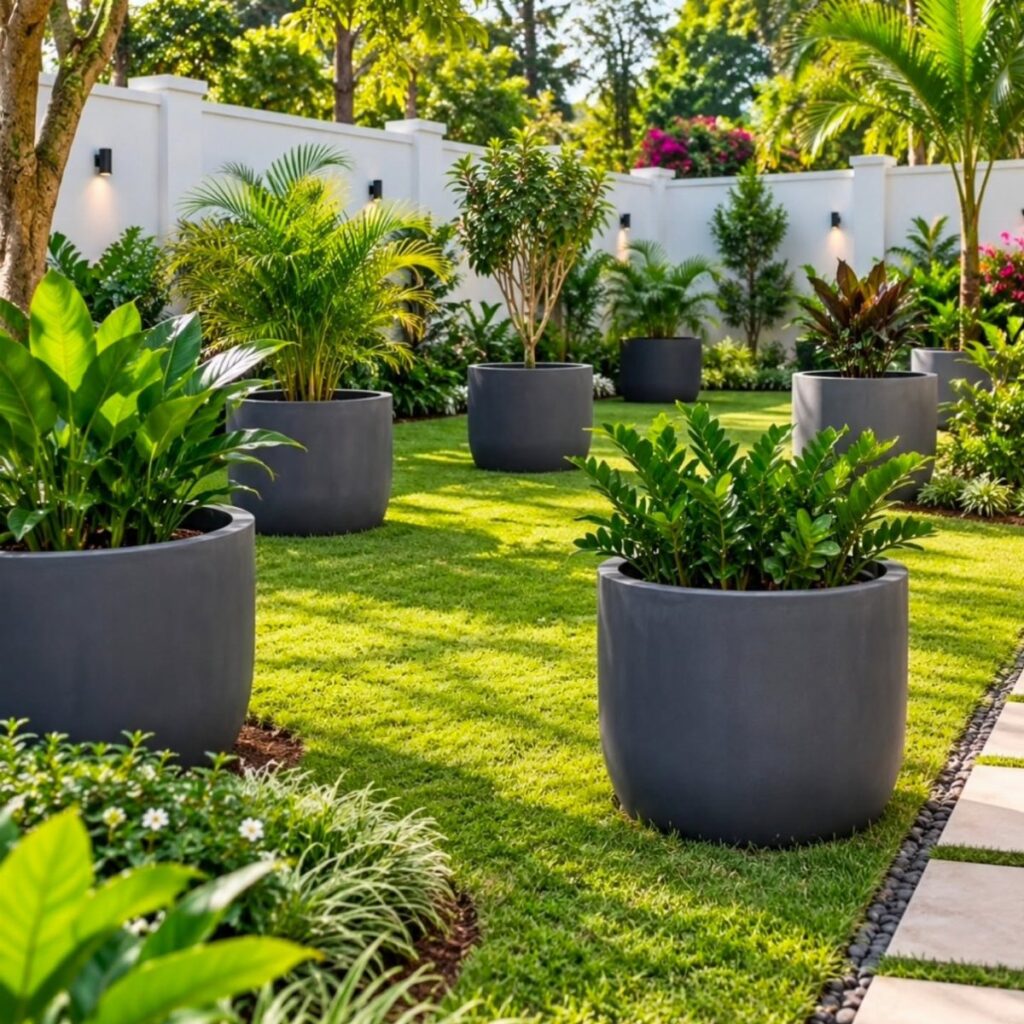
Ceramic planters can sit out as patio furniture, though the glaze finish matters more than the color for surviving freeze-thaw cycles.
Unglazed terracotta breathes too well for dry climates; it pulls moisture from the soil and can crack in a hard freeze.
Glazed ceramic holds water longer, which helps in summer but can drown roots if the drainage hole is too small or missing. I check the bottom before I buy.
Plastic is cheaper and lighter, and the better ones now come in textures that read as stone from a few feet away.
Fabric grow bags are my choice for vegetables I plan to move; they fold flat in winter and the air pruning keeps roots from circling. Whatever material you pick, size beats style for vegetables.
A pepper or tomato in a pot too small is a pepper or tomato that never hits its stride.
6. Selecting a Container

A 5-gallon bucket is the minimum volume I would use for a full-size vegetable plant, and deeper is better.
Ten to 12 inches of soil gives roots room to spread and buffers against the drying that kills container gardens on hot weekends.
Stock tanks at 45 by 24 by 24 inches hold enough soil mass to stay moist through a missed day or two of watering. Whatever container you find, cut or drill generous drainage holes in the bottom.
Without them, you are building a bathtub, not a planter. Black plastic crates lined with burlap work if the fabric is thick enough to hold soil while letting water drain through.
I would double the layer and expect to replace it after a season or two. The pallet stand lifts them to a comfortable height and keeps the wood off wet ground.
For a single tomato or pepper, a food-grade bucket with holes drilled in the bottom costs next to nothing and lasts several years.
7. Vertical Gardening

Vertical gardening turns a bare wall or fence into growing space that a balcony or patio would otherwise waste.
Horizontal PVC pipes fixed to a simple frame keep the whole thing light enough to hang on siding or brick with standard anchors.
Beans, peas, and cherry tomatoes are the crops that actually want to climb, so they do not need tying and retying every weekend.
Leafy greens work too, but they sit in the pipe rather than climb, so you mix the two kinds or you dedicate one row to lettuce and another to climbers.
Drainage holes drilled along the length keep roots from rotting, and the white PVC does not heat up the way dark metal would in afternoon sun.
A south-facing wall in a hot climate needs afternoon shade or the pipe soil bakes by July.
Starting with 3 rows lets you test the watering before committing to a whole wall.
A pump sprayer reaches the top pipe without a ladder, and that matters more than most people guess until they are doing it twice a day in August.
8. Upcycled Containers

Old wheels hung from a pergola by chain, with woven baskets dropped in where the tires used to hold tubes, make planters that sway gently and move for watering.
That is the trick: the basket does the actual planting, and the wheel is just the frame that makes people stop and ask where you bought it.
Any rim with a solid center hub works, though road bike wheels are light enough that a single ceiling hook holds them.
The basket needs to sit slightly above the rim so water drains through, not pool against the metal and rust it out in 2 seasons.
Old wheelbarrows, galvanized buckets, and enamel tubs follow the same logic. Drill drainage, add a layer of gravel, and fill with potting mix rather than garden soil, which compacts in a confined space and strangles roots.
The sustainability angle is real, but the practical win is cost. A planter this size in a garden center runs a decent price, and the wheel version costs chain and a basket if you already have the bike.
I would keep the scale small, 1 or 2 pieces as accents, unless you want the whole yard to read as a junk shop.
Check that nothing held motor oil or lawn chemicals, and skip painted items old enough to predate the ban on lead in exterior coatings. A quick wash with dish soap and a scrub brush handles most everything else.
Location Considerations
Full sun means 6 to 8 hours for fruiting vegetables; leafy greens still produce with about 4. I scout a spot in March before the trees leaf out, because a sunny patch in early spring can turn half-shade by June.
Wind dries pots fast and knocks tall plants flat, so a fence or wall on the windward side saves water and stakes. I’d set peppers where a July storm won’t flatten them, not in an exposed corner.
Water has to be close enough that you will actually do it. A hose that reaches, or at least a spigot you do not dread walking to twice a day in August, matters more than the perfect angle of light.
I cluster my thirstiest pots nearest the faucet and let the herbs fend for themselves farther out.
Drainage Importance
A container without drainage holes is a planter in name only. Water that cannot escape rots roots in days, not weeks, and the plant dies looking blameless above ground.
For a 4- to 6-inch pot, 3 to 6 holes of 1/4 inch each is enough. Bigger containers need more of those same 1/4-inch holes, 6 to 8 of them.
Go bigger than 1/4 inch and soil washes out with every watering.
I drill my own if the pot comes solid. A masonry bit for ceramic, a spade bit for plastic, both slow enough not to crack the wall.
In dry climates I might choose a material that holds more moisture, but I still cut the holes. In humid air I want every drop out faster, not slower.
Container Material Options
Wood troughs suit a rustic house and insulate roots from soil temperature swings. Metal heats fast in sun and cools fast at night; I avoid dark colors on south-facing walls.
Grow bags made of fabric fold flat once winter hits, and the sides air-prune roots so they don’t circle.
Frequently Asked Questions
What are some good ideas for a potted vegetable garden?
Dwarf varieties fit small pots without crowding, and vertical setups like horizontal PVC pipes on a wall turn unused fence space into rows of greens or climbers.
What are the best container garden planters for growing vegetables?
Look for at least 10 to 12 inches of soil depth, and deeper is better for full-size tomatoes or peppers.
What are some good outdoor planters for vegetables?
Fabric grow bags fold flat in winter and stay light enough to drag across a patio when the sun shifts.
What is a good layout for a vegetable garden?
Put taller climbers like tomatoes at the back or center and let low growers such as lettuce fill around them.
In a container setup, this means grouping unglazed terracotta pots together and keeping plastic or glazed ceramic in another spot, since they dry at different rates.