
The ideas below run from a half-hour with open windows to a full weekend of scrubbing floors and pulling exhaust fan covers, covering bathroom sanitation, bedroom prep, floor care, and the rest of what actually shows up in this list.
What settles the choice is whether you are moving furniture in tomorrow or have a day or two bare, and how deep you want to go into bathroom sanitation, bedroom prep, floor care, and the other topics here.
I still hand-mop monthly even with a robot vacuum running; the machine handles the dust that hides in patterned tile, but stuck-on spots need the real thing.
1. Bathroom Sanitation
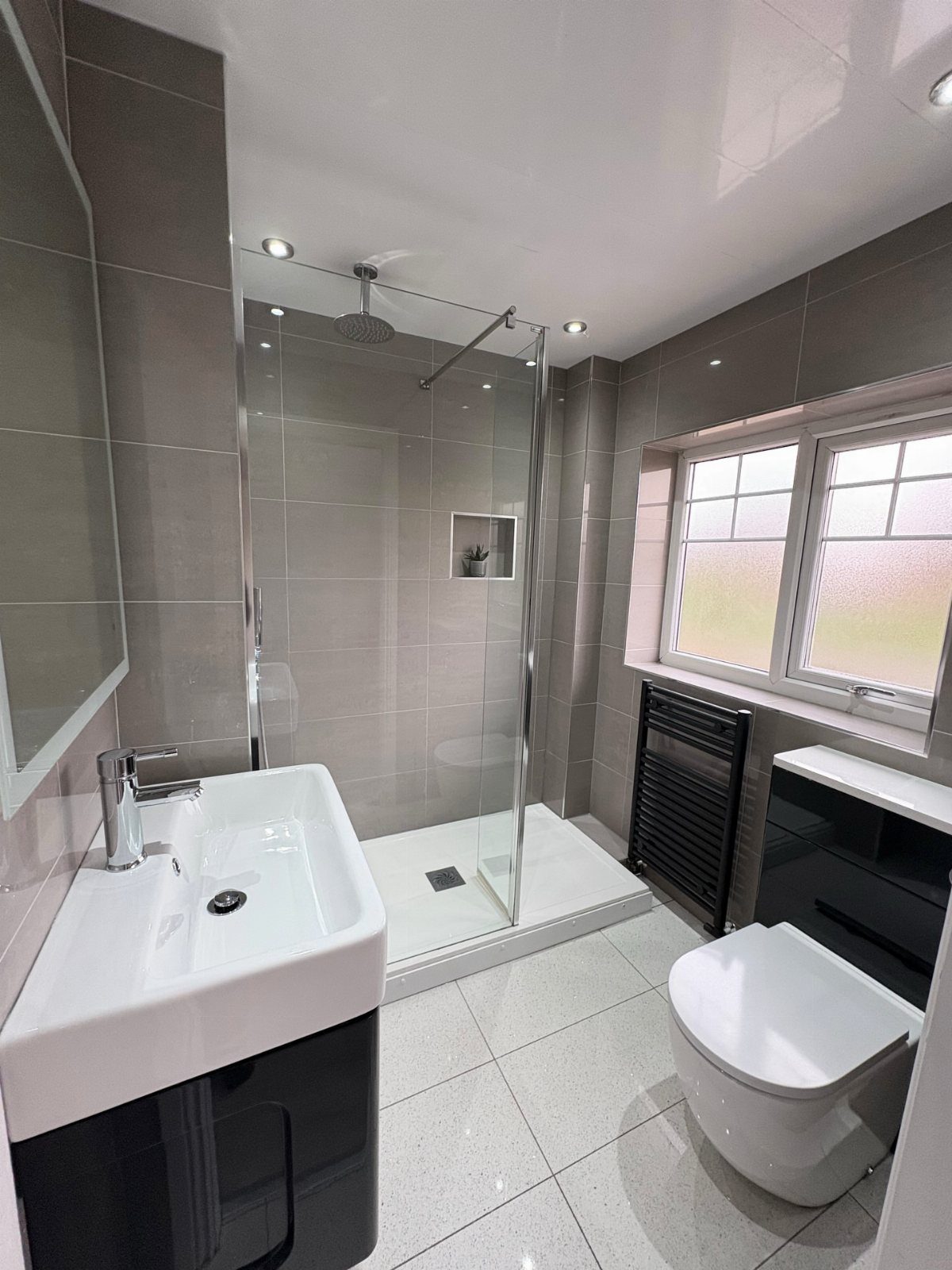
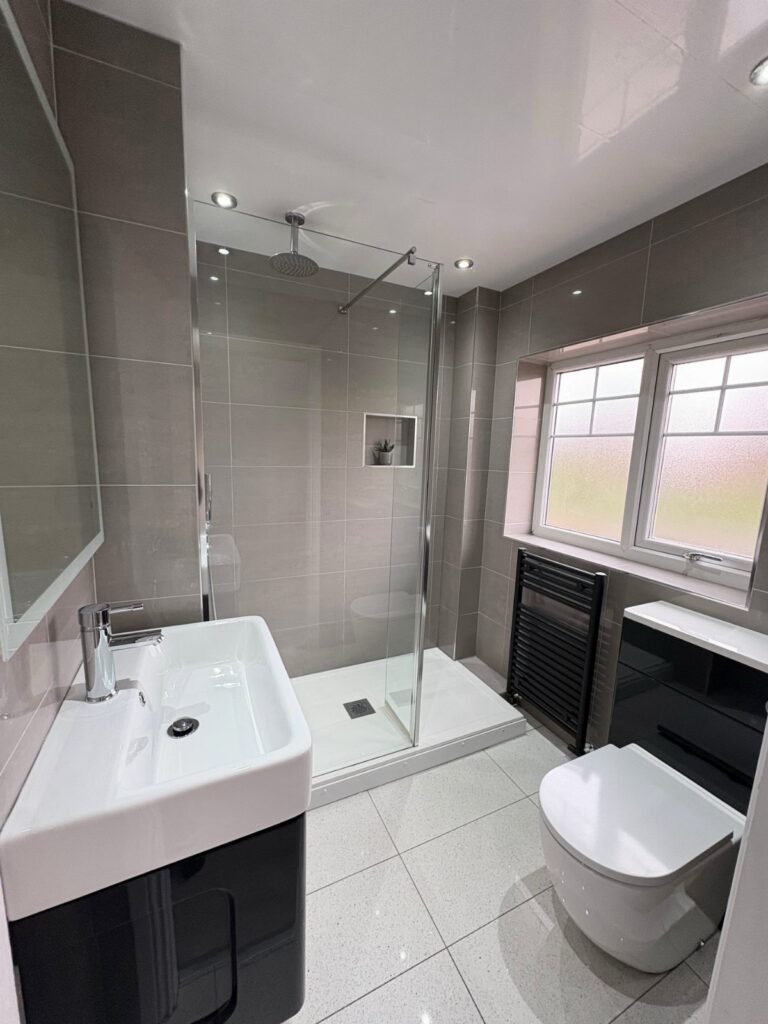
A bathroom deep clean means hitting the spots the last tenant’s wipe-down missed. Toilet, tub, and sink come first, then a small brush worked into tile grout where mildew hides.
Mirrors and cabinet interiors get wiped, and I replace shower liners that have seen better months.
Door knobs, light switches, and faucets need disinfectant last; hands touch them after every other surface. Mineral buildup on showerheads takes a soak in vinegar if it’s bad.
Exhaust fans collect dust that holds moisture, so I pull the cover and vacuum behind it.
This is the room where shortcuts show. I’d rather spend extra time here than wonder what I inherited.
2. Bedroom Preparation
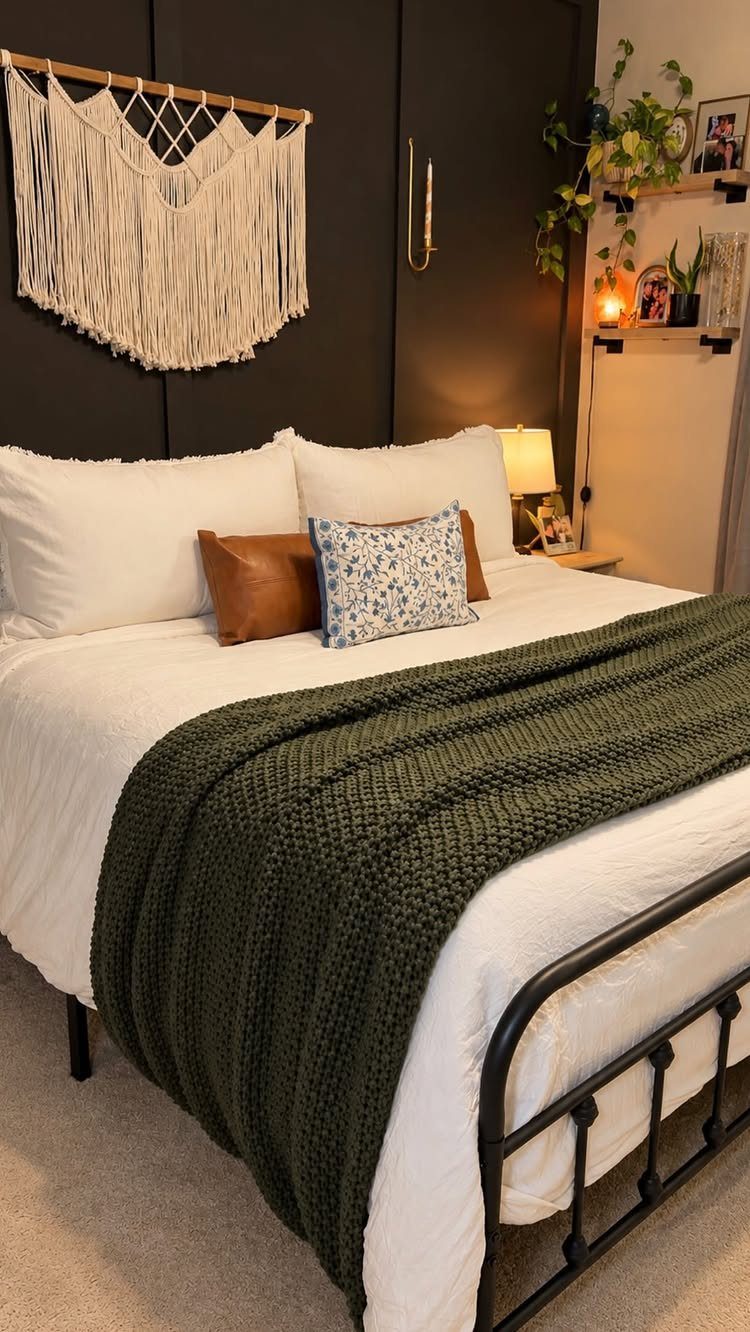
Bedrooms look finished fast, but a real deep clean starts overhead. Cobwebs collect in ceiling corners and along window frames, especially in apartments that sat empty.
I vacuum or steam-clean carpet before any furniture arrives; once the bed is in, that floor space is gone until the next move.
Surfaces get wiped, but I pay attention to door handles and closet interiors, places the previous tenant’s hand touched daily. For move-in day, strip the bed back to washed linens and add layers after the room has aired.
A restful space is one you know started clean.
3. Floor Care
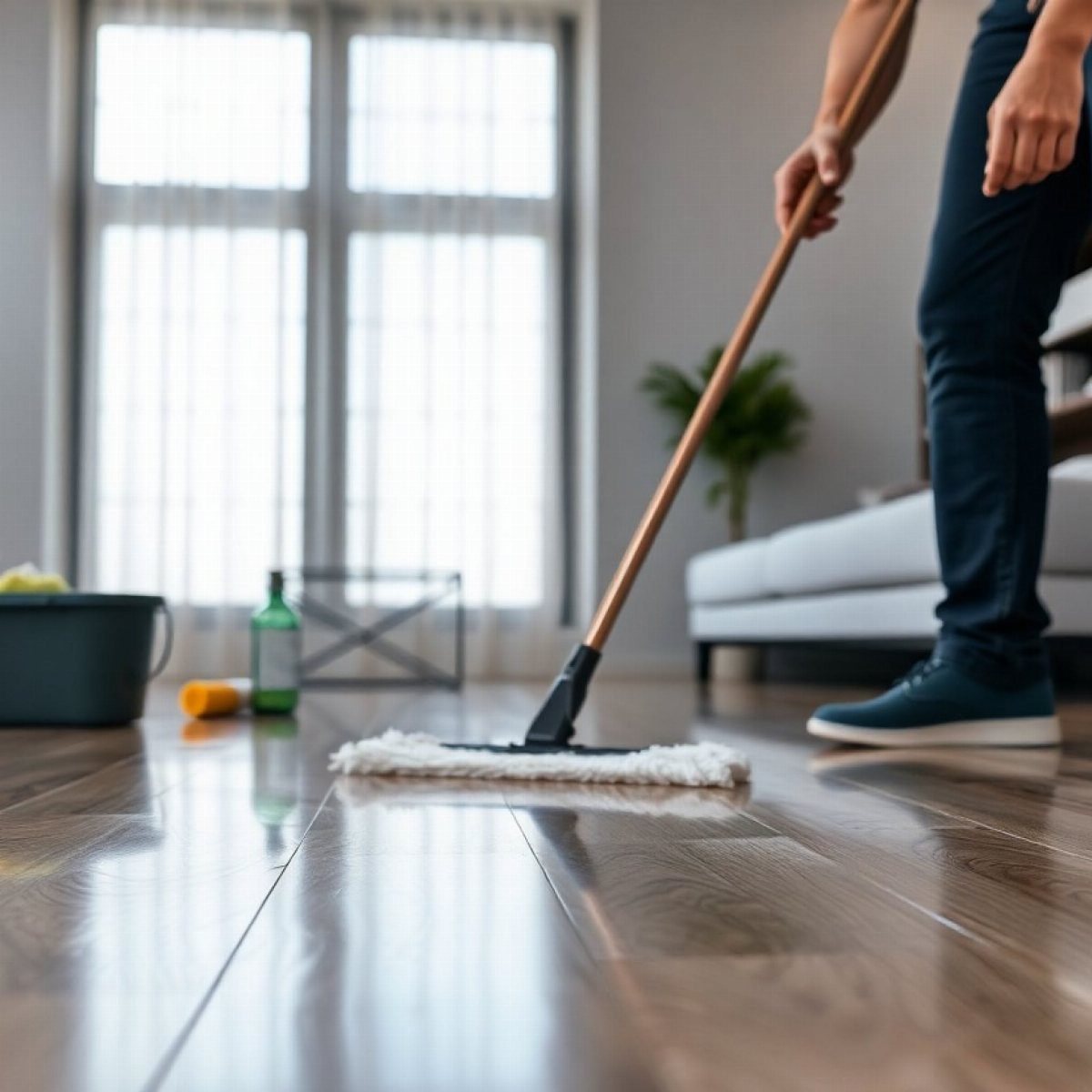
Floors carry the last tenant’s whole year. I sweep hard surfaces first, then vacuum, then mop; skipping the order just pushes grit around.
Carpets and rugs need steam-cleaning or shampooing, and I move what I can to get underneath. Corners and baseboards collect dust that a center-room pass misses.
Hardwood needs a cleaner matched to its finish; oil soap on polyurethane leaves residue. Drying time matters.
I wait before setting furniture back, especially on wood that can cup or stain.
This is where the apartment starts to feel yours. The floor looks better right away, and the work is mostly moving backward toward the door.
4. Air Freshening

A clean apartment that smells like disinfectant still reads as someone else’s space. I open every window for at least half an hour first; moving air carries out what cleaning stirred up and reveals odors the previous tenant left behind.
Essential oil diffusers or a simple spray work too. A neutral, lived-in smell beats the chemical note that lingers after strangers move out.
I’d skip plug-in air fresheners; they mask instead of clear. If the HVAC has a filter, I check it now, since the previous tenant’s timeline is unknown.
Fresh air is the part that costs nothing and shows the most.
5. Using Automated Cleaning Tools
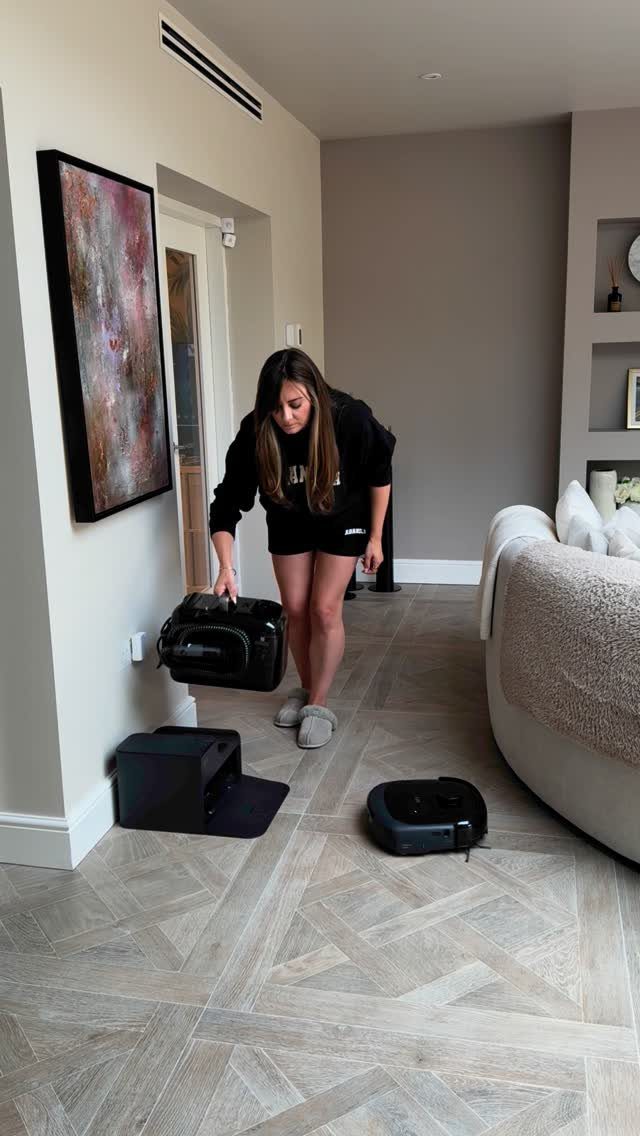
A robot vacuum won’t scrub grout, but it handles the maintenance that keeps deep cleans from coming too often. Patterned tile hides daily dust, which means it accumulates without warning; a scheduled run while I’m out keeps it handled.
The base station empties itself on higher-end models, which matters more in a small apartment where the bin fills fast. Mop attachments work on hard surfaces but struggle with stuck-on spots; I still hand-mop monthly.
This suits the reader who cleans in bursts between projects, not the one who finds Saturday scrubbing therapeutic. The tradeoff is upfront cost against hours back.
I’d buy the vacuum after the move-in deep clean, not instead of it.
Importance of Deep Cleaning
Deep cleaning an apartment before you settle in does more than make the place presentable. The air you breathe changes when dust, grime, and accumulated residue come out of carpets, vents, and corners.
For anyone with allergies or asthma, that difference shows up in sleep quality and morning congestion within the first week.
Furniture lasts longer on clean floors and against walls that have been wiped down. Grit trapped under rugs scratches hardwood; oils from hands and cooking film onto surfaces you touch daily.
Removing that layer now means your couch, your bed frame, your bookshelf faces less wear from day one.
The mental side matters too. A space that started clean stays easier to maintain, and the feeling of walking into a room you have fully handled yourself carries into how you use it.
That satisfaction is harder to get from a surface-level wipe.
Move-in Cleaning Responsibility
A landlord’s cleaning standard and yours are not the same thing.
What reads as "move-in ready" on a walkthrough often means visible floors and wiped counters, with the previous tenant’s dust still sitting on closet shelves and behind the toilet tank.
I check the apartment myself before the boxes come in.
Light switches, cabinet interiors, the inside of the fridge, the tracks of the sliding glass door; these spots get skipped in turnover cleanings because they take time and no one complains if they are missed.
You will not complain either until you find someone else’s hair in the shower drain after you’ve already settled in.
Doing this work now means you know exactly what condition the place is in. That baseline protects your security deposit later and catches maintenance issues, a dripping faucet or a window that will not lock, before your belongings block access.
Common Cleaning Mistakes
The mistakes that waste time are usually omissions. Baseboards collect dust that vacuums miss because the hose sits an inch above them.
Walls need wiping, especially near light switches and door frames where hands leave oil; a damp microfiber cloth pulls off more than you expect.
Behind appliances is another blind spot. The refrigerator coils gather dust that makes the motor work harder and run louder.
The gap behind the stove holds food debris that attracts pests. Pulling these out goes fast if you do it empty, and drags on forever if you wait until they are loaded with your dishes.
Ceiling fans and the tops of door frames are easy to ignore because they sit above eye level. Dust there resettles onto clean surfaces below within a day or two of moving in.
I hit them first, work down, and avoid cleaning the same floor twice.
Benefits of Professional Cleaning
Professional cleaners charge for the time and equipment you do not have, and in some situations that cost pays out.
For someone moving between jobs or cities with a narrow window between leases, that time is the value. You unpack while they handle the bathroom grout and the inside of the oven.
The result is also more uniform; they follow a checklist that hits the spots a tired mover forgets.
I would hire out for carpet steaming or if the previous tenant had pets. The machines rented at grocery stores work, but they are heavier to transport and less powerful than truck-mounted units.
For a standard apartment with no major issues, doing it yourself is reasonable. The choice depends on what your weekend is worth against the price.
Frequently Asked Questions
What cleaning supplies should I get for my new apartment?
Start with all-purpose cleaner, disinfectant, glass cleaner, baking soda, vinegar, scrub brushes, sponges, microfiber cloths, a mop and bucket, and a vacuum.
A bucket, microfiber cloths, all-purpose cleaner, baking soda, white vinegar, dish soap, a scrub brush and a vacuum handle every room without buying specialty products you will use once.
I add a small brush for grout later if the bathroom needs it; most moves do not.
Am I supposed to deep clean my apartment before moving out?
Deep cleaning before moving out protects your security deposit and keeps the landlord from finding reasons to withhold it. Landlords check walls, baseboards, door frames, and the inside of appliances; missed spots cost money.
I treat move-out cleaning like the move-in process in reverse, working room by room with the same supply list.





