
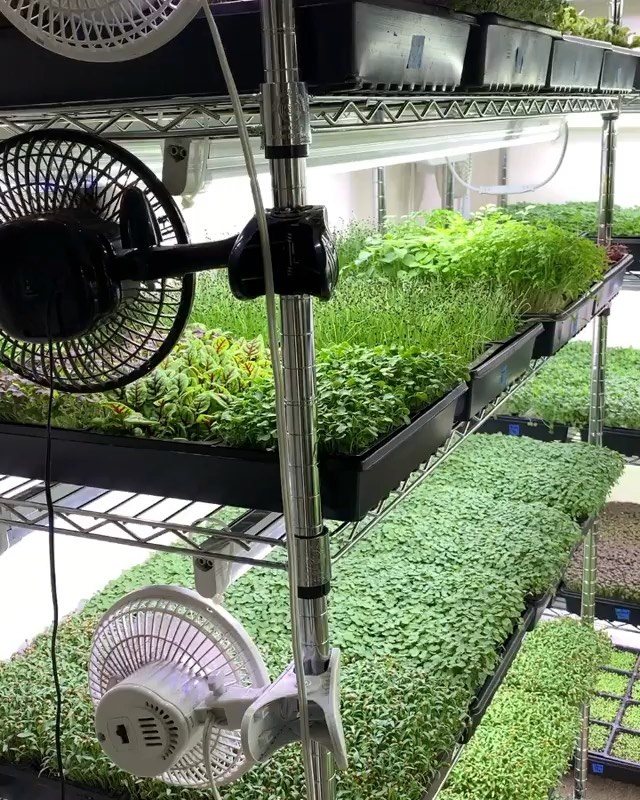
These indoor herb ideas run from a starter kit to a rolling wooden tower you build yourself, and the right choice depends on whether you have one sunny window or a narrow gap beside the fridge.
Someone with only a south-facing sill and a weekend should look at the single-container mix of thyme, basil, and chives; renters who cannot drill into walls need the casters and vertical frame instead.
The proving detail that separates this list from the rest is the ⅛" plywood layer no one talks about, but more honestly, it is the pie plate under plain terracotta and the gooseneck clamp bulb for winter sage.
1. Rosemary
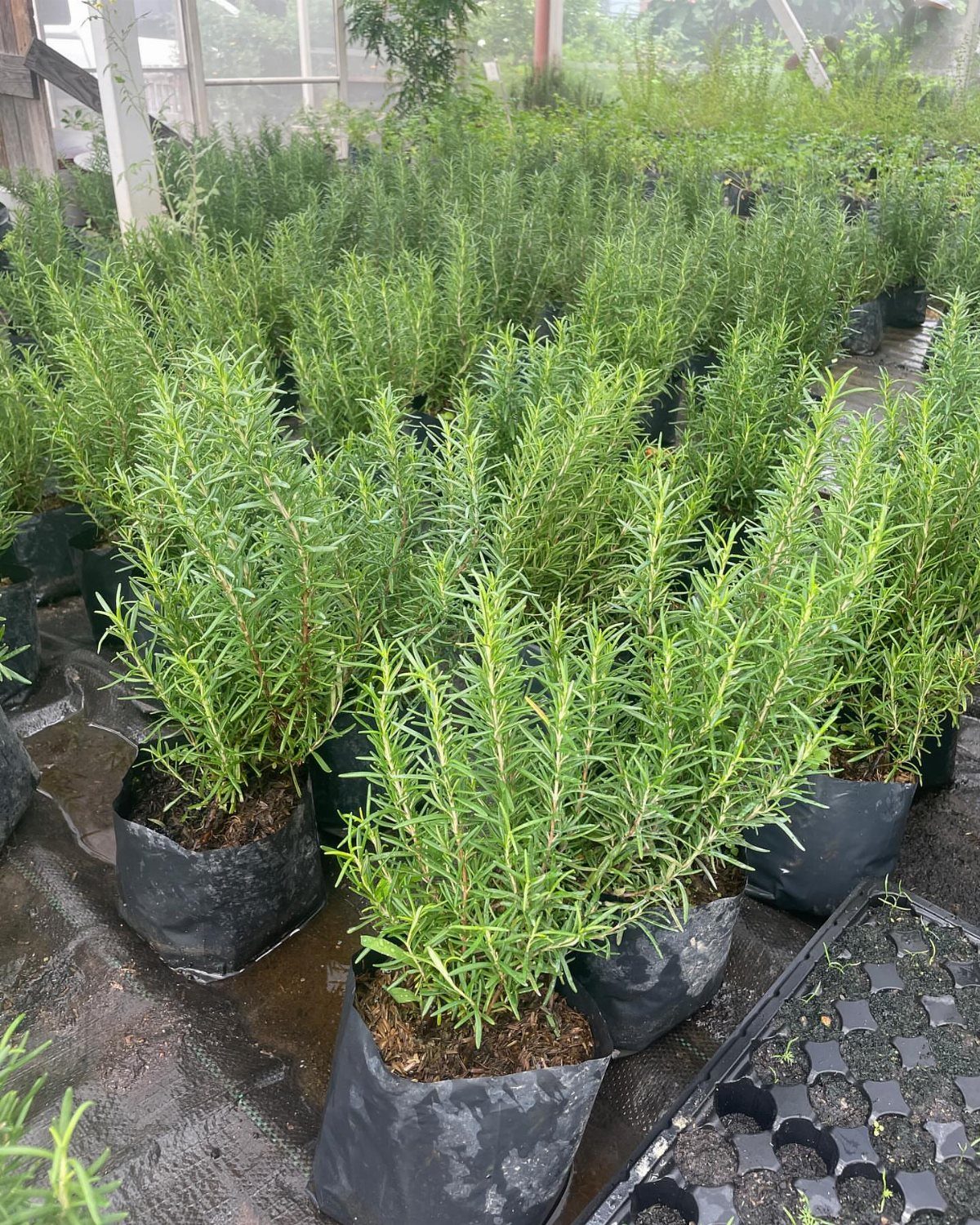
Rosemary starts from a cutting or a nursery plant, not seed; I learned that after failing twice with packets that never sprouted.
The woody stems need soil that holds moisture without drowning the roots, so a pot with real drainage holes beats a decorative cachepot every time.
Left alone, rosemary grows into a shrub wide enough to crowd a windowsill, which means either pruning hard or moving it outside once summer hits. I keep mine on the smaller side for the kitchen.
A south-facing window with steady light keeps the needles fragrant; too little and the plant gets leggy and bitter. For renters with one good window, rosemary earns its spot if you cook with it weekly.
Otherwise, thyme gives more flavor in less space.
2. Thyme
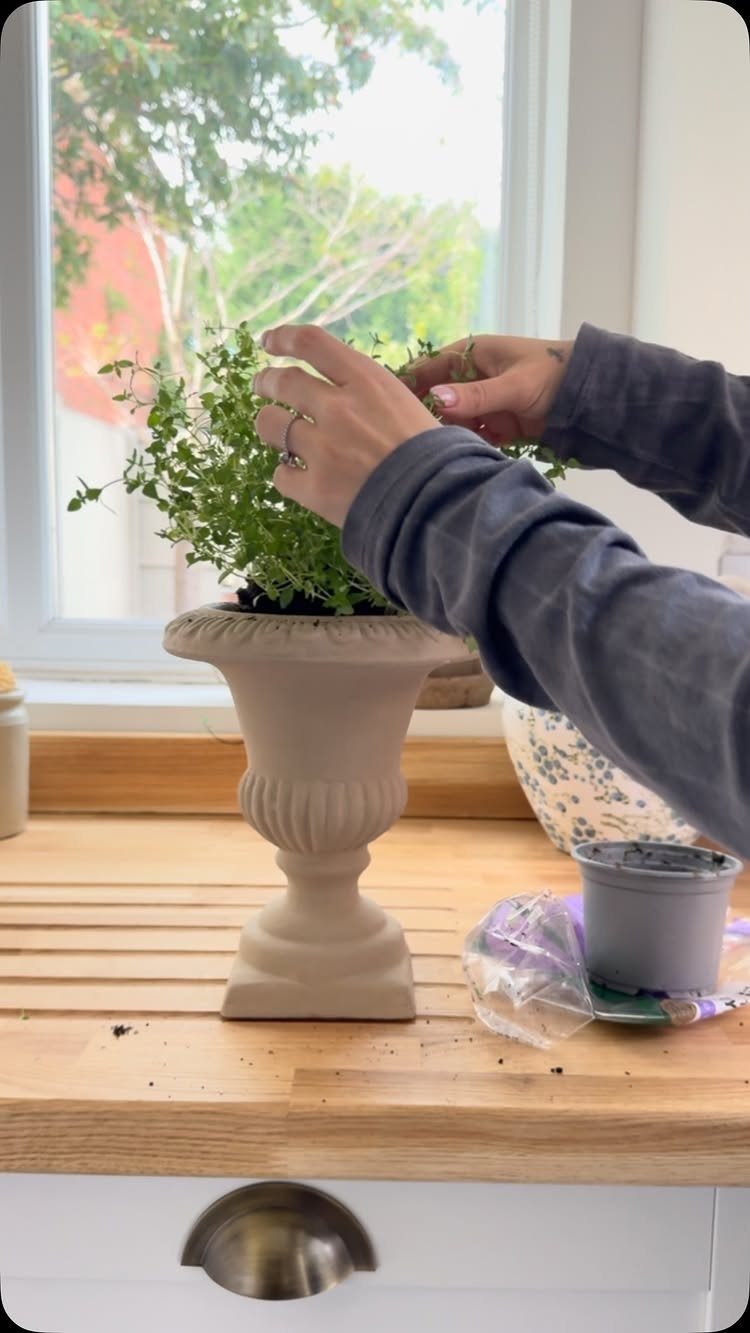
Thyme forgives the forgetful waterer. The soil wants to dry to your first knuckle before you add more; soggy roots rot fast in winter when the plant slows down.
I grow mine in a plain terracotta pot that sits on a pie plate, nothing fancier, and the porous clay helps prevent the damp that kills it.
The drapey stems spill over the edge, which makes thyme the front-row plant if you are cramming several herbs into one container.
It needs less light than basil, so an east window works, though the flavor stays stronger in more sun. For a windowsill garden mixing heights and textures, thyme is the plant that ties the others together.
I’d skip it only if you never cook savory food.
3. Oregano
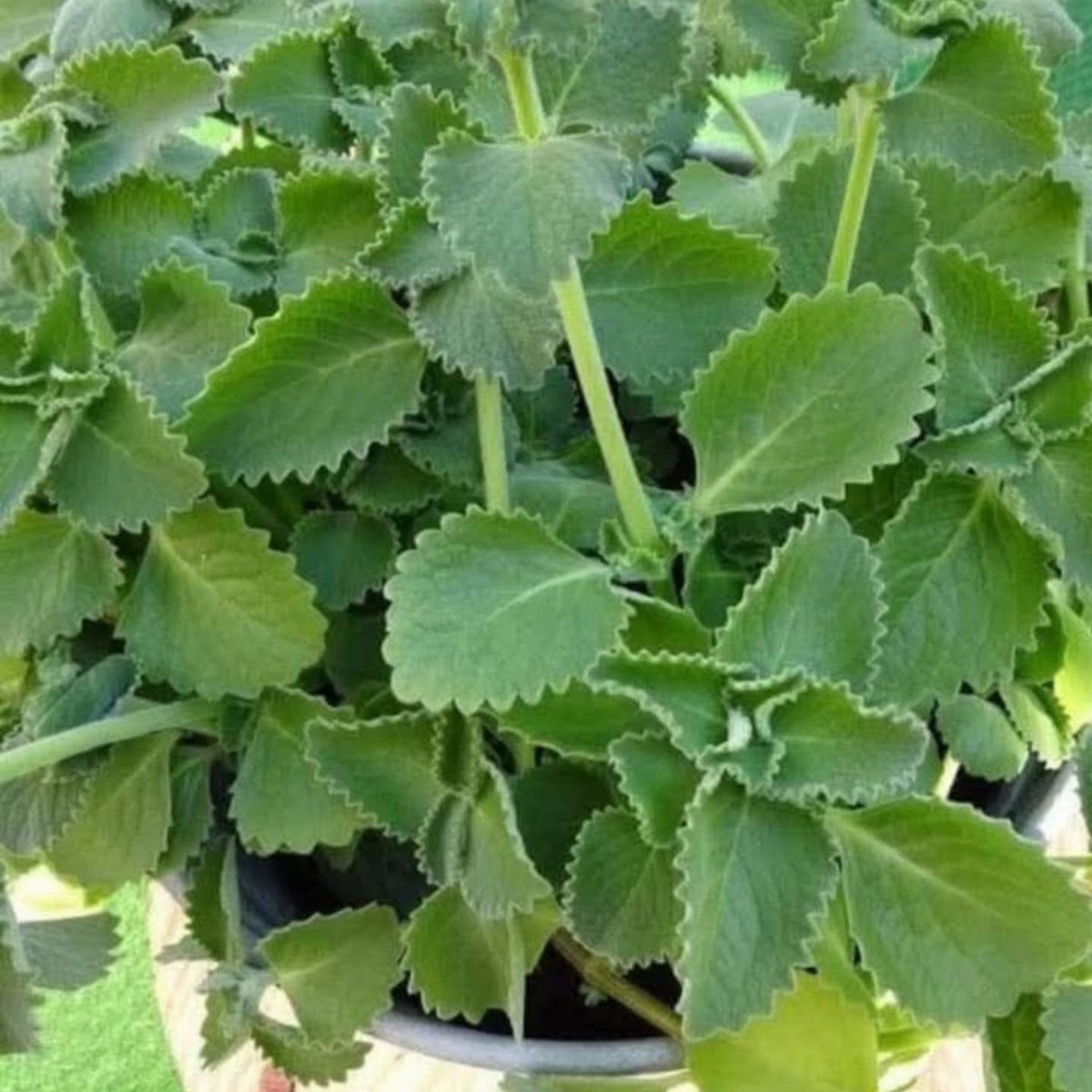
Oregano spreads wider than thyme but asks for the same care: drainage, then neglect. A standard potting mix cut with perlite keeps the roots from sitting wet, and a clay pot dries faster than plastic if you tend to overwater.
I bought my first plant as a starter from a nursery rack, potted it up, and had harvestable stems before the season was out.
The leaves turn mild in too much shade, so a bright window matters more than room temperature. It regrows after cutting, which matters if you cook with handfuls.
For beginners, oregano rewards impatience better than rosemary or sage; the only mistake is drowning it.
4. Chives
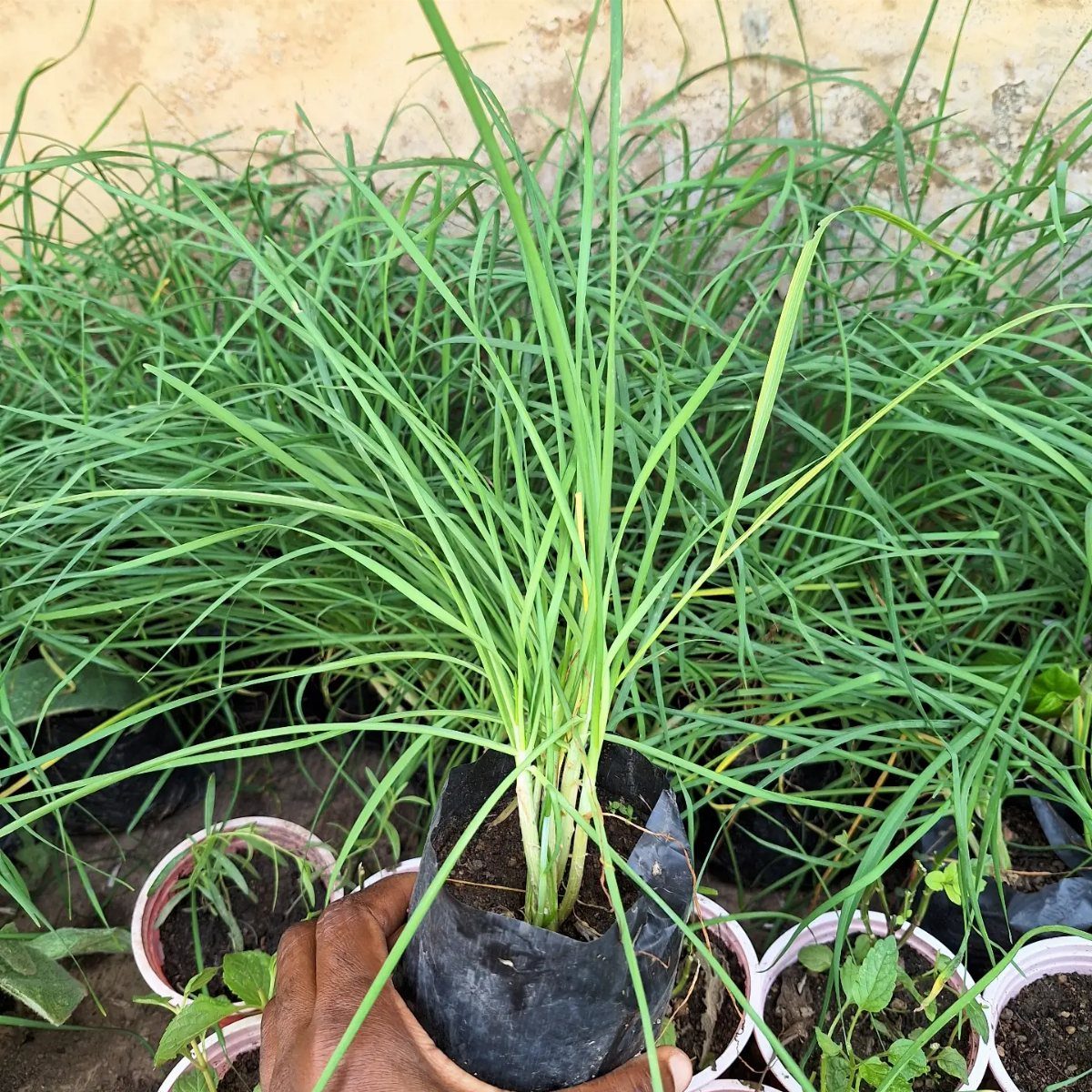
Chives grow fast enough that you cut, wait, and cut again, which suits cooks who want fresh alliums without planning ahead.
They need steady moisture, not wet feet; I keep the soil damp like a wrung sponge and empty the saucer after watering. A modest pot holds several small clumps, enough for a family’s eggs and potatoes.
The grass-like leaves want direct sun, though they survive on less and just grow slower. I divide my outdoor clump and pot some up each fall; grocery-store plants in water sleeves work too, once you transplant them to soil.
For a first indoor herb, chives pay off quickest. The only catch is that they look like grass, so label the pot or someone will dump it.
5. Sage
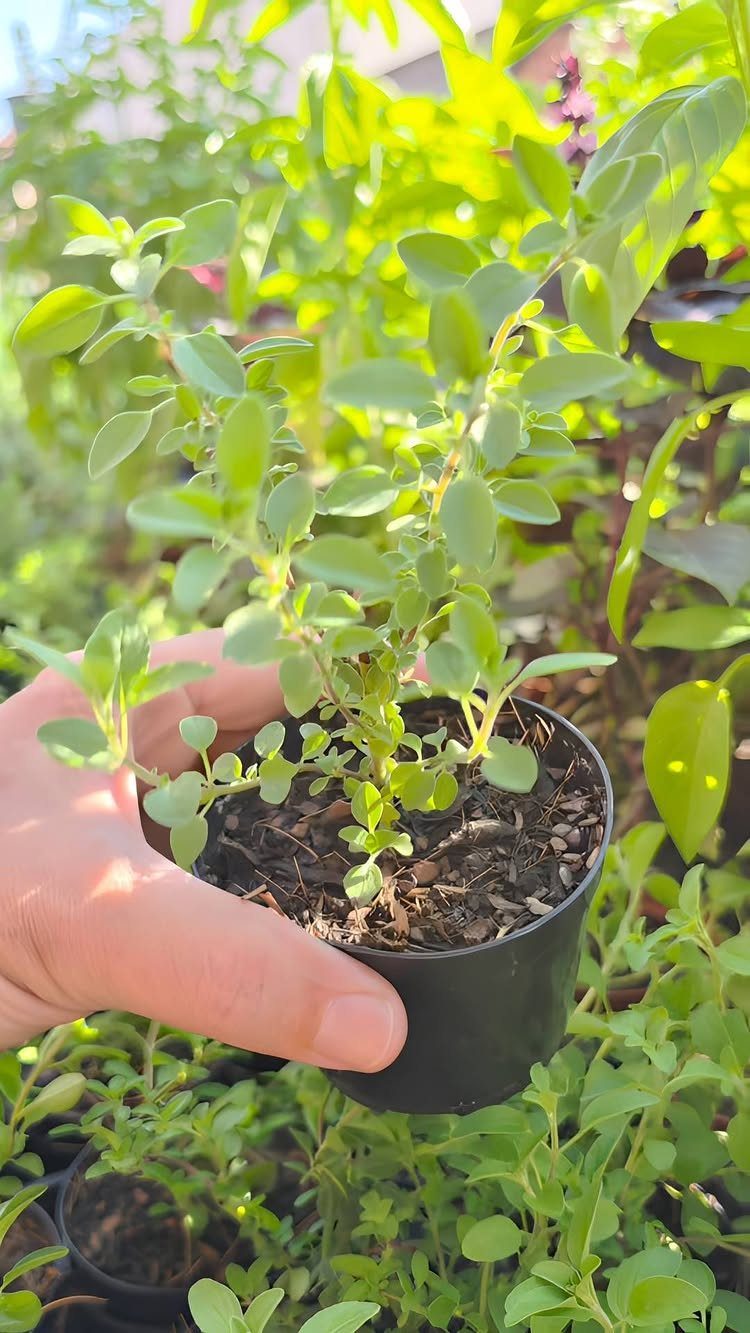
Sage wants the same dry-between-waterings rhythm as thyme and rosemary, but its broad leaves show thirst sooner, going from silvery to dull green. I wait until the top inch is dry, then soak until water runs out the bottom.
A pot just big enough for the root ball prevents the damp pockets that kill it; mine lives in an unglazed terracotta cylinder that fits on a narrow sill.
The flavor is strong, so one plant seasons a household for months. It needs more light than most windows provide in winter; a supplemental bulb on a gooseneck clamp fixes that for cheap.
I’d grow sage indoors only if I have either a very bright south window or the patience for a small light. Otherwise, buy it fresh for Thanksgiving and skip the year-round commitment.
6. Window Herb Garden
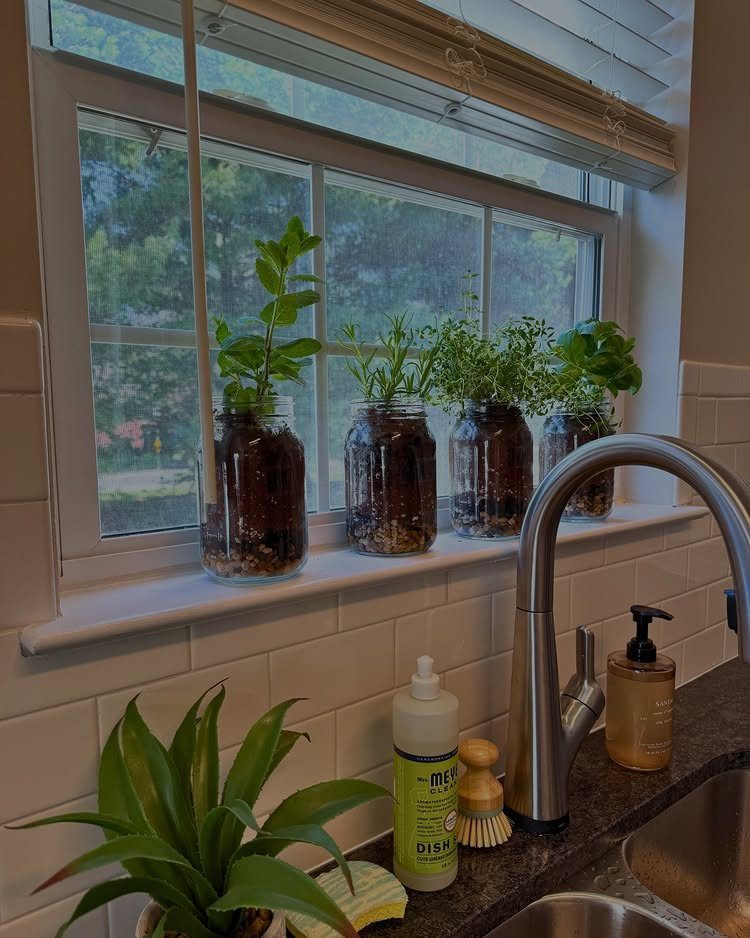
A window herb garden lives or dies by the window you pick. I tried a north-facing kitchen sink once and grew nothing but mold; direct sun is the real minimum, and more is better.
Drainage matters more than the container’s looks; those jars need holes drilled or a layer of pebbles below the soil, or roots rot in the trapped water. I use saucers, not decorative trays, because I actually empty them.
For daily cooking, the windowsill beats trekking to the yard in February. Space runs out fast on a sill, so choose herbs you use weekly and skip the rest.
7. Vertical Herb Garden
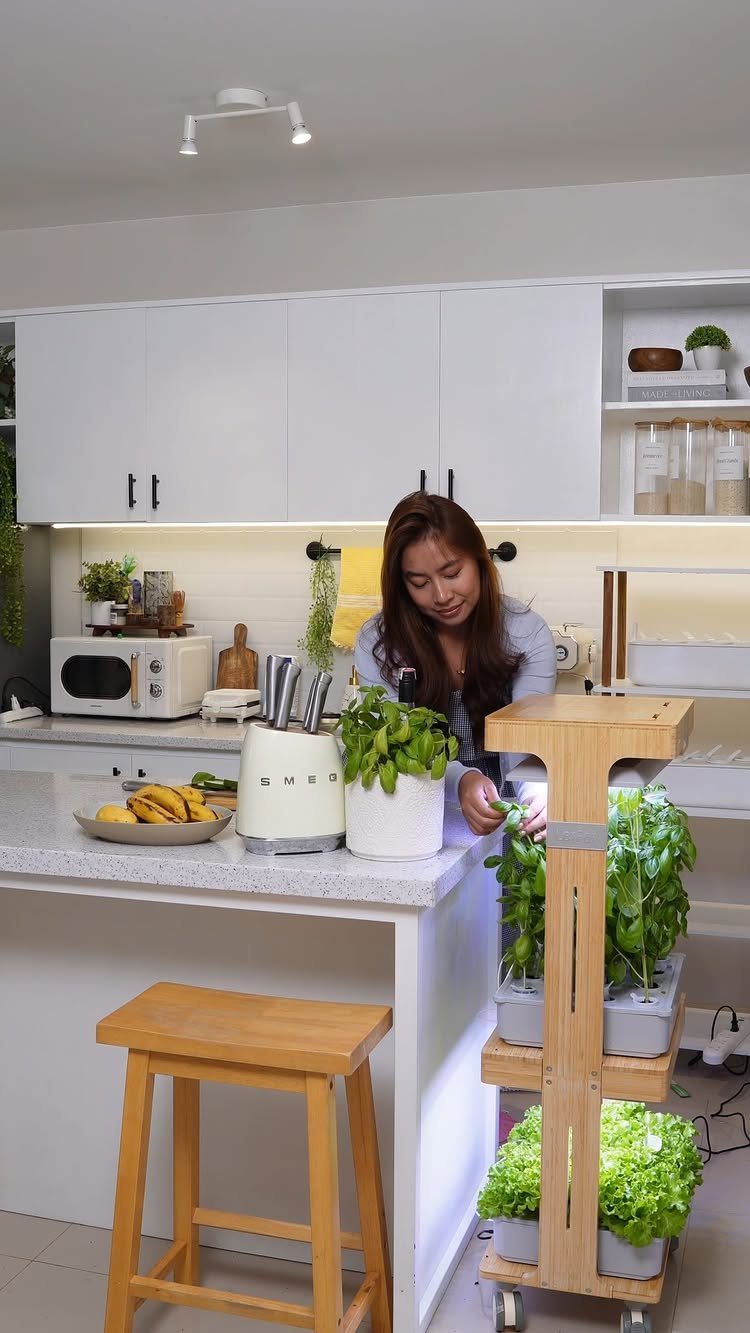
A rolling wooden tower of herbs turns the narrow gap beside a fridge or the dead space by a window into active garden.
A rolling unit on casters moves to the sink for watering and back to the light for growing.
I would build from a simple trellis or pocket planter before committing to a full hydroponic rig. A wooden plank and lightweight pots drilled for drainage cost less and forgive mistakes.
The pallet projects I see online look rustic but splinter; a store-bought trellis on a small dolly holds more soil and moves easier.
This suits renters who cannot mount shelves on walls and cooks who want snipping height, not bending height.
The trade is watering frequency: stacked planters dry from the top down, so the lowest herbs want checking even when the surface looks damp.
8. Container Herb Garden
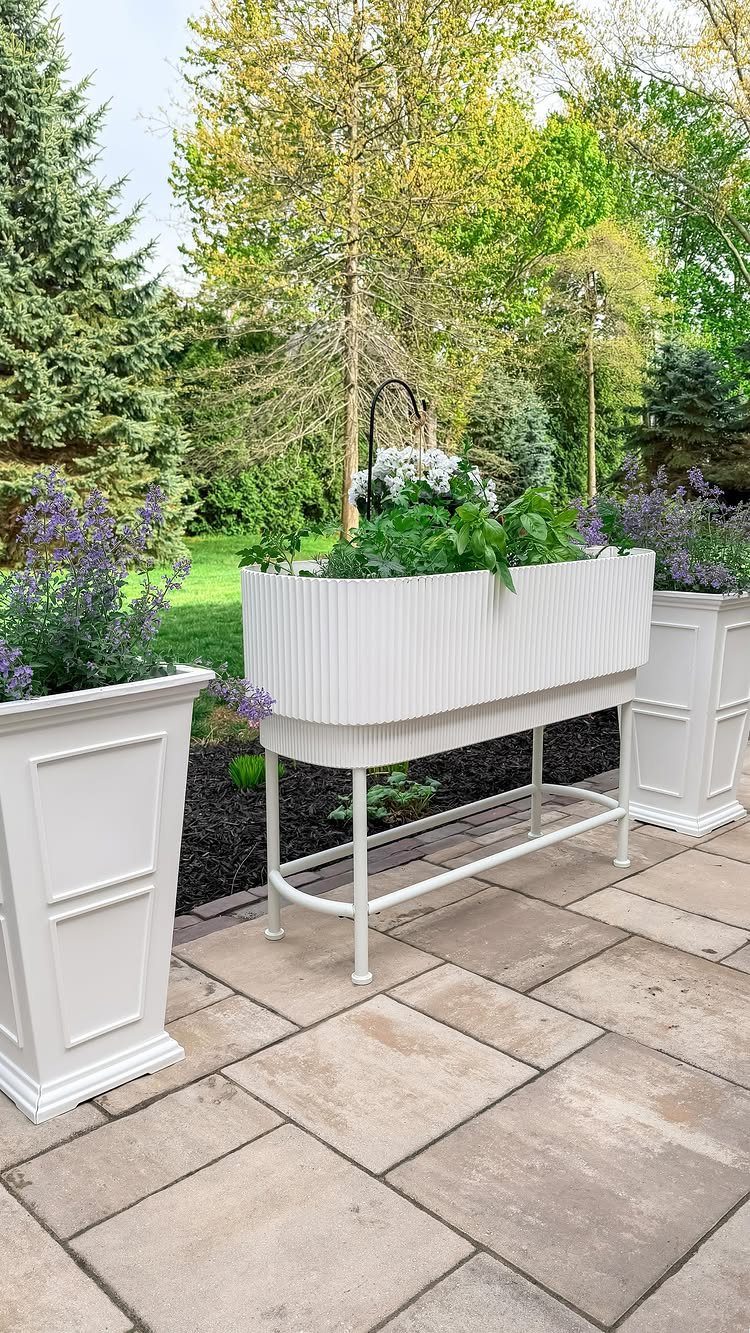
One big pot with mixed heights and textures reads as intentional garden, not clutter on a sill.
I would put thyme at the edge to drape, a tall basil at the back, and chives or purple basil for color in between.
A metal stand lifts leaves to light and keeps roots off cold stone. A matching pair flanks a door well, but a single large box on a porch or patio works if that is the space you have.
Drainage holes matter more than the pot’s looks; I have lost herbs to rot in decorative containers that held water.
This is the choice for someone who wants the garden to look finished from day one and who can carry the pot indoors before frost.
The cost runs higher than seed-starting, and a heavy planter on a stand needs a level surface.
9. Herb Starter Kits
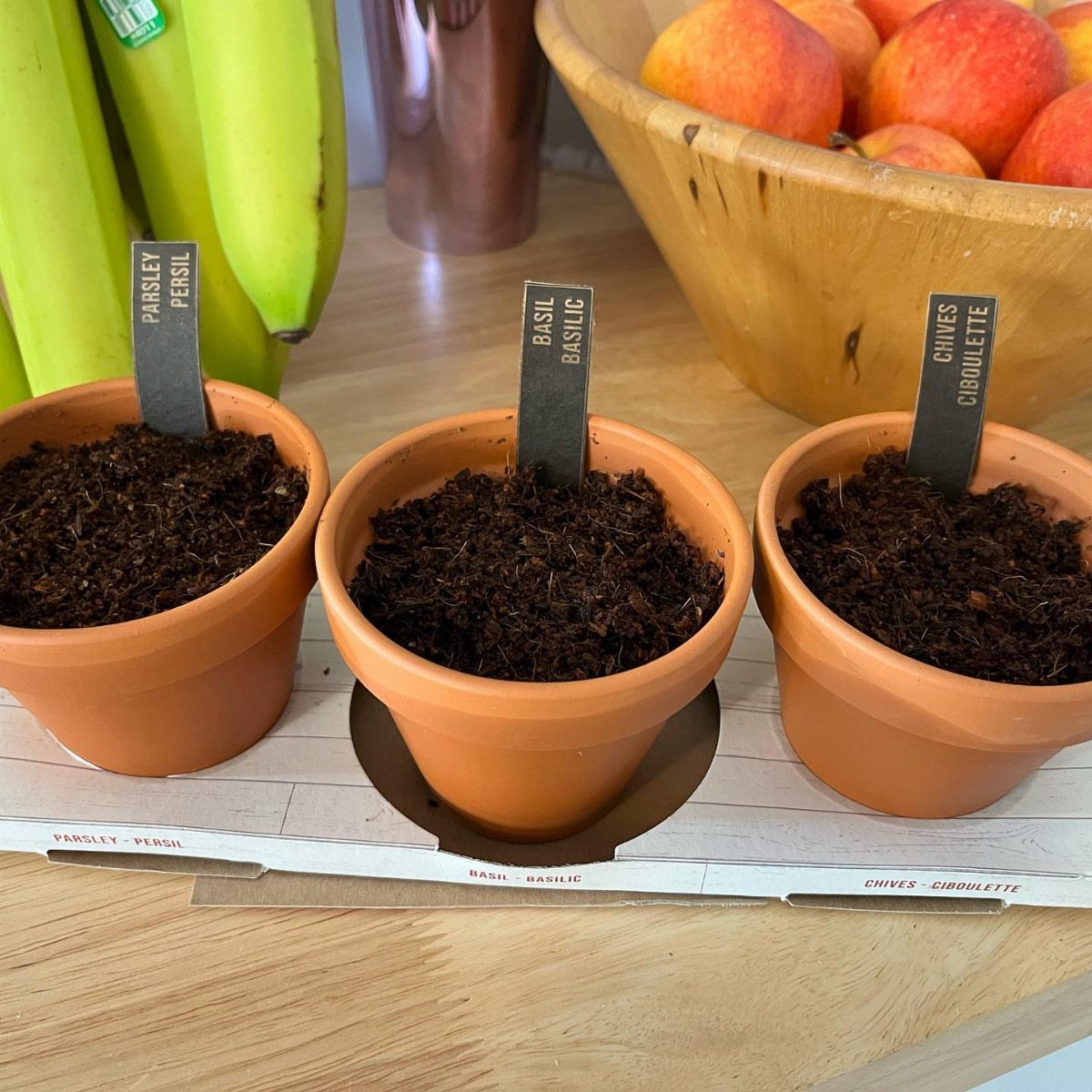
A kit with labeled pots, soil, and seeds removes the guesswork of what to buy and whether it will germinate together. Parsley, basil, and chives all want similar light and water, and that coordination matters more than the pot material.
I would check whether the kit includes drainage holes or if I need to drill them. Some boxed sets use compressed peat disks that swell when watered, which works but limits how long the nutrients last.
A kit without a light source needs a south window or a separate bulb; do not assume the box covers everything.
This suits someone who has killed a few supermarket herbs and wants a structured restart, or who needs a gift that looks capable.
Watering Advice
Overwatering kills more indoor herbs than drought. Most herbs want the top inch of soil dry before the next drink; rosemary and thyme can handle deeper dryness, while chives need steady moisture but still rot in standing water.
I lift the pot to judge weight, or stick a finger to the first knuckle rather than trusting the surface look.
Saucers collect runoff and must be emptied; a pot sitting in water wicks it back up into the root zone. In winter, when growth slows, I cut watering by half and let the plant tell me when.
Light Requirements
Most culinary herbs want direct sun for as much of the day as you can give them, and more light means sturdier plants.
A south-facing window in the Northern Hemisphere delivers this in summer; east-facing works for thyme and parsley, but basil and rosemary grow leggy and bitter without stronger light.
A north-facing kitchen window is not enough light for herbs; the soil stays damp and the plants weaken. LED full-spectrum bulbs run cooler than old fluorescents and fit ordinary sockets.
I run mine on a timer for a long stretch each day to match summer light, and the timer means I do not forget. Without enough light, flavor weakens and stems stretch thin; no amount of fertilizer fixes that.
Soil Preferences
Rich, moisture-holding mixes meant for vegetables cause trouble; herbs grow leggy and mild in soil too fertile, and roots stay wet too long.
I use roughly one part drainage material to three parts mix, more for rosemary and sage, less for chives and parsley.
Unglazed terracotta pulls moisture from the soil and helps the forgetful overwaterer; plastic and glazed ceramic need a lighter hand and more perlite.
I skip the pebble layer at the bottom; it creates a perched water table that keeps roots soggy, and a single drainage hole beats a false layer every time.
For a mixed container, I match herbs with similar soil needs rather than forcing moisture-lovers and dry-soil plants into the same root zone.
Fertilization Tips
Herbs in small pots exhaust their soil in a few months, but heavy feeding is not the fix.
I fertilize at half the label strength, half as often as the bottle suggests, and only during active growth from spring through early fall. In winter, when light is weak, fertilizer salts build up in slow-growing roots and burn them.
A balanced liquid organic feed, 5-5-5 or similar, works fine; the high-nitrogen formulas push leaf growth at the expense of the oils that carry flavor.
I flush the pot with plain water every fourth watering to prevent salt buildup on the soil surface. If leaves look pale despite good light and proper watering, I feed once and wait before deciding if more is needed.
Most of the time, the problem is something else.





