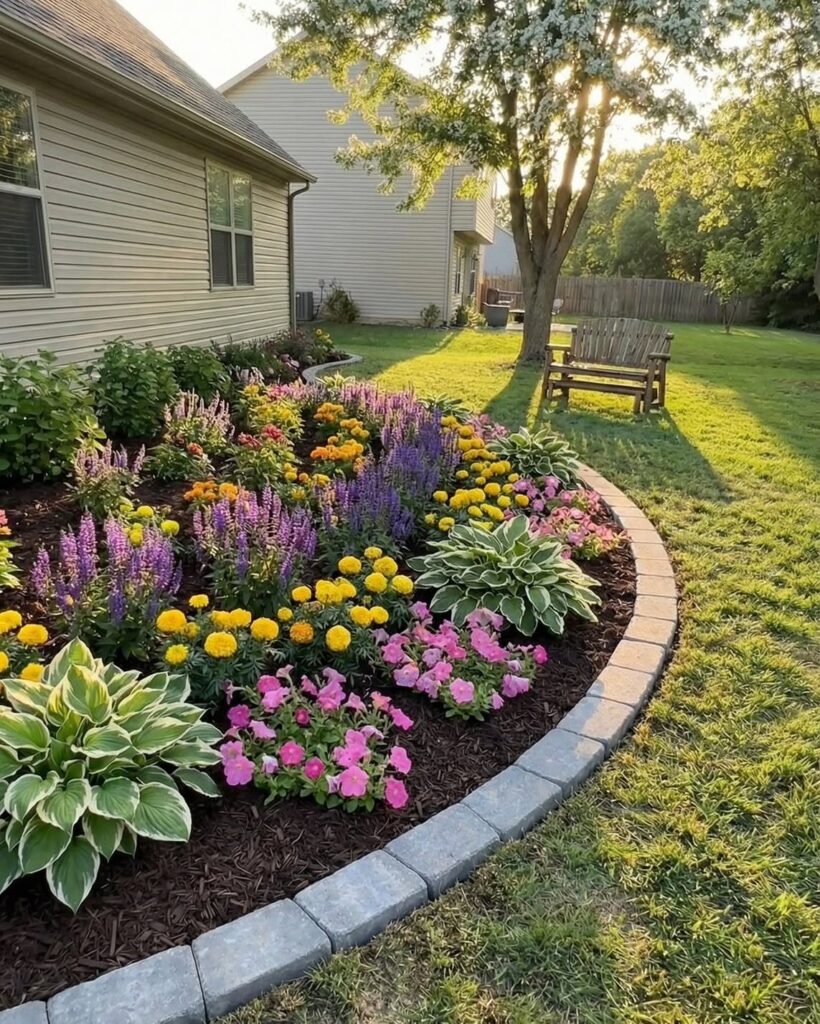
Stone raised flower beds can run from a bag of landscape adhesive and an afternoon to a full wall that takes a weekend and a rented plate compactor.
The ideas below start with ground cover between pavers and end with the maintenance that keeps the wall standing. What separates one idea from another is how permanent you want the structure to be.
Landscape adhesive makes a bed you can still take apart, while a stacked stone wall with buried courses is meant to stay put for years.
The 12-inch paver spacing and the ⅛" plywood subfloor layer I found under old vinyl are not in this list, but the 100-degree sun that Scotch moss survived is, and so is the 24-hour cure time on that adhesive before you load the wall with soil.
1. Plant Ground Cover
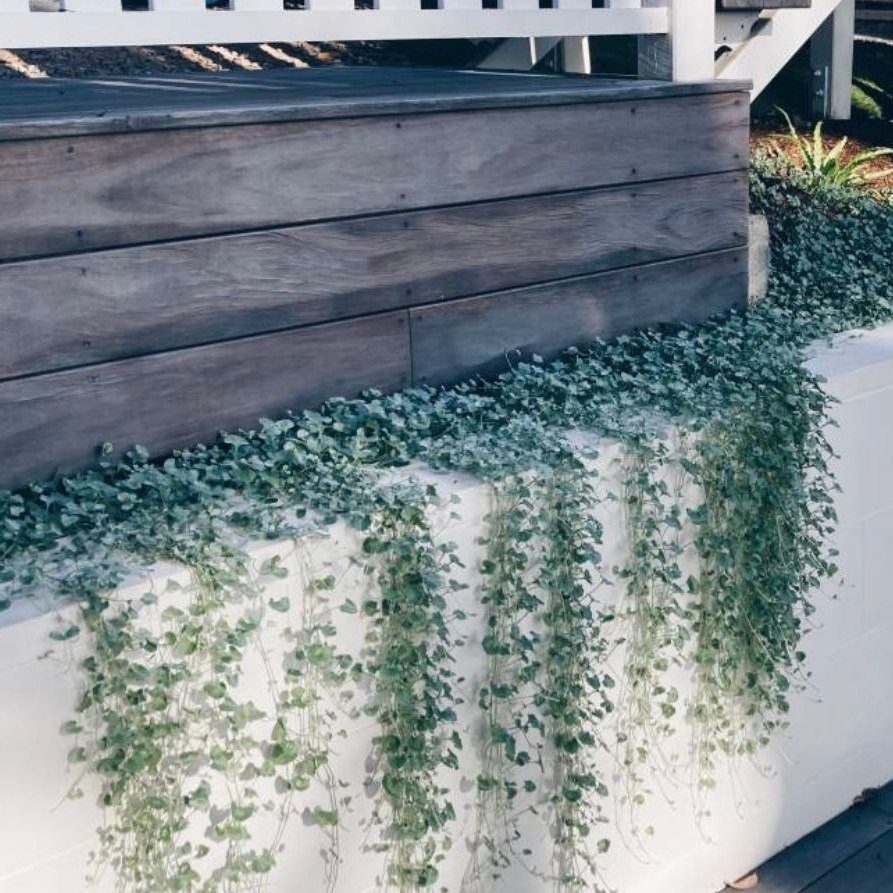
Ground cover planted around the base of a stone bed softens the edge and keeps mud from splashing up during rain.
Sedum tiles and Scotch moss have both held up through snow, heavy rain, and 100-degree sun in the Pacific Northwest with no attention at all.
Tear sedum tiles into pieces small enough to tuck between stones, checking that each cut includes a few varieties for interest, and space them where they can spread.
Scotch moss grows into soft mounds that feel good underfoot once it fills in. Either one works for a gardener who wants the area around the bed to look finished without adding weekend tasks.

4' Stone landscaping border wall

8-Pack Faux Stone Garden Edging: Includes 8 gray landscape edging panels designed to create a clean stone-look border for flower beds, lawns, mulch areas, walkways, patios, and paths
2. Raised Garden Bed Stone Walls
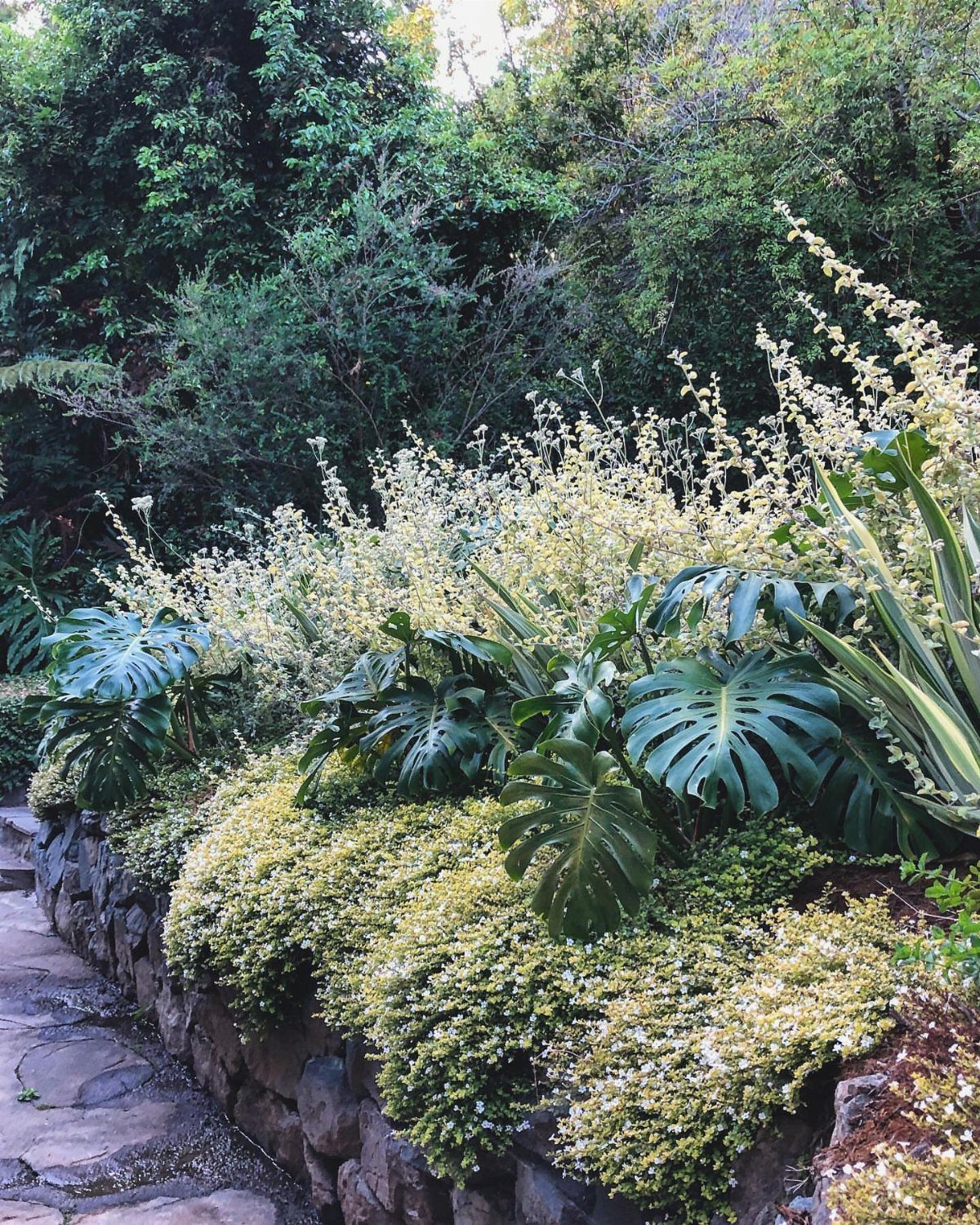
Solid blocks of Indiana Limestone split to a natural face give a raised bed wall that will not rot, warp, or need replacing.
The stone keeps soil temperatures steadier than wood does, which can stretch the growing season by a few weeks, and the drainage stays excellent without drying out too fast.
Backfill behind the wall with paver gravel and sand for extra support before adding soil. The blocks can be cut to length if your site needs a custom size.
I would put this material at the top of the list for anyone building a permanent vegetable bed or deep perennial border where the initial work needs to last.

Real Stacked Stone Look: Hand-painted faux stone and rock texture with deep 1.38 in relief for natural shadows; lightweight PU stone veneer gives a true stone look without the weight


Realistic stone appearance: These panel corners feature a realistic stone texture and appearance, giving your walls a natural and luxurious feel
3. Add a Trellis
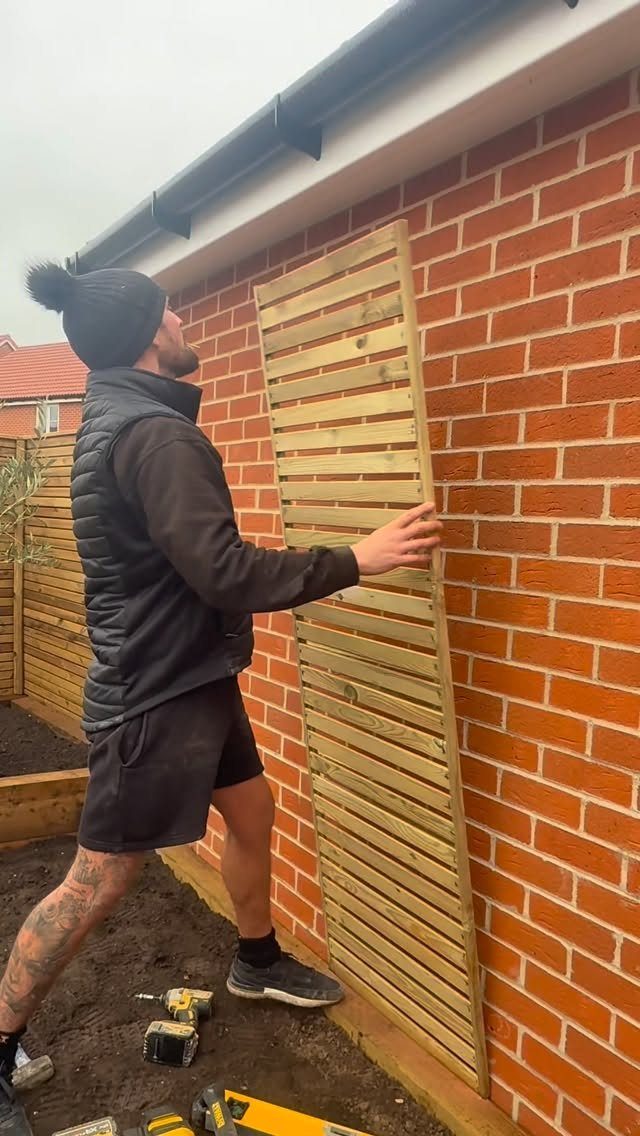
A trellis fixed to the back edge of a stone raised bed gives climbing beans, peas, or mandevilla the vertical run they need without stealing bed space for stakes.
The same screen of leaves that helps the plant can block a view you do not want, once it fills in.
Mount it to the bed wall or anchor it into the soil behind; either way, set the base before the bed is fully planted so you are not threading roots around posts later.
This suits a bed placed against a house wall or a property line where height is an advantage, not a problem.

3 IN 1 Raised Garden Bed with Trellis: This YITAHOME garden bed kit pairs 2 raised beds and two 87-inch arched trellis with climbing net, capable of holding 400 gal of soil.The arched trellis provides sturdy support and ample growing space for vines, guiding them upward to maximize sunlight and airflow

【Sturdy Metal Support for Climbing Plants】 Constructed with thick, powder-coated metal tubes and reinforced connectors. This U-shaped garden trellis provides stable upward support for cucumbers, tomatoes, peas, beans, and melons. The rigid frame helps maintain plant structure for better airflow and cleaner growth

What You Get: This bean trellis garden set includes a 50 x 54-inch A-frame cucumber trellis, trellis netting, a 46 gallon fabric raised garden bed, plant clips, plant twist ties, zip ties, a pair of garden gloves, and a roll of garden wire. This comprehensive plant trellis set is ideal for all climbing plants needs, offering excellent support for cucumbers, tomatoes, and other climbing vegetables.
4. Use Brick
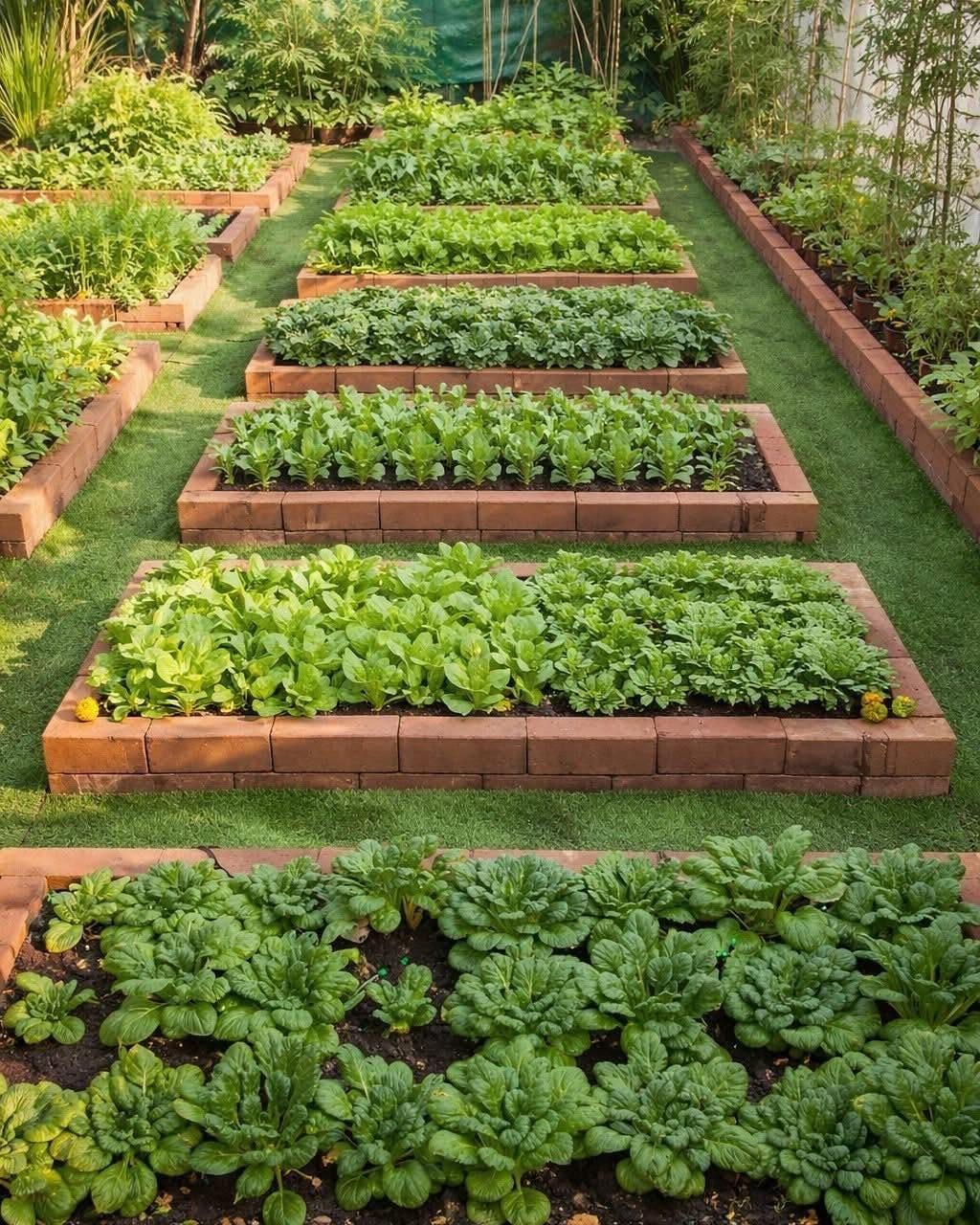
Brick raised beds carry the same material as your house or patio through into the garden, which reads as intentional rather than improvised.
Standard running bond in reddish-brown brick, laid in neat rectangles on lawn, carries enough formality that the vegetable garden reads as part of the landscape design.
Brick costs more than wood and takes longer to lay, but it will outlast any lumber by decades and never needs sealing.
Match the brick to your home’s existing hardscape if you can; the closer the match, the more the garden looks like it was always there.

Builds strong retaining walls and stonework
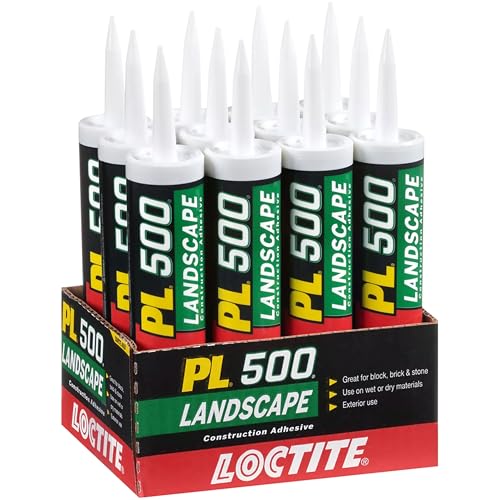
Heavy Duty Adhesive: Formulated specifically for outdoor landscaping projects like installing cement paving stones or securing cap stones

Prevents Wall Shifting: High-performance formula securely bonds stone, block, timber and brick, helping stabilize retaining walls, capstones and hardscape installations.
5. Install a Paver Stone Pathway
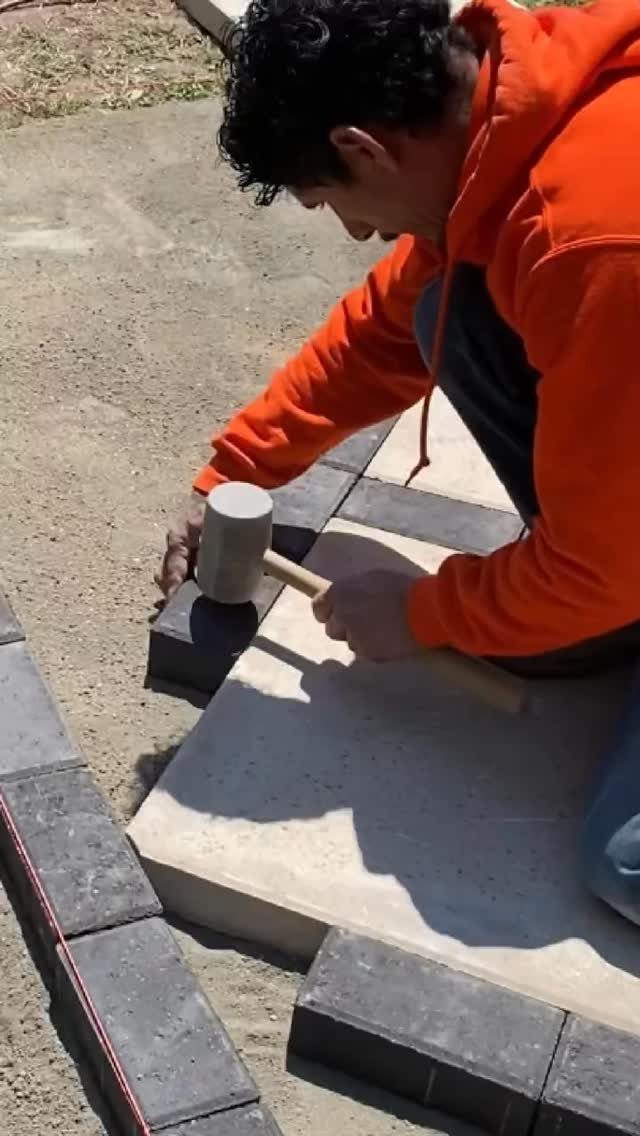
Paver stones between beds keep your boots out of mud and give you a level surface for a wheelbarrow.
Square pavers at 12-inch centers feel natural for my stride, but walk your own spacing before you set anything; 11 inches or 14 inches may fit your site better than your first guess.
Level the sand base carefully, because pavers show every ripple, and tap each one in with a rubber mallet. Flagstone forgives more unevenness if precision is not your strength.
A path wide enough to let you work both sides comfortably saves you from constant turning around; going narrower saves material but costs you in steps.

LOW-GROWING, PERENNIAL BEAUTY: Our Acre Sedum succulent seeds grow 2-3 inches tall, forming dense, spreading mats of foliage that return yearly with minimal effort. As hardy ground cover plants, they adapt well to gardens, areas with garden rocks, and containers. Their compact growth makes them ideal for ground cover, edging, and stabilizing soil in various planting areas.

READY TO PLANT: Includes 12 Scottish Moss (Sagina subulata ‘Aurea’) starter plants in 2.5″ cubes. Each plant is well-rooted and ready to thrive. Natural variations in size, color, or seasonal appearance may occur.

LOW-GROWING, PERENNIAL BEAUTY: Our Summer Glory Sedum succulent seeds grow 4-6 inches tall, forming dense, spreading mats of foliage that return yearly with minimal effort. As hardy ground cover plants, they adapt well to gardens, areas with garden rocks, and containers. Their compact growth makes them ideal for ground cover, edging, and stabilizing soil in various planting areas.
6. Use Locally Sourced Stone
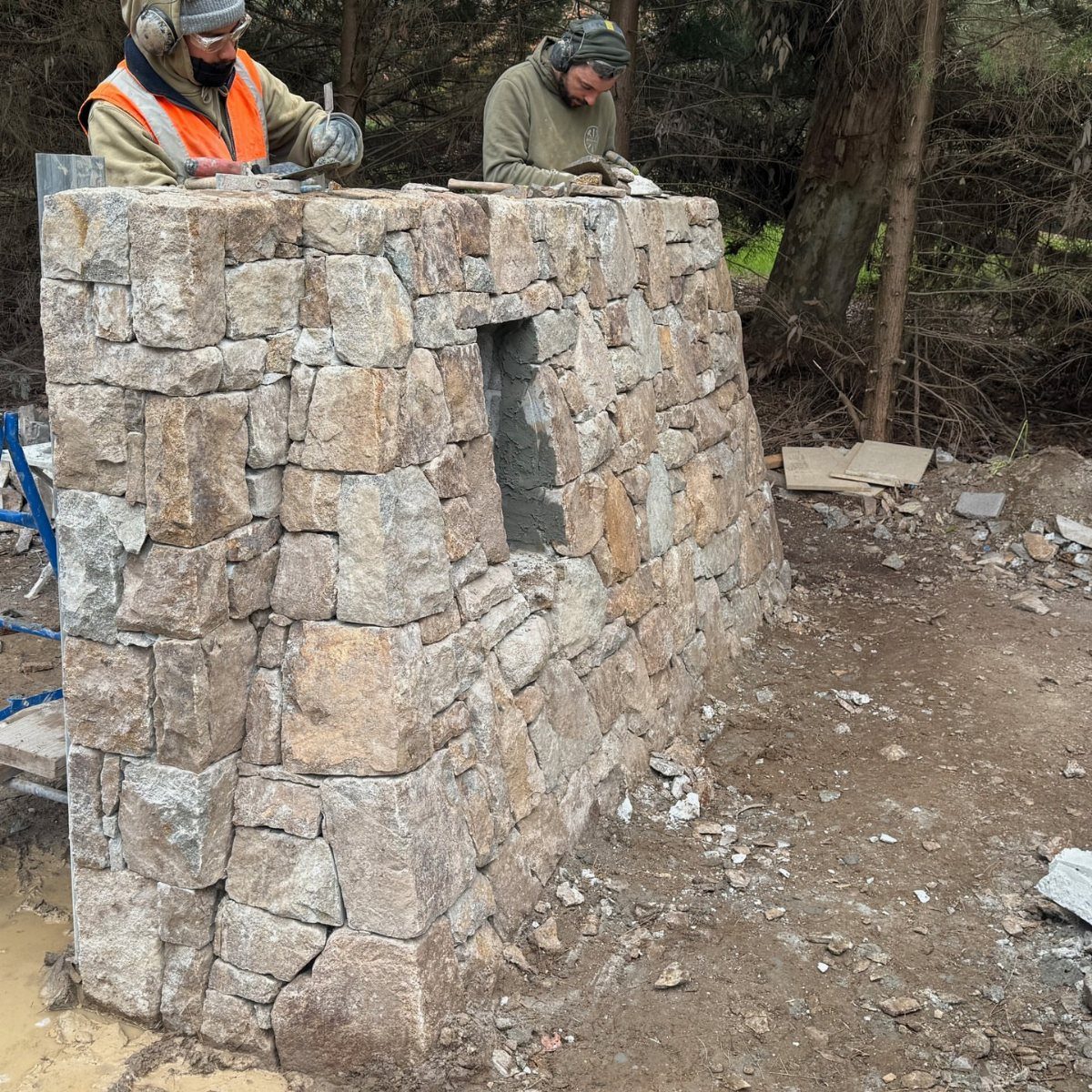
Stone quarried within a few hours of your yard burns less fuel in transit and usually costs less delivered, though the exact distance depends on where you live and what rock your region has.
Ask the yard for the source; if they do not know, that is worth noting. Local stone also tends to look like it belongs in your landscape, because it is the same material already in the ground.
The environmental argument is real but secondary: the main win is a bed that will not shift, rot, or need replacement, built from something you could find yourself if you had time and a backhoe.
Check whether your supplier stocks limestone, granite, or fieldstone from nearby quarries before you fall for a pallet of something shipped cross-country.

Get a Carefully Trimmed Garden Appearance: 8-piece set with artificial stone edges provides you with the charm of a natural garden view; You no longer need physical labor because the garden no longer requires digging or shoveling, experiencing the ultimate combination of convenience and beauty, maintaining the attractiveness of the garden

Generous Planting Space: Ample bed space provides your plants and vegetables with room to thrive, promoting healthy growth and robust yields.

HOW WEED BARRIER WORKS - Mulching the soil with this weed barrier fabric can effectively retain soil moisture, increase soil temperature, promote root development to improve the yield and quality of plants. The soil temperature in the plants’ root concentration area can be increased from -5℃ to above 5℃ in at the beginning of spring. It can be raised to above the starting temperature of growth to maintain a certain growth of roots
7. Consider Stone Color Themes
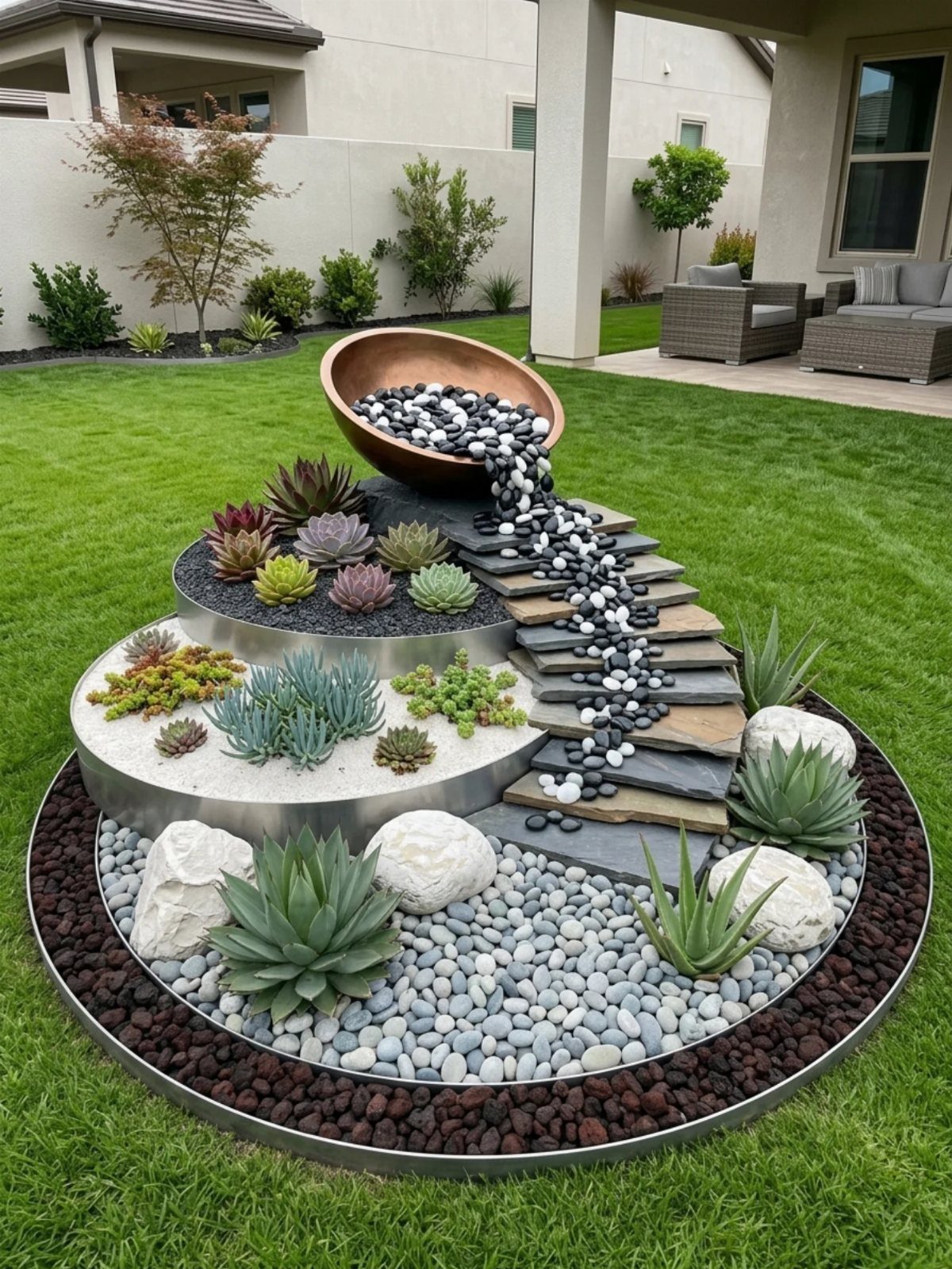
Color coordination sounds fussy until you try it. I started matching blooms to the grey limestone edging I had leftover from a patio job, and the bed looked intentional instead of accidental.
Warm stones like peach or tan pair with orange and pink blooms, plus a hit of chartreuse for energy. Cool grey or slate beds need the opposite: blues and purples keep the eye from flattening everything into one tone.
The contrast is what gives the bed depth, not the matching.
Seasonal rotation keeps it from going static. I swap in annuals when the perennials fade, staying in the same family so the stone still belongs.
Starter plants each round run less if you split and overwinter what you already have.
This suits someone who gardens for the look as much as the harvest. If you grow mostly vegetables, skip the color theory and plant what you like to eat.

Brand & Scale: Chooch Enterprises scenery product for HO scale layouts.
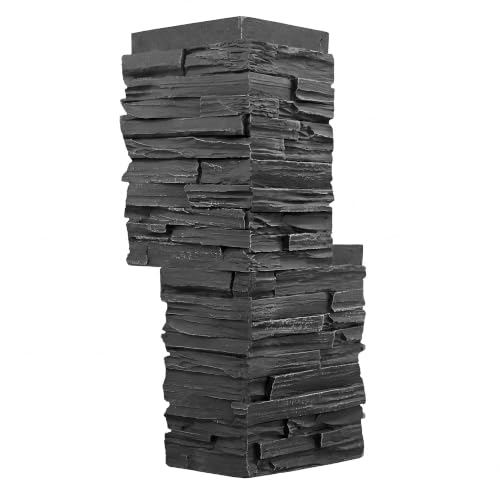
Realistic Stone Texture with PU Material – Accurately reproduces natural stone's 3D texture and fine details, looking realistic from afar and delicate up close, easily elevating a space's sense of luxury.

8. Use Landscape Adhesive
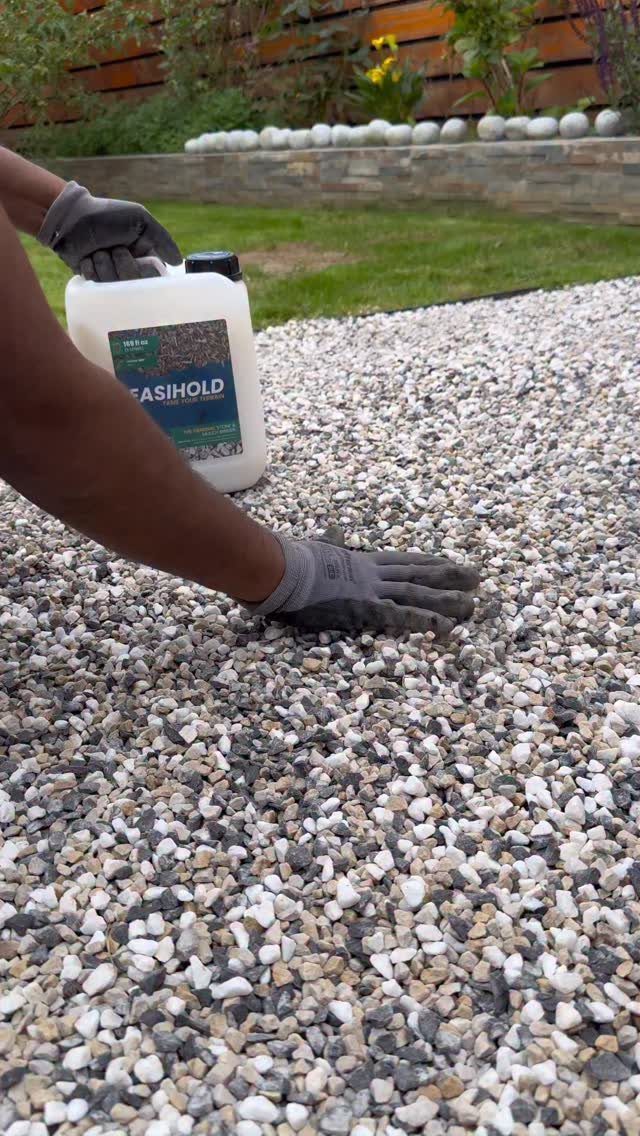
Dry-stacked walls shift. I learned that after one frost heave sent my first bed an inch out of plumb, and I spent a Saturday rebuilding it.
Landscape adhesive fixes that. I run a bead between courses, especially on the cap row, where the most movement happens.
A single tube covers a stretch of standard block, so grab a couple extra for a small bed and you will not be making a second trip.
For a cleaner face, match the adhesive color to the stone if you can; grey on grey disappears, tan on grey does not. The bond sets in hours but needs 24 hours before you load the wall with soil.
This adds some cost to a small bed and saves the rebuild. I would not use it on a wall I planned to move next year; the stuff holds.

Cucumber Trellis Kit Includes: the complete garden cucumber trellis includes 6 curved tubes, 22×40cm straight stakes,4×32 cm straight stakes,5 equal cross connectors, 4 four-way connections, 6 equal tees, 2 straight connectors,1 * 3m garden netting,1 garden glove,100 garden ties, 20 plant support clips, 1 twist tie, 1 complete installation instruction. Garden trellis for cucumbers provides strong support for your plants to help you achieve better harvests

Customizable A-Frame Structure: Elevate your garden with our versatile Adjustable-size A-frame garden trellis for cucumbers. Crafted with 37 straight stakes of 15.74 inches, 2 longer straight stakes of 18.1 inches, 4 A-Fork connectors, and 4 straight connectors, this trellis adapts to your garden's needs, providing optimal support for cucumber plants and other climbing vegetables.

All-in-One Gardening System: This premium Garden Bed kit includes two spacious raised garden beds and a tall 87-inch arch trellis designed for climbing plants. Equipped with a climbing net for added stability, the complete set boosts both garden productivity and visual appeal.
9. Incorporate a Grid
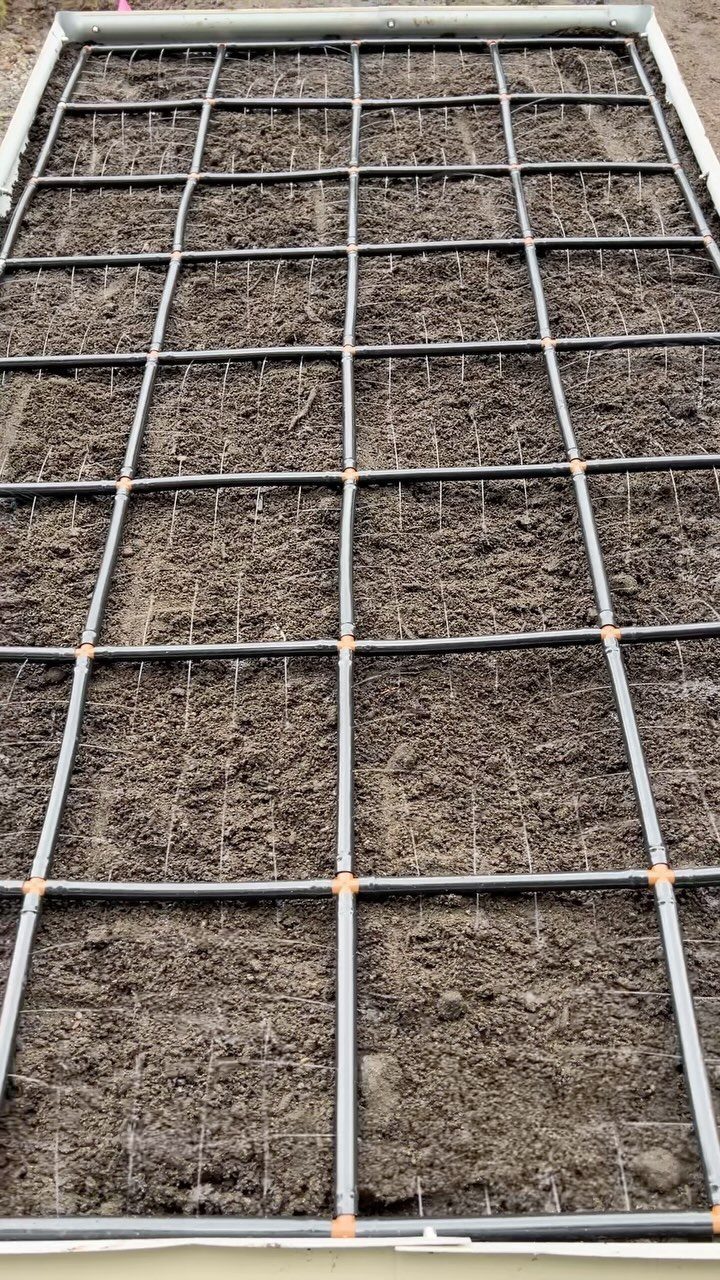
A grid turns a raised bed into a spreadsheet for plants. I laid one over dark soil last spring after crowding tomatoes into a free-for-left corner and watching them strangle each other.
Black plastic dividers split a standard bed into equal squares for separate plantings. Each square gets one plant, or one variety, and you stop guessing at spacing.
The roots will tangle underneath regardless, but the tops stay orderly enough to weed, water, and harvest without stepping on anything.
Wire grids work too and disappear faster under foliage; plastic lasts longer and costs less. Either way, measure your bed inside dimensions before buying, since standard grids come in common lengths and an odd-sized stone bed will need cutting.
This is built for the gardener who plants a handful of things in small quantities rather than one thing in rows. If you grow potatoes or squash that sprawl, the grid fights you; leave it off for those beds.

NO DILUTION NEEDED - READY TO SPRAY FORMULA: Skip the mixing & messy measuring. Our Lockscape rock glue max is ready to use straight from the bottle. Simply shake & pour into your sprayer, and enjoy professional results that lock rocks in place with zero hassle.

This product is highly durable

Prevents Wall Shifting: High-performance formula securely bonds stone, block, timber and brick, helping stabilize retaining walls, capstones and hardscape installations.
Pros of Stone Raised Beds
Stone outlasts every other raised bed material I have seen. A wall built from block or quarried rock will not rot after five seasons, warp in wet soil, or send you back to the lumberyard for replacement boards.
For anyone growing food, stone carries no chemical treatment to leach into vegetables. The environmental argument is real, though the main win is a bed you build once.
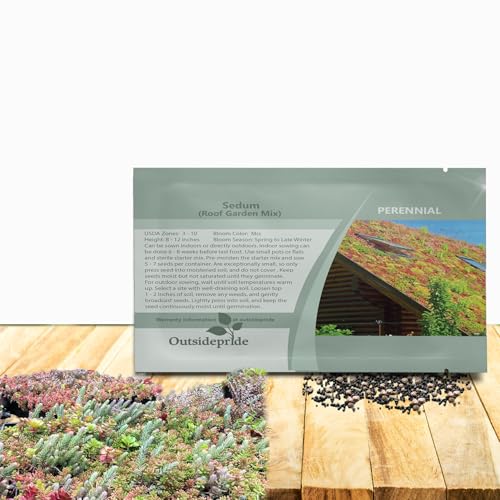
LOW-GROWING, PERENNIAL BEAUTY: Our Roof Garden Sedum succulent seeds grow 8-12 inches tall, forming dense, spreading mats of foliage that return yearly with minimal effort. As hardy ground cover plants, they adapt well to gardens, areas with garden rocks, and containers. Their compact growth makes them ideal for ground cover, edging, and stabilizing soil in various planting areas.

LOW-GROWING, PERENNIAL BEAUTY: Our Purple Carpet Sedum succulent seeds grow 4-6 inches tall, forming dense, spreading mats of foliage that return yearly with minimal effort. As hardy ground cover plants, they adapt well to gardens, areas with garden rocks, and containers. Their compact growth makes them ideal for ground cover, edging, and stabilizing soil in various planting areas.
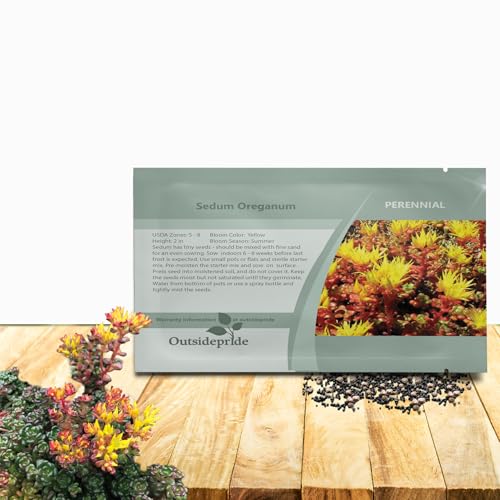
LOW-GROWING, PERENNIAL BEAUTY: Our Oreganum Sedum succulent seeds grow 2 inches tall, forming dense, spreading mats of foliage that return yearly with minimal effort. As hardy ground cover plants, they adapt well to gardens, areas with garden rocks, and containers. Their compact growth makes them ideal for ground cover, edging, and stabilizing soil in various planting areas.
Cons of Stone Raised Beds
Stone costs more than wood up front, and the gap is not small. Block, adhesive, gravel backfill, and delivery add up before you place the first course.
You also pay in time: a weekend bed in cedar might take three weekends in stone, especially if you are leveling and backfilling as you go.
The finished wall takes up more space than its footprint suggests. A 12-inch block plus footing and working room eats garden area that soil alone would not need.
Plan the path around it before you start; squeezing between a stone wall and a fence with a wheelbarrow gets old fast.
Weight is the other factor. Once the bed is built, it is not moving.
Pick your spot carefully, because shifting a stone wall is rebuilding it.
Maintenance Tips
A stone bed needs virtually no maintenance once built. The stone itself will not rot, warp, or need replacement, and any limestone will develop a natural patina over time rather than looking worn.
Check the cap stones now and then to make sure the adhesive bond is still holding, especially after hard freezes or heavy rain.
That is where the most movement happens, and a loose cap row is the first sign of trouble. If a bead has failed, clean the joint and reapply before the wall shifts.
Drainage stays excellent with stone, though you still want to make sure water is not pooling at the base and undermining your footing. The wall retains enough moisture for healthy growth without waterlogging roots.
Otherwise, the maintenance is mostly enjoying that you are not maintaining it.
Design Considerations
Match the stone to something already in your yard or house, and the bed reads as intentional rather than added later.
Brick that echoes your home’s exterior, limestone that matches a patio, or fieldstone like your region’s outcrops all do this.
Height matters more than beginners assume. A bed at knee height handles most vegetables; going higher saves your back and warms soil faster, but needs more material and a wider base for stability.
Build multiple beds at varying heights and you get a terraced effect that breaks up a flat yard.
Shape is flexible. Rectangular is standard, but L-shapes, U-shapes, or circular beds all work with cut stone or consistent block lengths.
Random lengths give a relaxed look; keeping each course even reads as formal. Add matching pavers for paths or steps and the whole garden ties together.
Speaking of stone, if you love the material but can’t build something major like a staircase, use it on a smaller scale. Swapping out traditional wood or metal raised garden beds for stone dresses up your yard and makes the beds more durable.
Frequently Asked Questions
What are the pros and cons of stone raised garden beds?
Stone holds heat through cool nights and sheds it slower than wood on hot afternoons, which in my beds has added maybe two weeks to either end of the season.
You will also want to plan for drainage and backfill support so the wall does not shift over time.
How to make a raised flower bed with stone?
Start by leveling a solid base, then stack your stone in courses to the height you need, backfilling behind the wall with paver gravel and sand for support before adding soil.
What type of stone is best for a raised garden bed?
Indiana Limestone split to a natural face is my top pick for a permanent vegetable bed or deep perennial border, since it lasts and keeps soil temperatures steady.
Are stones good for flower beds?
Yes. Color-matched stone also reads as intentional design rather than an afterthought.