
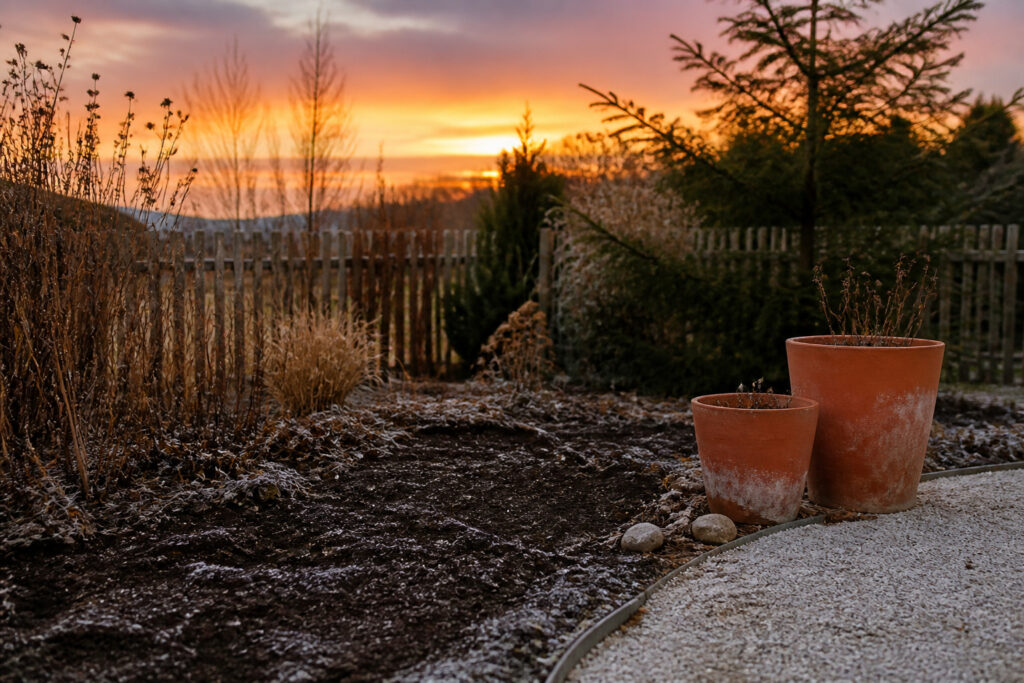
A winter garden with no snow is a garden that has lost its natural insulation, and the gardener has to rebuild that protection by hand.
Without the ninety-percent air blanket that buffers soil temperature and blocks desiccating wind, roots heave in freeze-thaw cycles and evergreen needles brown at the tips from moisture pulled faster than frozen ground can replace it.
The first morning I found pale root tips poking through glazed soil where mulch had thinned, I understood that snowless winters demand intervention, not patience.
Check Exposed Roots and Plant Health First
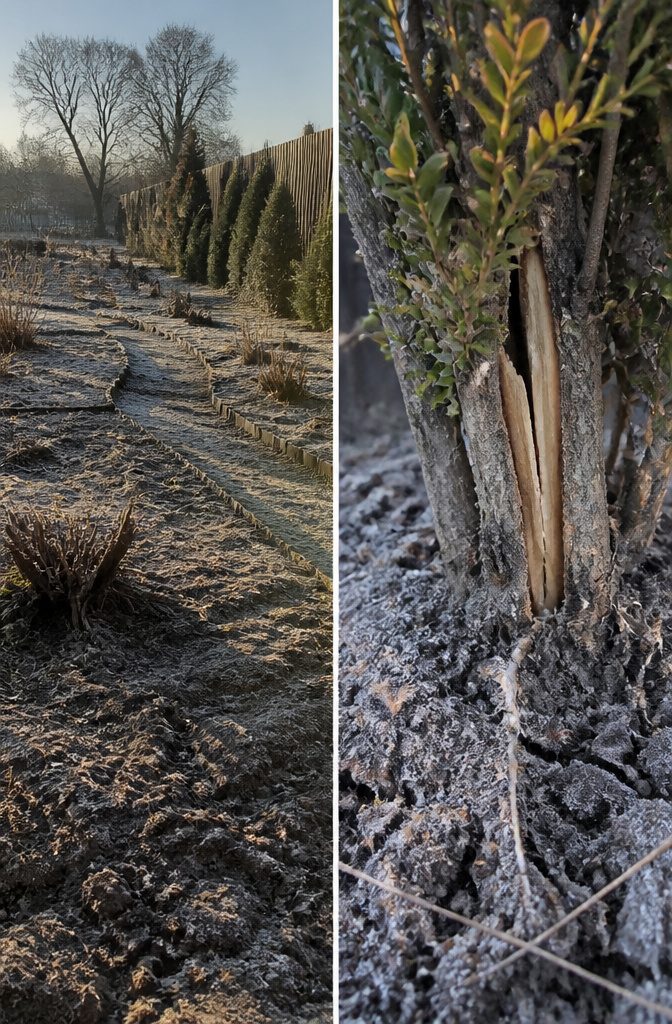
Walking the beds on a clear morning in January, the soil surface was hard and glazed where frost had worked it overnight.
Where the mulch had thinned over the season, pale root tips poked through the crust, pushed upward by freeze-thaw cycles that would have stayed buried under snow cover.
Without that insulation, roots face freezing conditions that snow would normally buffer against, and the damage shows up brittle and dry rather than plump and white.
The evergreen shrubs along the fence told the same story. Their needles were browning at the tips in patches, and the bark on the south-facing side of one boxwood had cracked open in a vertical split.
Desiccated leaf edges on the rhododendron completed the picture: classic winter burn from wind and cold air pulling moisture faster than roots could take it up through frozen ground.
These are the signs that send me to the shed for burlap or frost cloth before the next cold snap, because exposed plants in a winter garden with no snow do not wait for spring to show their damage.
Water Deeply When Temperatures Rise Above Freezing
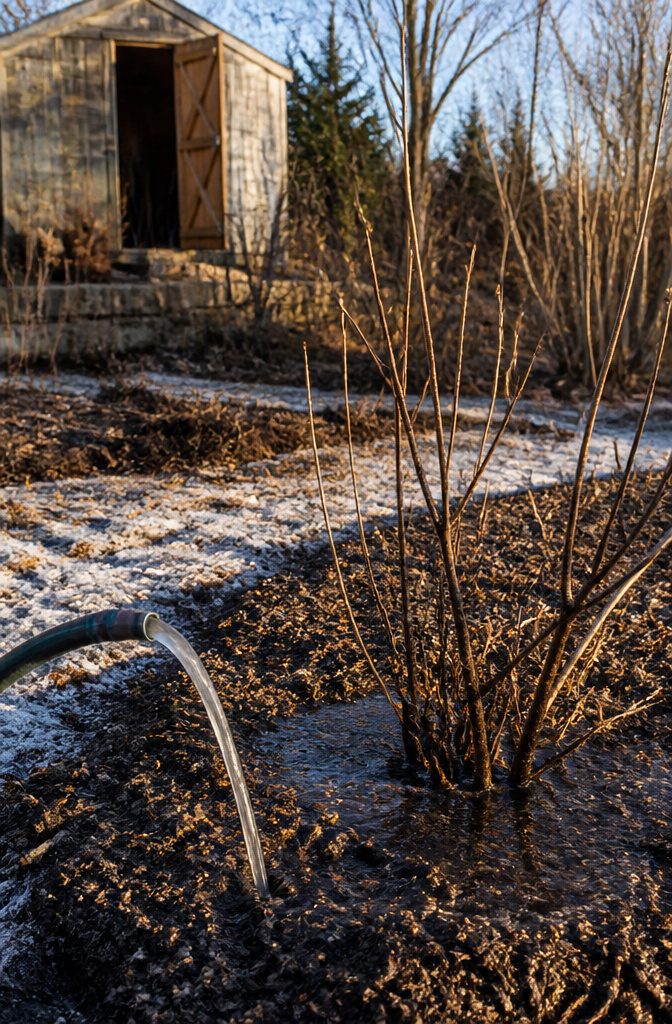
Dry winter air pulls moisture from dormant roots even when the plant above ground looks like nothing but sticks. Three winters back I skipped the hose on a borderline afternoon, figuring the hydrangea would manage until spring.
It did not. The canes leafed out, then collapsed by May, and I dug up a root ball that was dust-dry two feet down.
Water deeply when temperatures rise above freezing, and do it early enough in the day that the soil can absorb the slow soak before nightfall.
I learned that timing the hard way the year I ran the sprinkler too late; the top inch froze into a crust by morning, and I spent March waiting to see which shrubs had suffocated under ice.
A slow hose-end trickle for twenty or thirty minutes beats a quick spray that only wets mulch. Roots stay hydrated, and you avoid the rot that comes from keeping them soggy.
Spread Mulch Two to Four Inches Deep
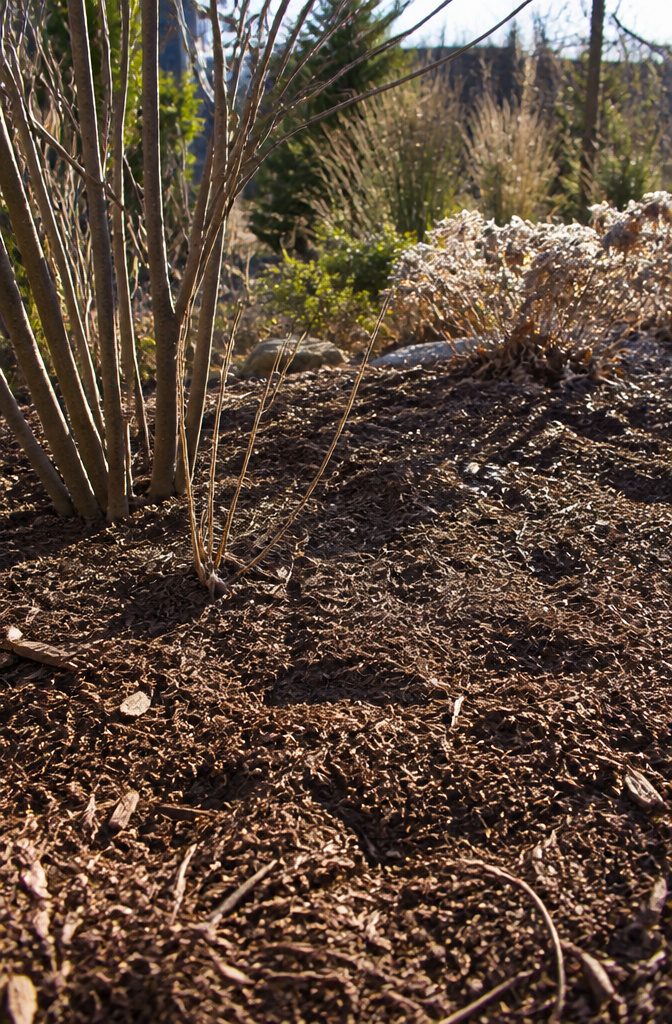
Snow insulates soil by trapping air between its crystals, and without it the ground freezes harder and dries faster.
A 2 to 4 inch layer of mulch is the manual replacement, doing the same work of buffering temperature swings and holding moisture through cold, dry months.
Organic options like shredded bark, straw, or leaf mold all break down slowly enough to last the season while letting water through.
The mistake that still costs me plants is piling mulch against trunks.
It holds moisture on bark that needs to stay dry, and it invites rodents to chew sheltered bark all winter. Keep it slightly back from stems; think donut, not volcano.
Measure beds with a tape measure, not by eye; I once guessed and came up short by half a bag. The uncovered strip froze two inches deeper and cracked the roots of a young ninebark.
Snow would have drifted to fill the gap on its own. Mulch does not self-regulate like that, so buying an extra bag beats finding bare ground after the first hard freeze.
Cover Plants with Frost Blankets on Freezing Nights
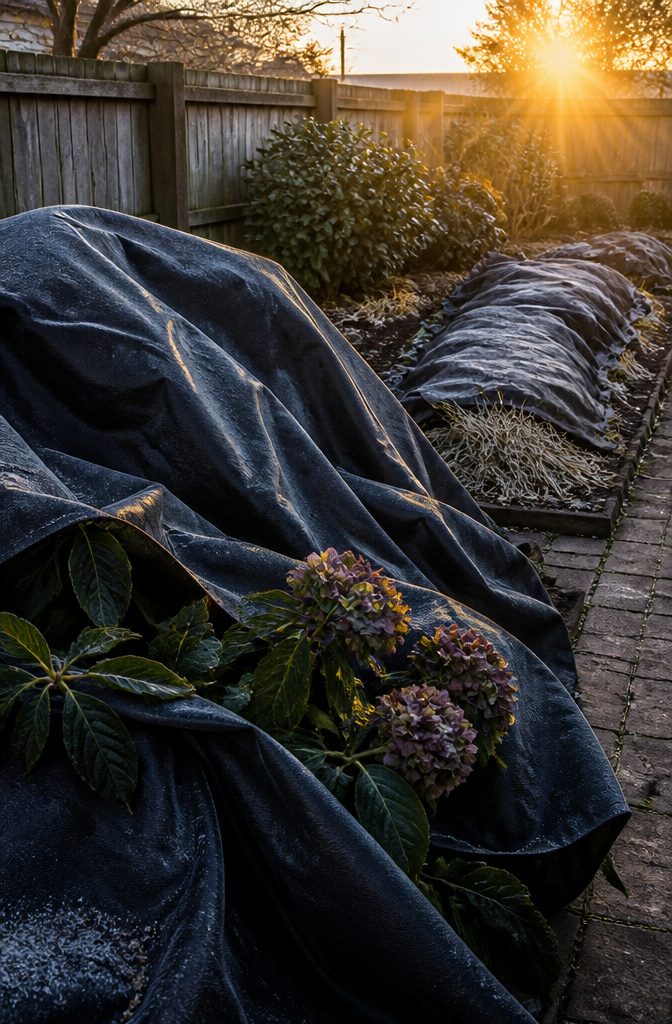
When the forecast drops below thirty, I drag out every blanket I own. Camellias get covered first, then the hydrangeas, then whatever loose fabric is left gets stretched over the herbs.
The covers have to come off the moment the sun is up; sunlight exposure during the day matters as much as the freeze protection did at night.
I learned that the hard way. One January morning I got to the garden late, and the camellia under a heavy old quilt had warmed so much in the trapped air that it cooked right there in the sunlight.
Dead blooms by noon. Real garden-center frost cloth breathes, which would have helped, but I had been using a hardware-store painter’s drop cloth as a cheap alternative.
It worked fine at night; it was the forgetting that cost me. Now I set a phone alarm for sunrise removal, no exceptions.
Build Windbreaks from What You Have
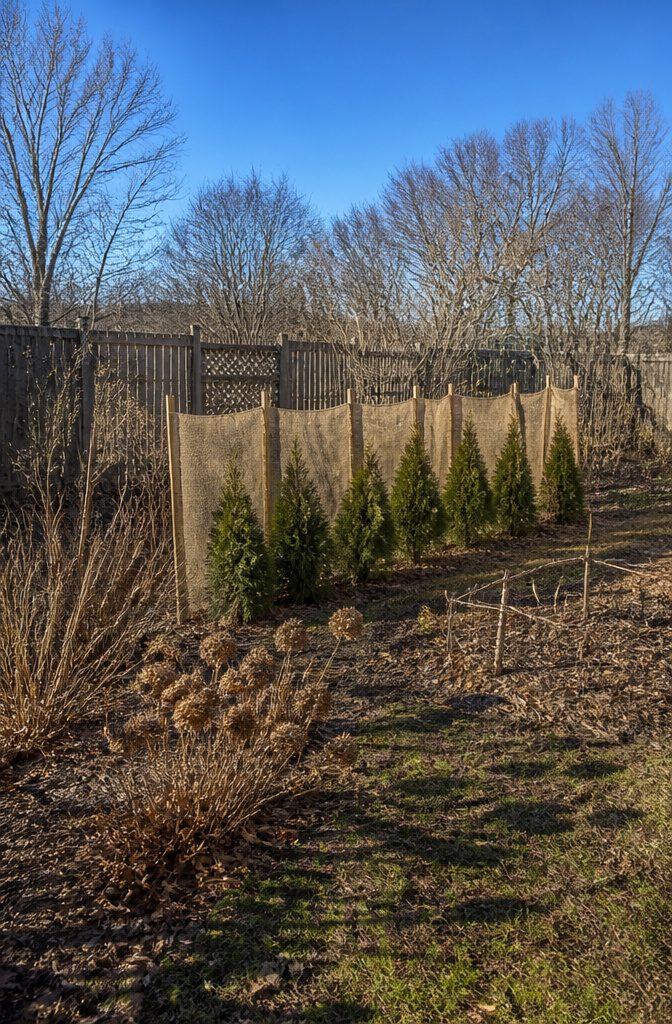
Wind strips moisture from evergreen foliage even when the cold itself would not harm the plant. In a winter garden with no snow, that desiccation becomes the real threat, and the fix does not have to be pretty.
A few years back I drove cedar stakes two feet into the ground on the windward side of a row of young arborvitae, stretched burlap between them, and stapled it tight.
The material cost maybe twenty dollars. The burlap slowed the wind enough that the needles stayed green where an unprotected hedge three houses over browned out by February.
Burlap works because it breathes; plastic sheeting traps moisture and can cook plants on sunny days, so I skip it.
Wooden screens built from old fence sections do the same job with more structure.
Lean them against stakes at an angle so wind goes up and over rather than straight through. I have also seen straw bale walls used effectively, though they sag by spring and need clearing before planting season.
The windbreak should sit close enough to matter but not so close that it rubs branches in a gust.
Six to twelve inches from the foliage is the workable range. Leave the top open; you want deflection, not a greenhouse.
Watch for Pests That Snow Would Have Killed
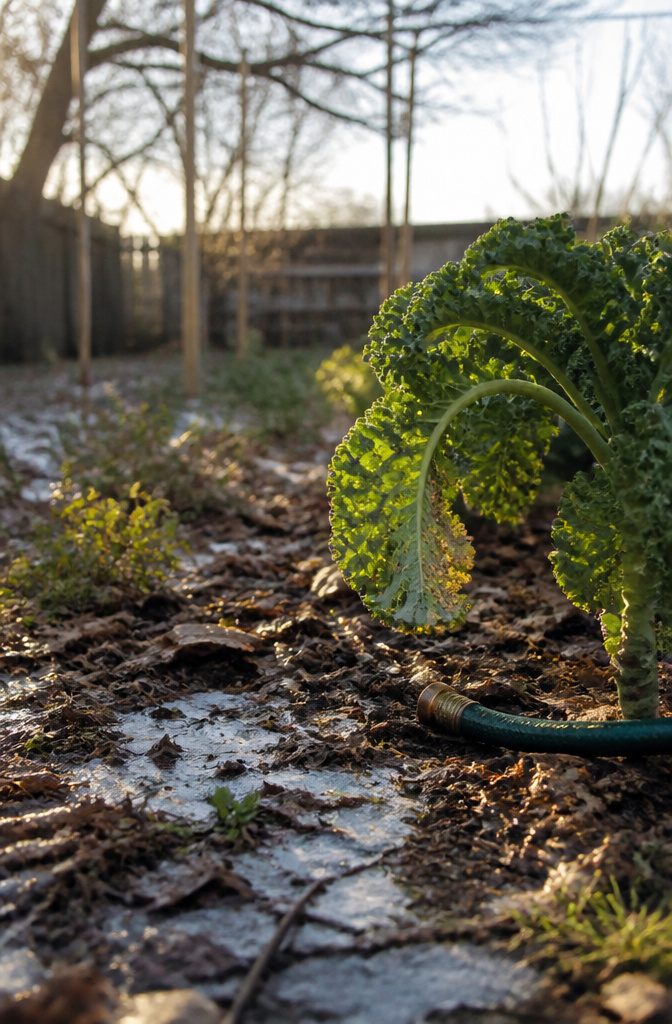
Aphids do not always die back when the calendar flips to January.
Two winters ago, on a day that hit the mid-forties, I found clusters of them green and active on the undersides of my kale, something I had never seen that late.
Without snow cover to freeze the soil surface and send temperatures low enough to break their cycle, they had kept feeding. The same mild stretch brought out beetles I usually do not see until March.
Snow does more than insulate roots. It buries the leaf litter and debris where pests overwinter, and it keeps soil temperatures low enough to slow reproduction.
Take that away and you get vole tunnels running across bare ground where snow would have hidden them, plus active insects with nothing to check their numbers.
A hard spray of water still works in cold weather if you catch a mild afternoon.
The hose lives in my garage through winter, so I run it for a minute to clear ice, then knock aphids off stems with direct pressure.
Beneficial insects like ladybugs are harder to rely on when temperatures drop; they slow down or die back too.
Neem oil and insecticidal soap work poorly below fifty degrees and can damage leaves if frost follows within a day or two.
The real limit is timing. Manage what you see on the occasional warm day, but accept that real control waits for consistent spring weather.
Prune Storm Damage Cleanly
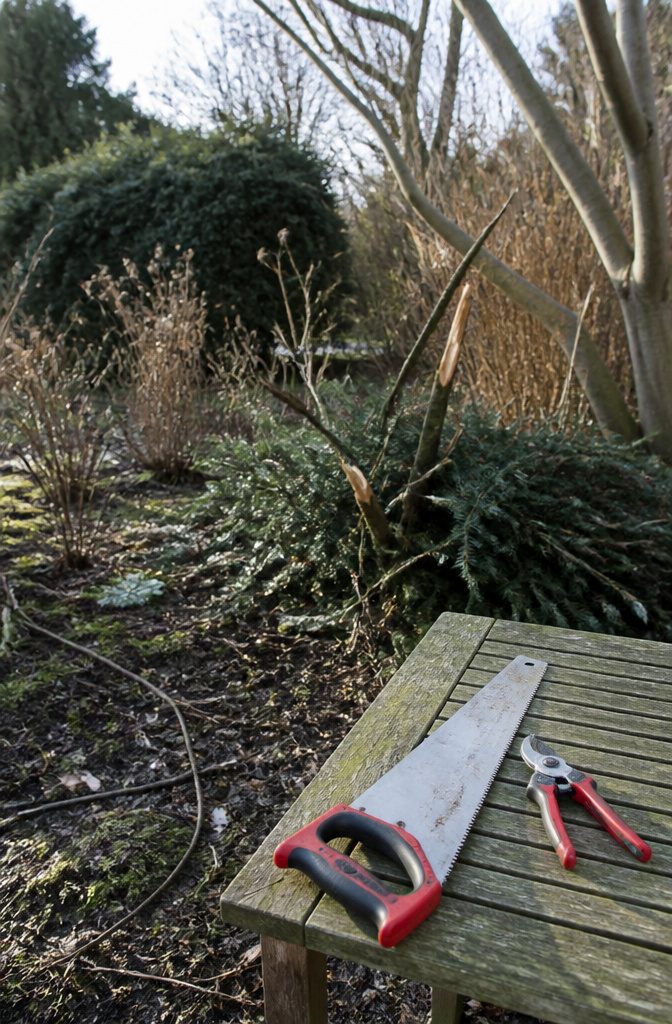
Ice does more damage when you try to knock it off. Frozen wood is brittle and breaks easily, so let it melt naturally whenever possible.
After the storm, walk the garden slowly and look up. Split branches and clean breaks are easy to spot; tears that leave ragged wood need trimming back to the collar, the swollen ring where branch meets trunk.
My usual kit is a pair of bypass pruners for anything under finger thickness, a folding saw for heavier wood, and a pole pruner for the high stuff I would otherwise climb for.
Sharp matters more than expensive; dull blades crush cells around the cut and invite trouble.
Wait until the worst of winter has passed but before spring growth begins in earnest. Pruning too early can stimulate new tissue that freezes again, too late and you are cutting into the season’s energy.
A winter garden does not need perfection. It needs patience, one clean cut at a time.
Check Soil Moisture and Compaction
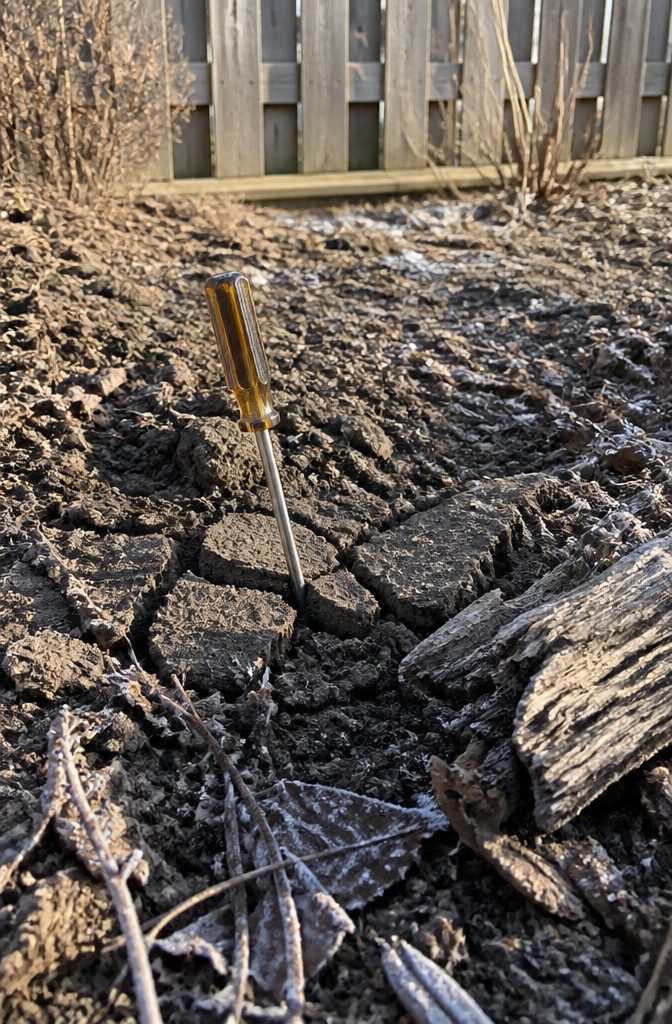
Clay soil in a dry December will crack wide enough to wedge a trowel into, and that is your first warning. Without snow’s slow melt seeping down, the top layer turns to dust while everything below stays locked tight.
I check dryness by pushing a screwdriver straight in; if it stops at the handle and comes out clean, the ground is too far gone for roots to draw anything.
Compaction shows up different. After a hard freeze followed by a warm spell, watch for water that sits in saucers instead of sinking, or a surface that has crusted into plates.
That crust is the footprint you left three weeks ago, now frozen in place.
Aerate in late fall, never midwinter; I learned that the year I ran a broadfork through thawed clay in January and sheared through fibrous roots that had no give left in them.
The plants leafed out late and small, and some never recovered.
The cycle you are fighting is dust to mud and back again.
Water deeply when a warm day opens the ground, then let it rest. Roots need air as much as moisture, and frozen, packed clay gives them neither.
Map Where Snow Would Have Melt for Spring Planning
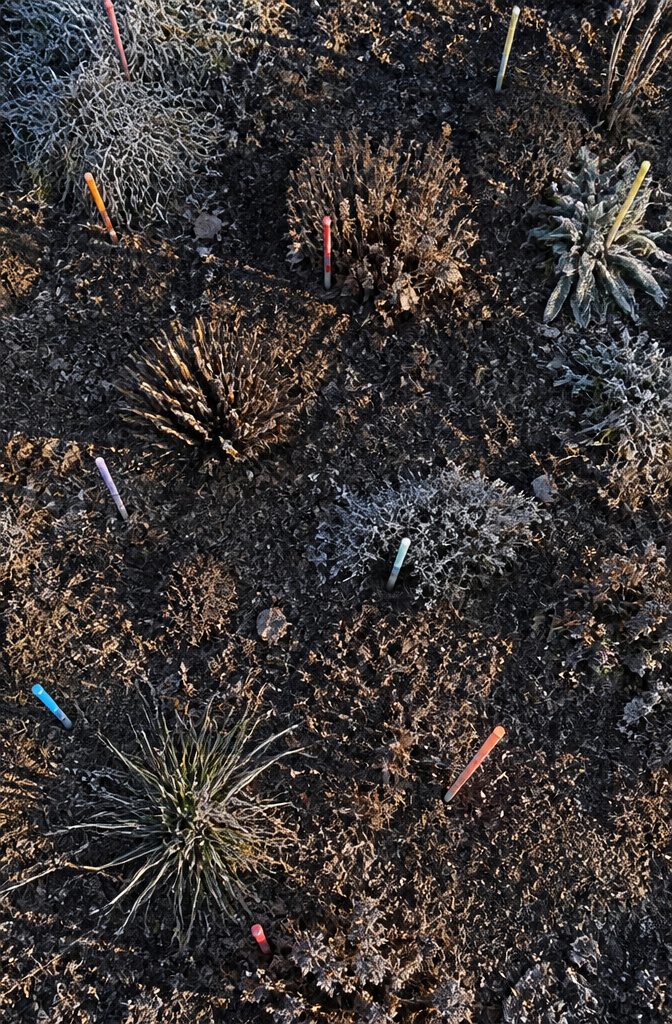
Snow melts unevenly, and a winter without snow still leaves the same map if you know how to read it.
Frost lingers longest in low pockets and on the north side of fences, while a south-facing wall might warm enough to let you work the soil weeks earlier.
Beds that dry fastest in February are the ones that would have opened first under a thaw.
I mark these spots with cheap bamboo stakes, color-coded with leftover spray paint: red for the cold pockets, green for the early zones.
A phone photo at the same hour each morning for two weeks builds a better record than memory.
By March, the green-staked beds are where I start peas and spinach, the same areas that would have been bare ground first if snow had fallen and melted away.
The south wall bed at my last rental dried ten days ahead of the rest, and that margin meant a full extra picking before heat set in.
A simple garden map sketched from these observations costs nothing and survives the move to the next place.
How Snow Insulates and What Replaces It
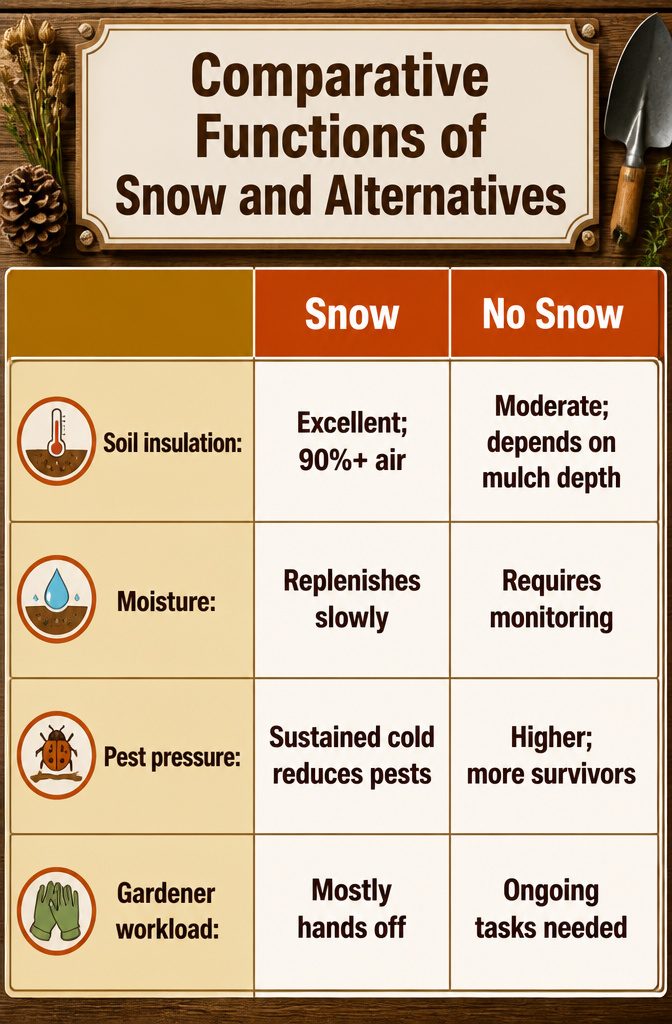
Snow is mostly air, often more than ninety percent, which makes it one of nature’s best insulators.
A one to two inch layer is enough to keep soil temperature stable and prevent the deep freezing that damages roots, especially where temperatures drop drastically.
Without that blanket, the ground suffers repeated freeze-thaw cycles instead. Soil expands and contracts, heaving roots upward and stressing perennial crowns.
Plants have a defense, releasing water from their cells into surrounding soil as the ground cools, but that only goes so far. Roots above the frost line can still burst like water-filled pipes.
The same snow shield blocks wind and extreme cold that cause winter burn through desiccation.
Melt happens slowly too, seeping water into the ground rather than running off the way heavy spring rain does. Even the snow itself gathers tiny amounts of atmospheric nitrogen and sulfur, returning a diluted early feeding when it melts.
What snow does for the garden ecosystem matters just as much. Dried stems, seed heads, and fallen leaves left in place shelter native bees in hollow stems, feed birds through seed heads and berries, and protect beneficial insects and spiders.
A bare winter garden exposes all of that, increases moisture loss, and disrupts biological activity still happening below ground. A slightly messy winter garden is not neglect; it is the insulation and habitat snow would have provided.
Each of the nine steps ahead replicates one of these functions.
Mulch replaces the thermal blanket. Windbreaks stand in for snow’s wind shield.
Deep watering before a freeze mimics slow melt absorption. Do not try to replace snow itself; replace what it did for the garden by building those benefits back in by hand.
Snow Cover vs. No Snow: What Changes
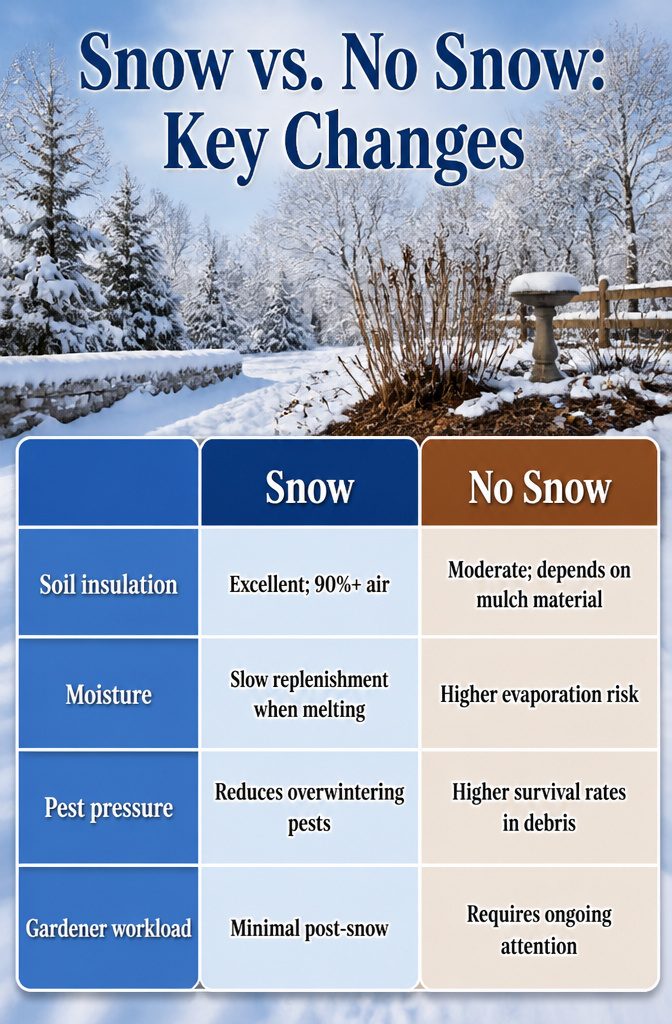
Snow insulates soil by trapping air, keeping temperatures steady beneath it and shielding roots from the freeze-thaw cycles that heave them out of place. Without that blanket, the same ground swings between hard frost and midday thaw all season.
Mulch replaces some of that protection.
A 2 to 4 inch layer of straw, shredded bark, or wood chips evens out soil temperature and holds moisture that bare ground loses to dry winter wind. It does not match snow’s coverage, though, and it needs checking, not just settling.
| Heavy snow winter | Snowless winter with mulch | |
|---|---|---|
| Soil insulation | Excellent; 90%+ air content buffers temperature swings | Moderate; depends on mulch depth and material |
| Moisture | Replenishes slowly as snow melts; low runoff | Requires monitoring; wind and sun dry the surface faster |
| Pest pressure | Sustained cold and cover reduce some overwintering pests and fungal spores | Higher; fewer die-offs, more survivors in bark and leaf litter |
| Gardener workload | Mostly hands off after snowfall | Ongoing; redistribute mulch, water when temperatures rise, watch for exposed roots |
In my own beds, the surprise survivors of snowless years have been the tough perennials, the ones with fibrous shallow roots that sit right under a mulch layer.
The strugglers were plants I assumed were hardy: a purple-leaf sage that heaved completely one January, roots exposed to air that would have stayed damp and still under snow.
What I did not expect was the uptick in rodent damage, bark chewed at the base of a young serviceberry where nothing white had buried the stems. The mulch helped the mice more than the tree that year.
Winter Wildlife in Gardens That Stay Bare
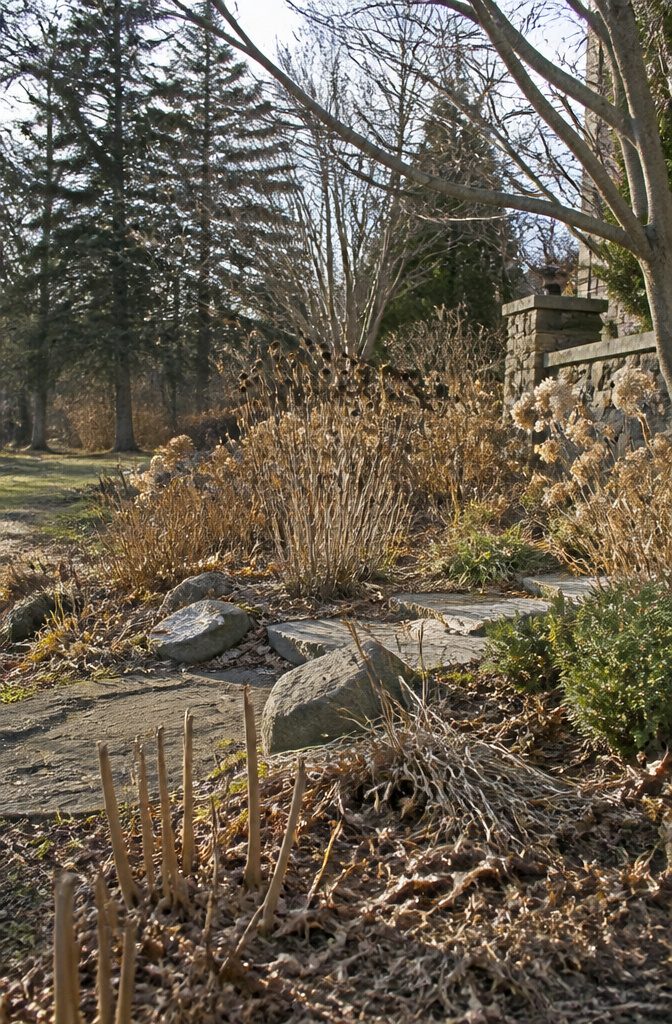
Goldfinches picked through my dried coneflower heads for most of January last year, and a pair of juncos worked the ground beneath where I’d let the milkyweed stay standing.
That messiness was deliberate, though it took some restraint. The stems of bee balm and asters stayed hollow and upright, sheltering native bees and spiders through freeze cycles that would have flattened anything softer.
Without snow cover to insulate the ground, those standing stems matter more. They block wind that scours exposed soil and carries off moisture the roots still need.
The tension is real.
A tidy winter garden looks cared-for, and neighbors notice. But cutting back in November removes the seed heads birds rely on when natural forage is scarce, and destroys the dense stem thickets where beneficial insects overwinter.
Leave stems at least twelve inches tall so the hollow portions stay intact for nesting bees. Rake leaves into beds rather than hauling them off; they break down slowly and harbor the pupae and larvae that feed hatchlings come spring.
Ponds need the same patience.
Even a small water feature with a floating de-icer supports amphibians and aquatic insects through hard freezes. The alternative is a silent yard by March.
Frequently Asked Questions
How do I protect my garden without snow?
Spread mulch 2 to 4 inches deep to replace snow’s insulation, water deeply whenever temperatures rise above freezing, and cover vulnerable plants with frost blankets on nights below thirty degrees.
Remove those covers at sunrise so trapped heat does not cook the foliage. Build simple windbreaks from burlap or old fence sections to block desiccating winter winds.
What happens to plants without snow cover?
Roots heave upward through repeated freeze-thaw cycles and dry out instead of staying damp and protected.
Evergreen foliage suffers winter burn as wind pulls moisture faster than frozen roots can replace it. Pest pressure increases because cold-sensitive insects and rodents survive in exposed leaf litter and soil that would have frozen harder under snow.
How can I manage pests in a snowless winter?
Knock aphids off stems with a hard spray of water during mild afternoons above freezing, running the hose briefly first to clear ice.
Skip neem oil and insecticidal soap when temperatures stay below fifty degrees or frost follows within a day or two, since these treatments work poorly in cold conditions and can damage leaves.
Remove debris where pests hide, though leaving some standing stems and leaf litter still helps beneficial insects and birds.





