
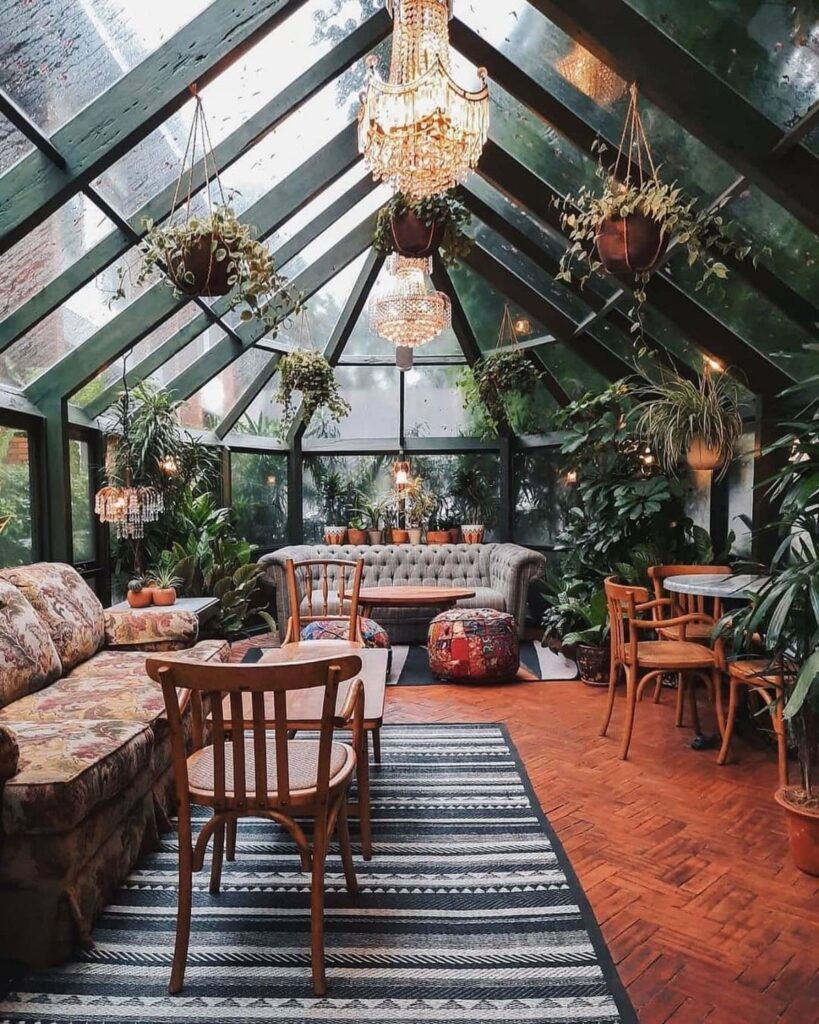
Some of these take an evening with pinecones and battery lights, others take a dwarf pine in a pot that runs about what grocery-store bouquets do.
The split is between what stays and what goes: renters usually need ideas that pack up, while first-home owners can plant for the long haul, and the list below keeps both in mind.
Drainage holes in thicker-walled containers, cardboard that rots in place by spring, and conduit hoops for frost netting all answer how much commitment the ground itself demands.
1. Colorful Winter Plants
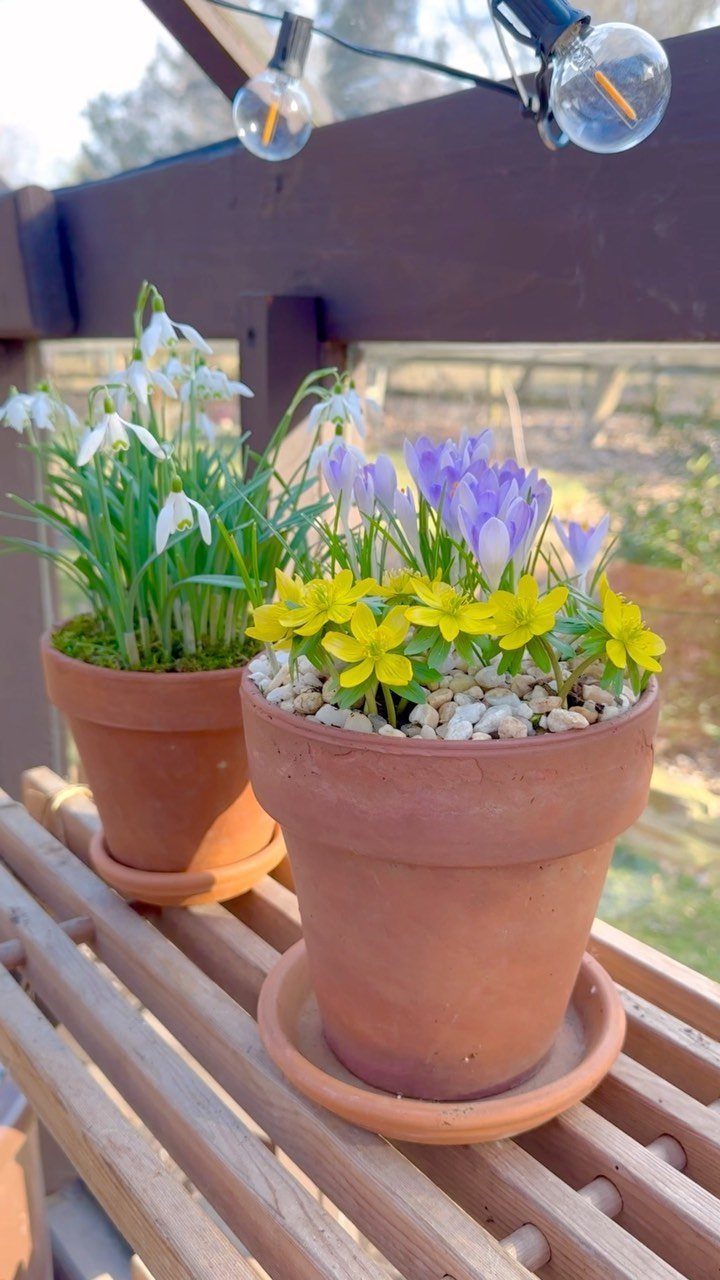
Snowdrops and hellebores push through frost when most plants have quit for the year.
For a renter with a balcony or a first-home owner working a narrow bed, these cold-weather bloomers deliver color without the cost of replacing dead annuals come spring.
String lights overhead stretch the usable hours and cost little if you already have a strand from last year. This idea suits someone who wants living color, not cut flowers, and who will remember to water through dry winter spells.
2. Vertical Planting
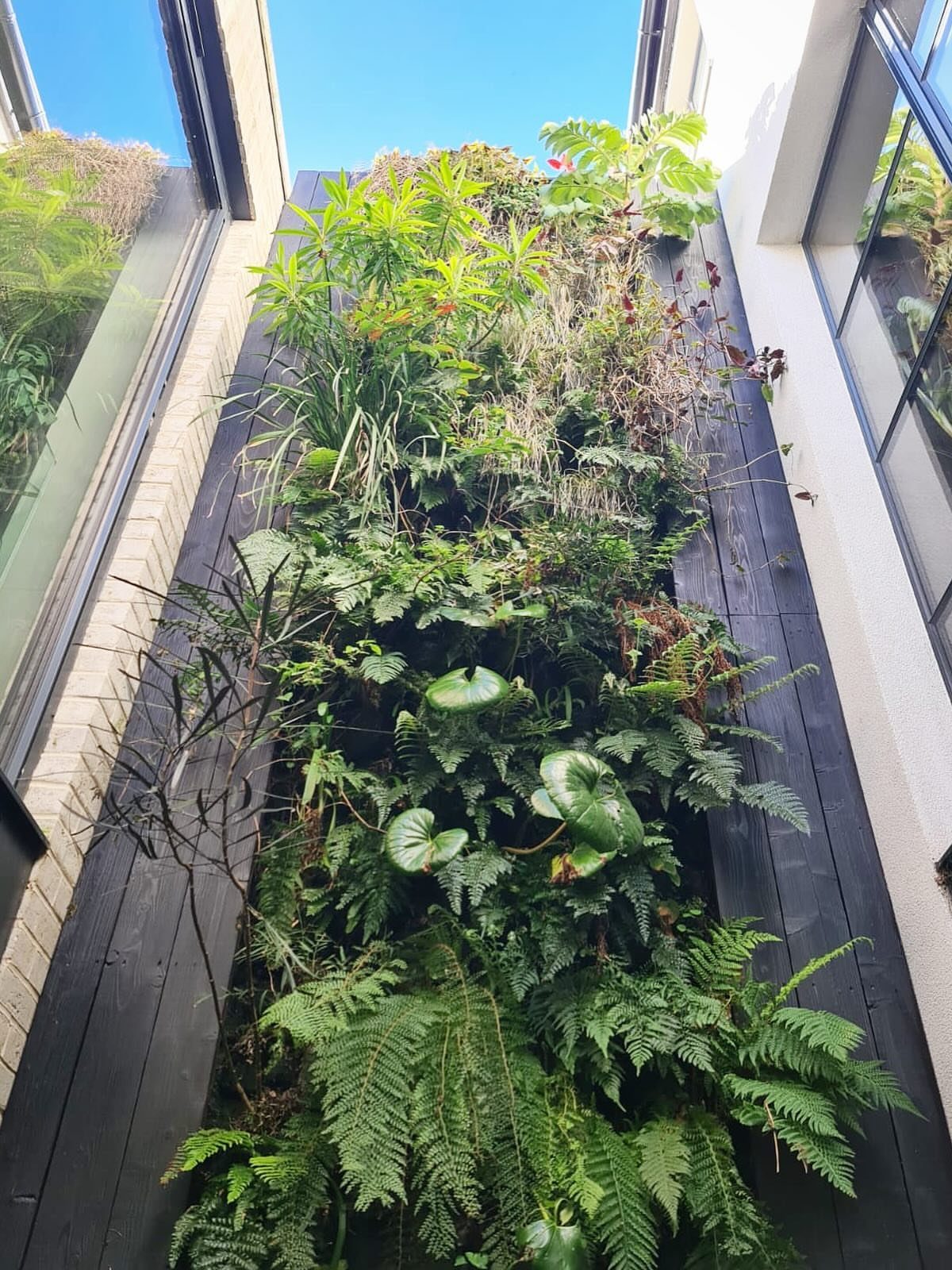
A blank wall or the tight side of a porch becomes growing space when you stack it vertically.
Wall-mounted planters, pocket panels, or even a leaning ladder of pots let you work upward instead of outward, which matters when your winter garden is a narrow strip of patio.
I have seen ferns and broad-leafed evergreens hold up well in vertical setups through mild winters; in harsher zones, the structure itself carries the visual weight while you swap in hardier plants as needed.
Drainage is the detail that kills these setups, so tilt or gap every container so water escapes rather than freezing in place. Best for renters who cannot dig and for anyone whose ground space is already spoken for.
A friend says her friend with a glass roof conservatory finds both summer and winter difficult. Whereas she with her solid roof uses hers all year round.
— Gransnet
3. Protecting Plants
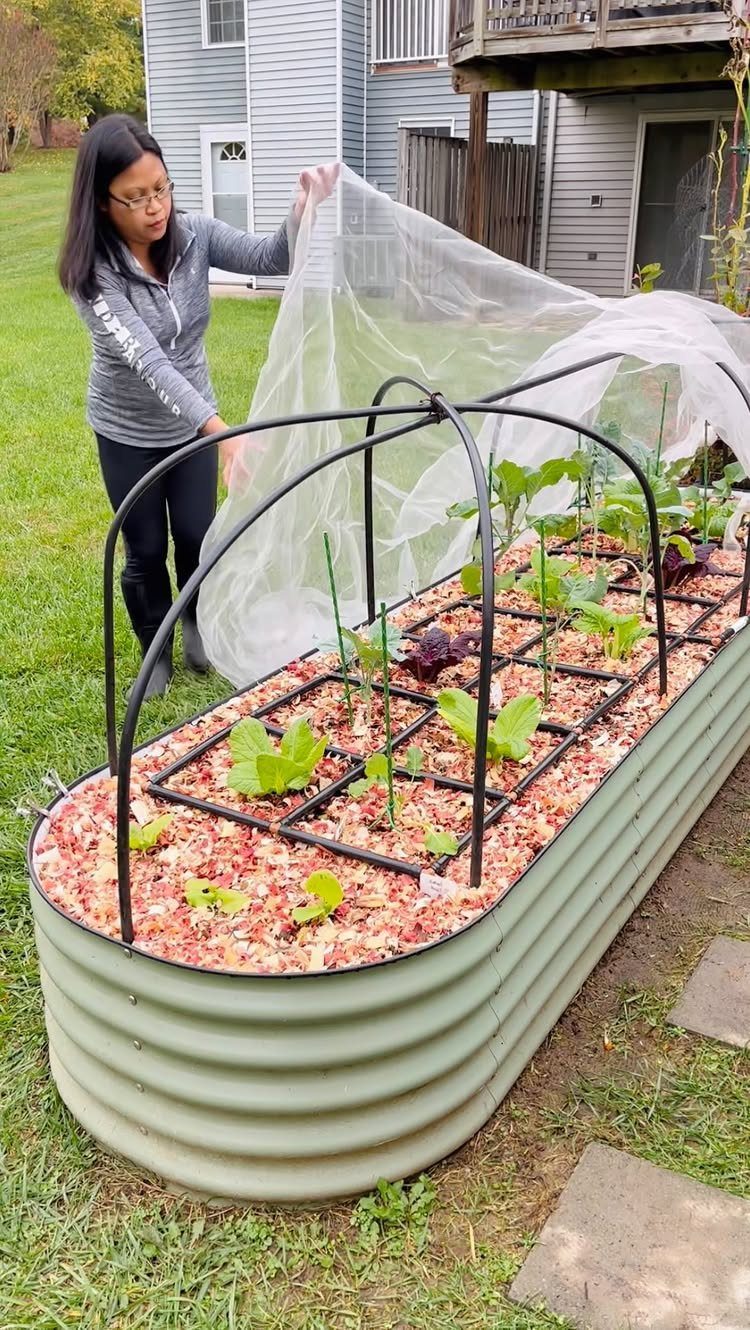
Lightweight frost netting beats heavy plastic because you can lift it on mild days and drop it back when the temperature falls. Conduit hoops and garden mesh beat buying a prefab cloche and make a solid weekend project.
Wind is the weak spot: stakes or weights matter, and the whole setup needs checking after storms. This approach fits someone growing winter greens or protecting a few prized plants, not a whole yard.
If your ground freezes solid for months, move to containers you can drag indoors instead.
4. Evergreen Plants

Evergreens carry a winter garden when flowers are months away. Cut branches with berries and pinecones look good for a while, but living shrubs do the same work longer.
Pine and juniper hold color and structure through snow and dry wind; the choice between them comes down to sun and soil where you live, not to any universal best list.
I would check hardiness zones before buying, and I would plant in fall so roots settle before hard frost. A single dwarf pine in a pot costs about what you might spend on grocery-store bouquets and lasts years.
This is the slow option, for someone who plans to stay put and who can wait for the result.
5. Winter Container Gardens
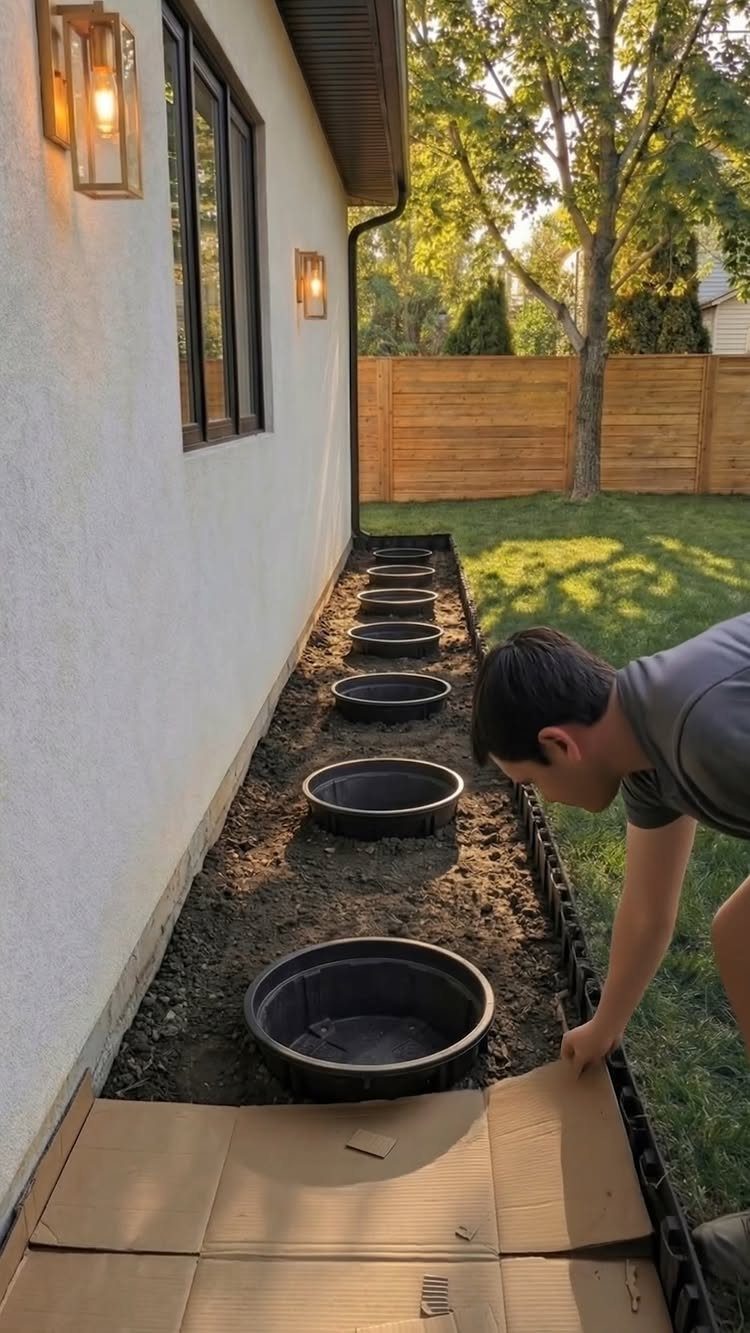
Black nursery pots sunk into a cardboard-lined bed let you rearrange a winter garden the way you would move furniture.
Cardboard suppresses weeds for the season and rots in place by spring; the pots lift out if a plant fails or if you need to shelter something indoors during a hard freeze.
Durable containers matter here, thin plastic cracks when soil freezes and thaws. I would spend extra per pot for thicker walls and drill extra drainage holes if they sit in a saucer or a wet spot.
This method suits the indecisive gardener, or anyone who wants to test a layout before committing to holes in the ground.
6. DIY Winter Decorations

A winter village on a mirrored tray is the kind of centerpiece that looks store-bought but costs mostly time. I would build mine with pinecones from the yard, a scrap of birch branch, and a string of battery lights.
Natural materials age better than plastic through a whole season of dry indoor heat. The mirror doubles the light and makes a small table feel larger, which matters in a first apartment where the dining surface is also the desk.
This project takes an evening, not a weekend, and breaks down to a shoebox come January. Best for someone who wants seasonal atmosphere without storage bins of decor year-round.
7. Whimsical Touches
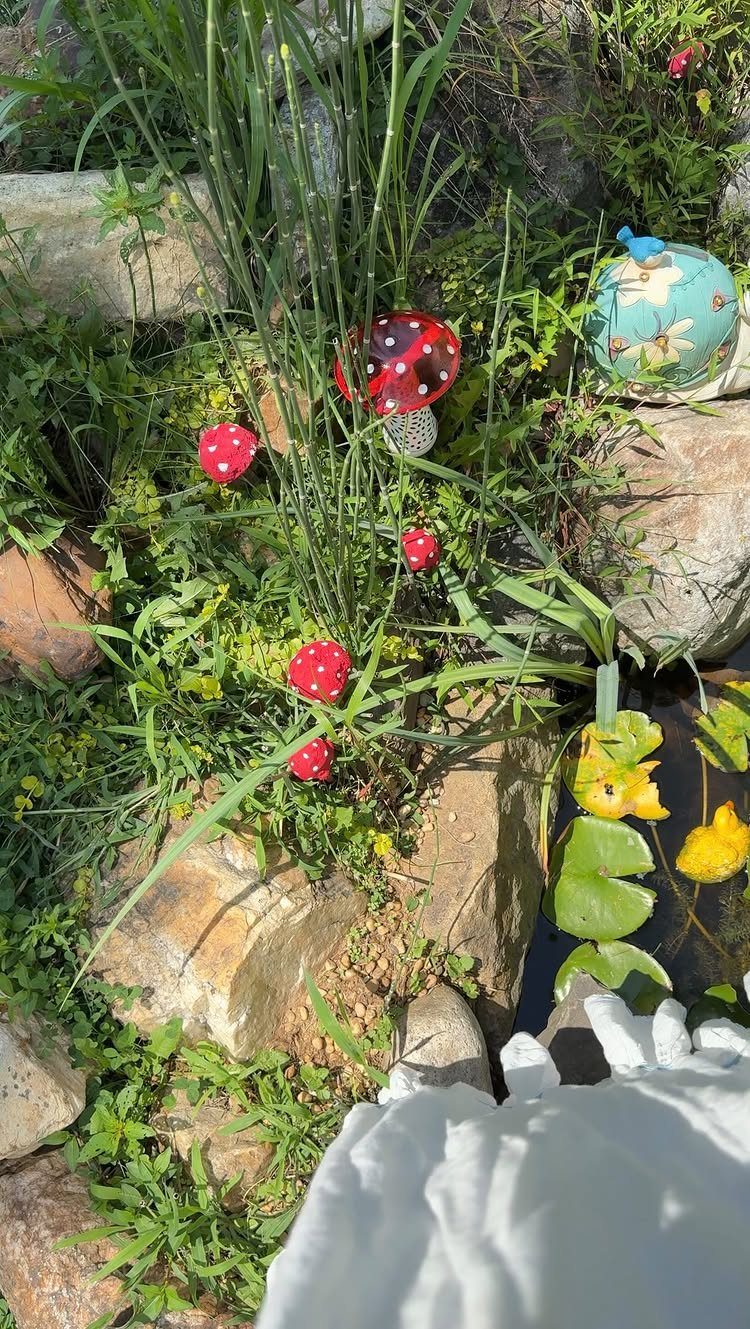
A cluster of red-spotted mushrooms beside a pond does not have to cost fairy-tale money.
Painted ceramic or sealed wood ornaments survive outdoors if you bring them under cover during hard freezes, which for most renters means a closet shelf from December through February and back out by March.
I would spend the effort on one bold piece rather than scattering half a dozen small ones; a single oversized mushroom or an oversized enamel ball draws the eye without cluttering a narrow balcony.
Quirky plant labels work the same way. A hand-lettered stake or a painted rock at the base of a dormant pot keeps the space from looking abandoned once the blooms are gone.
This suits someone who gardens for the look of it more than the harvest, and who will not mind explaining the mushrooms to guests.
Frequently Asked Questions
What are the common issues with winter gardens?
Cold weather damages plants fast, and wind tears through lightweight protection. Frost netting beats solid sheeting because air still moves through it, though you will want to pin the edges down and walk the perimeter after a windy night.
Where the ground turns to concrete for three months, a pot on a hand truck wins over anything rooted in the beds.
What grows well in a winter garden?
Snowdrops and hellebores push through frost when most plants have quit.
What are some beautiful ideas for a garden room?
Rough bark, smooth stone, and something still green give the eye more to do than any single material can manage.
What month do you start a winter garden?
September and October are the months for getting evergreen roots down while the soil still has some give to it.
For winter containers and protection structures, late fall gives you time to build conduit hoops and set frost netting before the first sustained freeze.
Planning protection for winter greens or prized plants should finish before temperatures drop enough to damage unestablished work.





