Winter garden beds can be as simple as mulching around hardy evergreens or as involved as building a raised frame with conduit and row cover to protect plants from the cold.
What you actually do depends on whether your winter drops hard enough to need protective covers and windbreaks or stays mild enough for rosemary to stay harvestable in a raised bed.
The bubble wrap lining inside a raised bed wall is one of those details that only matters once you know which cold you’re working with.
1. Plant Hardy Evergreens

A winter garden that still looks like a garden starts with plants that refuse to quit.
Dwarf blue spruce or boxwood hold their shape through snow load, and Russian sage keeps some color even when the rest of the bed has flattened.
Hardy herbs fit here too. Sage, thyme, and rosemary stay harvestable if your winter stays mild enough for the soil to thaw occasionally.
Pick lightly; nothing grows back until spring, so what you take is gone for good.
I’d put evergreens along the edges where you see them from the kitchen window. The center of the bed can sleep; the perimeter carries the season.

Plant Covers Freeze Protection Kit: Winter Frost Cloth kit Including Plant Cover,36pcs Garden Hoops and 24pcs garden clips.This frost covers kit works well to protect your vegetables,plants,crops, raised bed,fruits trees from damage of freeze or frost Winter.Garden hoops with Frost Blankets can get a lasting protection for your outdoor plants in winter, makes gardening more easier and fun.WYRJXYB Greenhouse Hoop & Blankets Plant Covers kit design to give your plants Protection

Garden Tunnel Hoops Plant Cover Kit: This winter garden frost protection kit includes 36pcs garden hoops for raised beds, each 1.4ft in length, 1pcs 10x50ft plant cover freeze frost protection, 36pcs connectors, 24pcs garden clips. No need to look for other frost cloth covers or clips, saves your time and effort.

Package Includes: You will receive 2 pcs 45 x 22 x 16 inch garden covers for raised beds, comes with 8 ground nails, and 1 carry bag, quickly create a closed space that can protect your plants in the cold winter.
2. Create Winter Interest
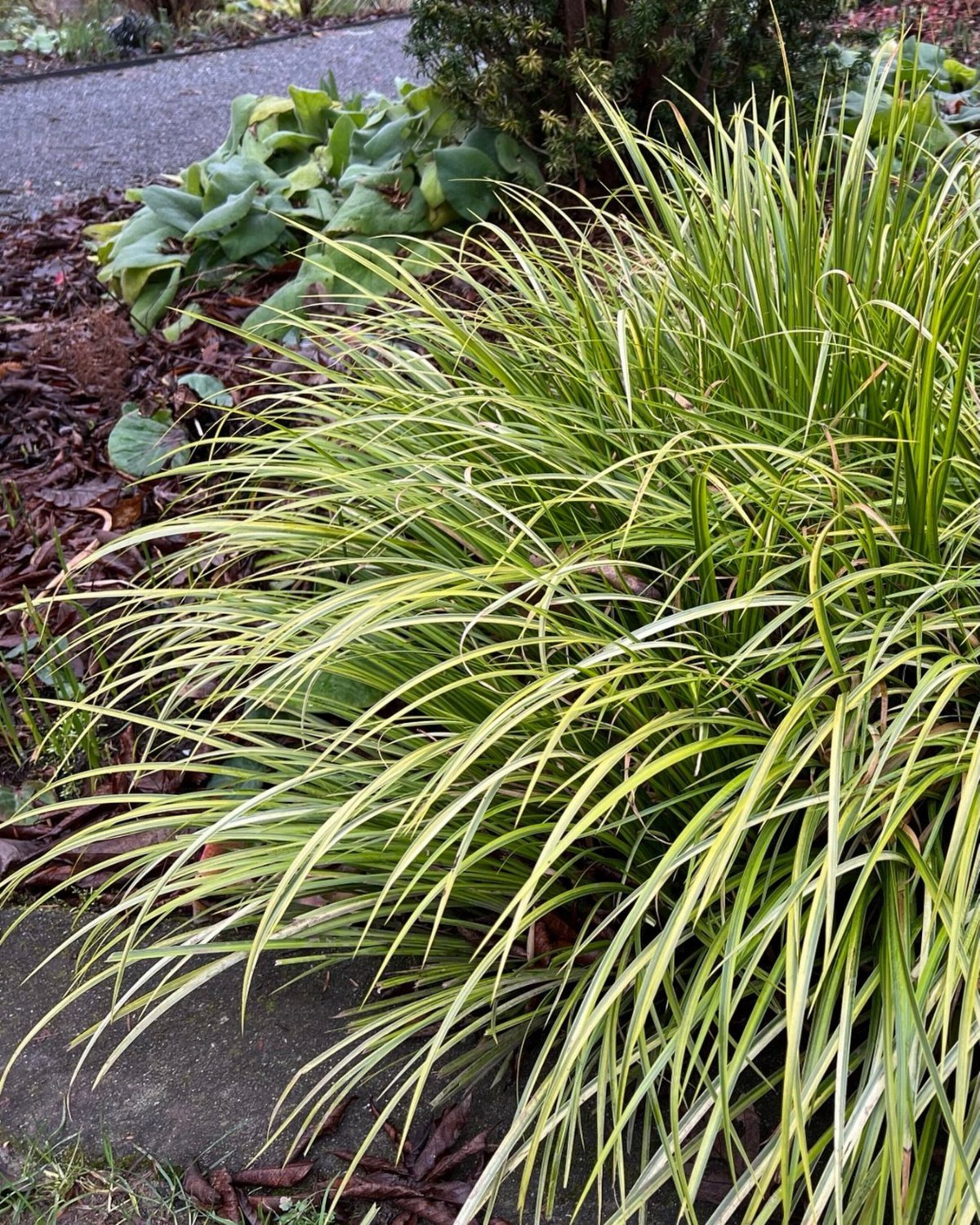
Bare branches and bark do more work in January than you’d expect. Ornamental grasses left standing catch frost and hold it, and the papery peeling on a river birch turns pink-gray against snow in a way no flower manages.
Place these where backlighting hits them, low sun through a fence or across a lawn. A skeleton of deciduous stuff inside a ring of evergreen reads as intentional structure, not abandonment.
Skip this if your HOA fines for "untidy" yards. Some neighborhoods want everything cut to the ground by Thanksgiving.

Winter Plant Cover (2 Pack): Includes 2 rectangular frost protection covers that shield vegetables, flowers, potted plants, and seedlings from frost, snow, cold winds, and pests.

Perfect Size Fit: Measures 55.1 x 27.5 x 17.7 inches, designed to fit standard 4 x 2 x 1 ft raised garden beds. Fits oval, rectangular, and round-cornered metal or wood beds with a snug, secure drape

BETTER FIT FOR RAISED BEDS: Available in multiple sizes to fit common raised garden beds, this cover slips over the bed to create a cleaner, more enclosed growing space. Great for vegetables, herbs, seedlings, strawberries, lettuce, and flowers. Measure your garden bed before ordering for the best fit.
3. Mulch Garden Beds
Two to three inches of chopped leaves, straw, or finished compost over bare soil buys you several things at once. The worms stay active longer, the surface doesn’t wash away in January rains, and you lose fewer nutrients to runoff.
I run a mower over my leaf pile before spreading; whole leaves mat and let mold take hold. Straw goes on garlic the same day I plant, tucked right up against the stems without burying them.
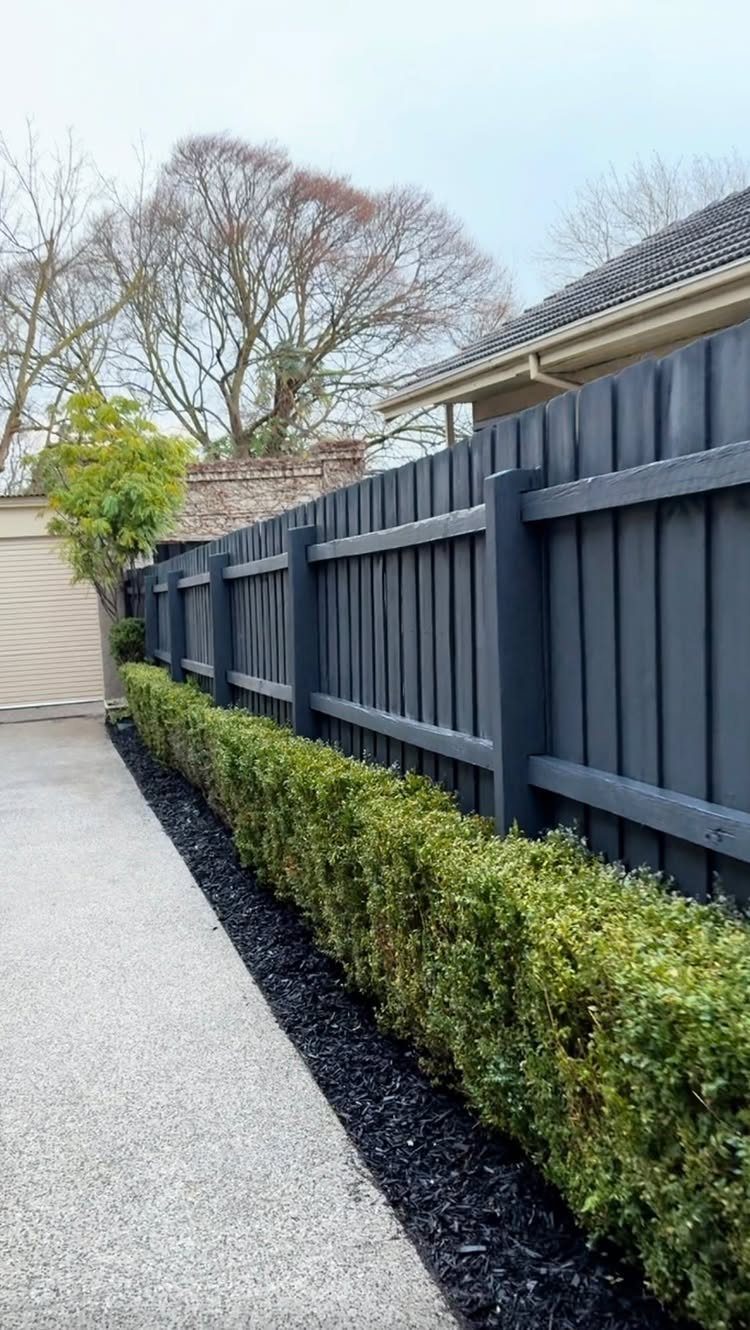
Black mulch on a hedge row works for ornamentals but heats up too much for most vegetables. Match the material to what you’re growing.

【All-Purpose Garden Plant Cover】Faraer Floating Row Cover is a polypropylene garden covers that transmits 70 percent of available light. It keeps heat in, bugs out, and is an excellent windbreak for young transplants. It allows rain and overhead irrigation to reach plants and soil. Secure with ground stakes (sold separately).

Includes 10lb block of Back to the Roots compressed Coconut Husk Mulch that expands to over 2 cubic feet of mulch. Use it for gardens, raised beds, pet bedding and more

4. Use Raised Beds
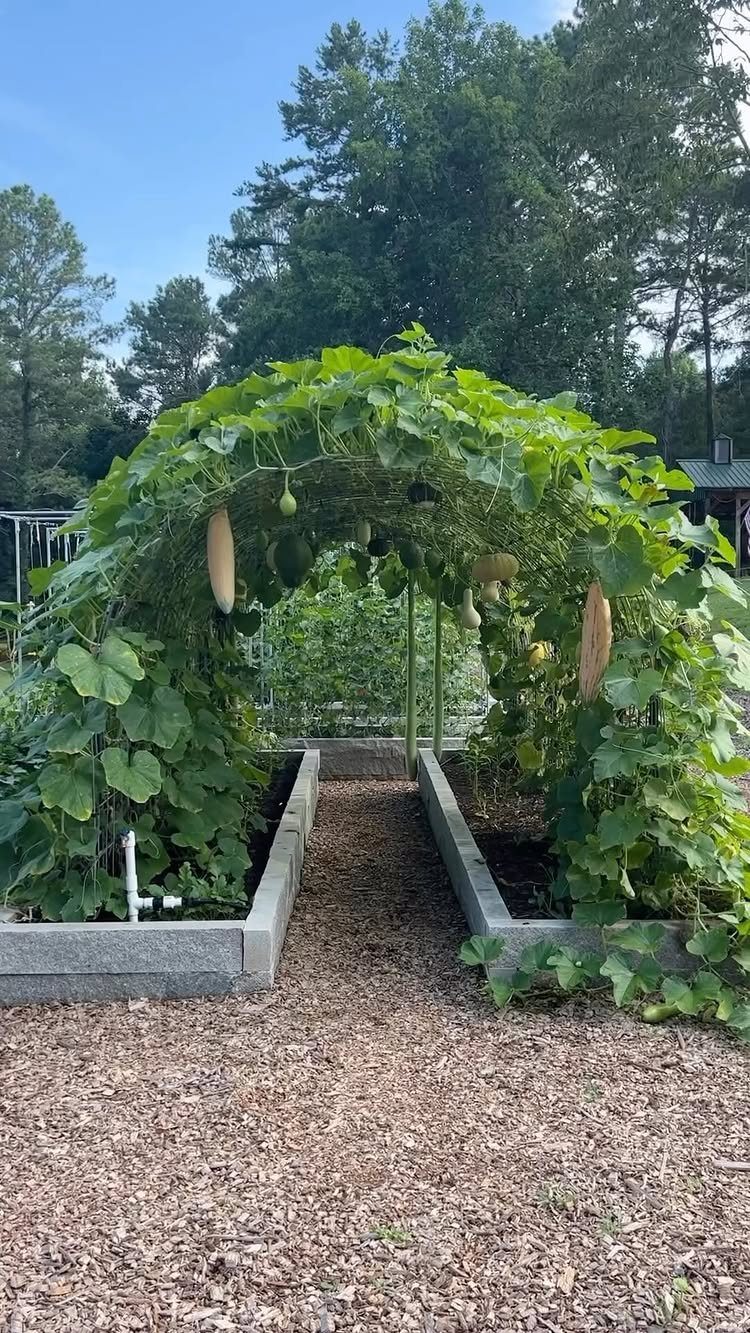
Raised beds drain faster and warm earlier, which matters more than you’d think for winter greens. The builder of the tunnel fit squash plants into a fraction of the growing space by running vines overhead instead of letting them sprawl.
For cold protection, line the inside walls with bubble wrap before the soil goes in, or pile leaves and brushwood around the exterior.
A layer of fleece or plastic over the top turns the whole bed into a cold frame; just vent it on sunny days or you’ll cook the plants.
Heavy feeders get a layer of compost or rotted manure now, while the bed is still workable. Let it break down over winter.
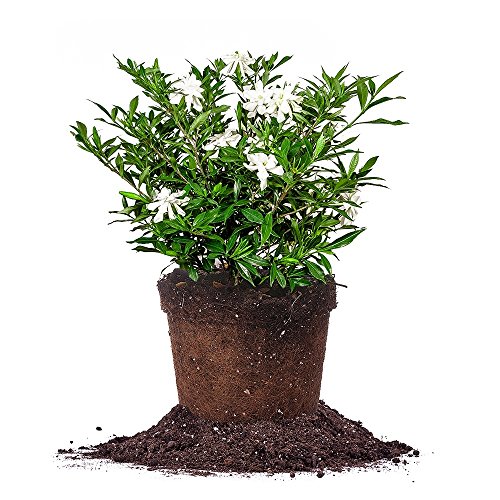
Live 1 gallon frost proof gardenia comes with easy to use plant food and features deep green, spindle leaves with fragrant, White flowers appearing every spring-summer

DISTINCTIVE LOBED FOLIAGE: The Oak Leaf Holly is famous for its unique, deeply lobed green leaves that closely resemble traditional oak foliage. This live evergreen shrub provides a spectacular visual display for your garden year-round.

VIGOROUS 4-5 INCH BARE ROOT: You receive a well-rooted 4-5 inch Frostproof Jasmine starter ready for immediate planting. This sturdy bare root is easy for you to handle and is intended to provide a strong beginning for your landscape with a more developed root system compared to starting from seeds.
5. Use Protective Covers
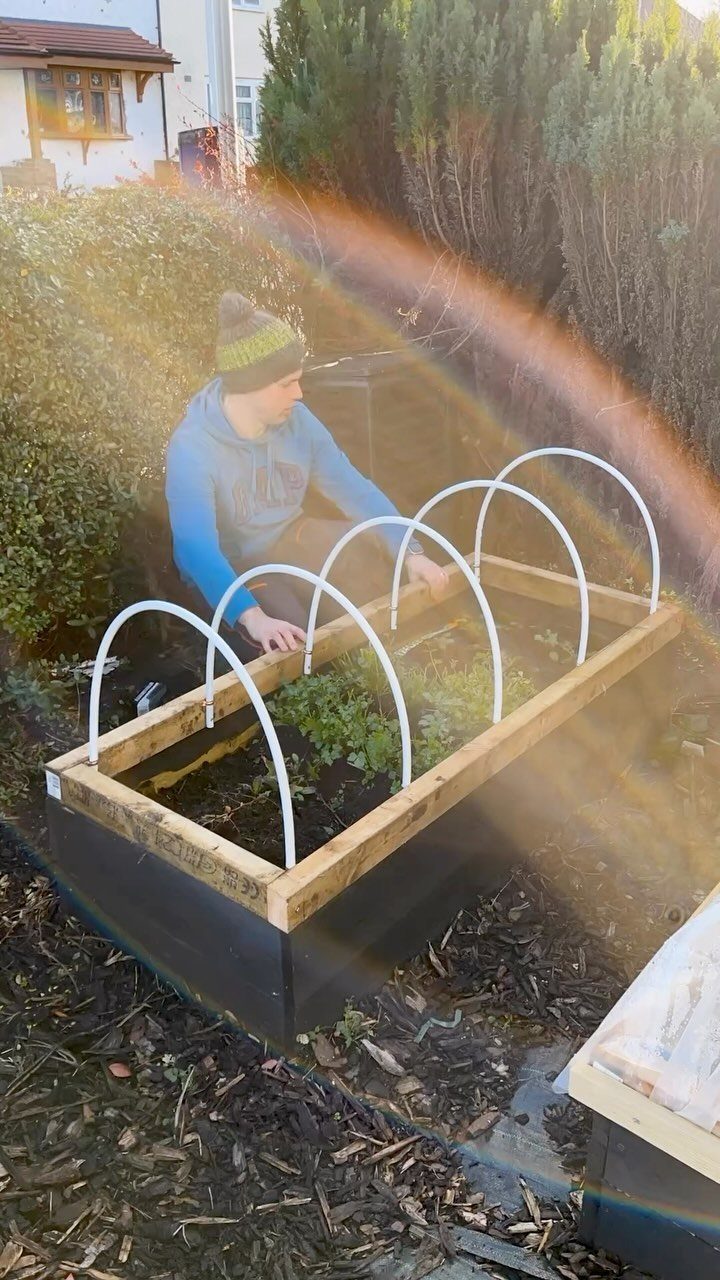
Row cover, fleece, or a sheet of plastic over bent conduit turns a raised bed into something survivable for kale or late lettuce. What you need depends on your worst night, not your average one.
Check your last frost date and how many degrees below it your cover buys you; thick plastic handles more cold than spun fabric, but it also traps more heat and needs propping open or removing on bright days.
Drainage matters as much as temperature. A bed that sits wet under cover will rot stems even above freezing.
If your soil doesn’t perk, stick to permeable materials and skip the plastic entirely.

Pampas grass is a large, ornamental grass with unmistakable feathery white plumes.

READY TO PLANT: Includes 3 Deer Grass (Muhlenbergia rigens) starter plants in 2.5″ cubes. Each plant is well-rooted and ready to thrive. Natural variations in size, color, or seasonal appearance may occur.
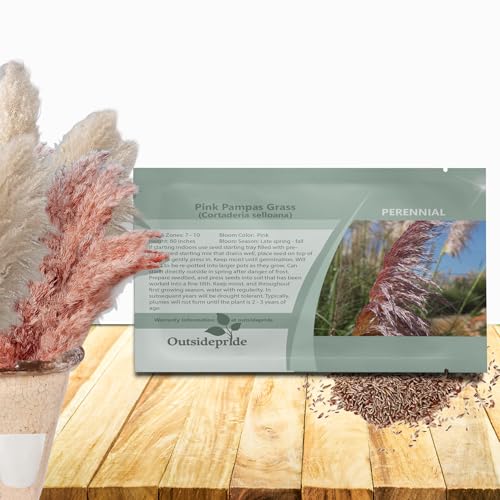
PERENNIAL GRASS WITH IMPRESSIVE HEIGHT: Our mixed Pampas Grass grows up to 80 inches tall, offering a striking vertical element to any garden. This perennial grass creates dramatic focal points and works well for privacy screens, garden borders, and landscaping features. Perfect for outdoor living and privacy plants, it thrives year after year.
6. Leave Spent Flowers

The seed heads on black-eyed Susan and the papery disks of hydrangea hold frost differently than bare stems, and finches pick at coneflower through January. Delay cutting until March, or don’t cut at all if the clump still has structure.
Dried material also fills wreaths without the craft-store markup. Mustard ribbon and silvery leaves dry well; gather your own in November before everything shatters.
This trades away neatness. If you need the bed to read as "maintained" all winter, this isn’t your move.
I’d rather have the birds and the free decor.

[1.5oz/yd² Frost Cloth for Plant Freeze Protection]Made with 1.5oz/yd² per sq yd garden fabric, this frost cloth helps protect plants from frost, cold wind, and sudden temperature drops while allowing sunlight, air, and moisture to pass through.

Package Includes: You will receive 1 pcs 45 x 22 x 16 inch garden covers for raised beds, comes with 4 ground nails, and 1 carry bag, quickly create a closed space that can protect your plants in the cold winter.

Please watch the video if you have any problem on how to Install it
7. Winter Flower Bulbs
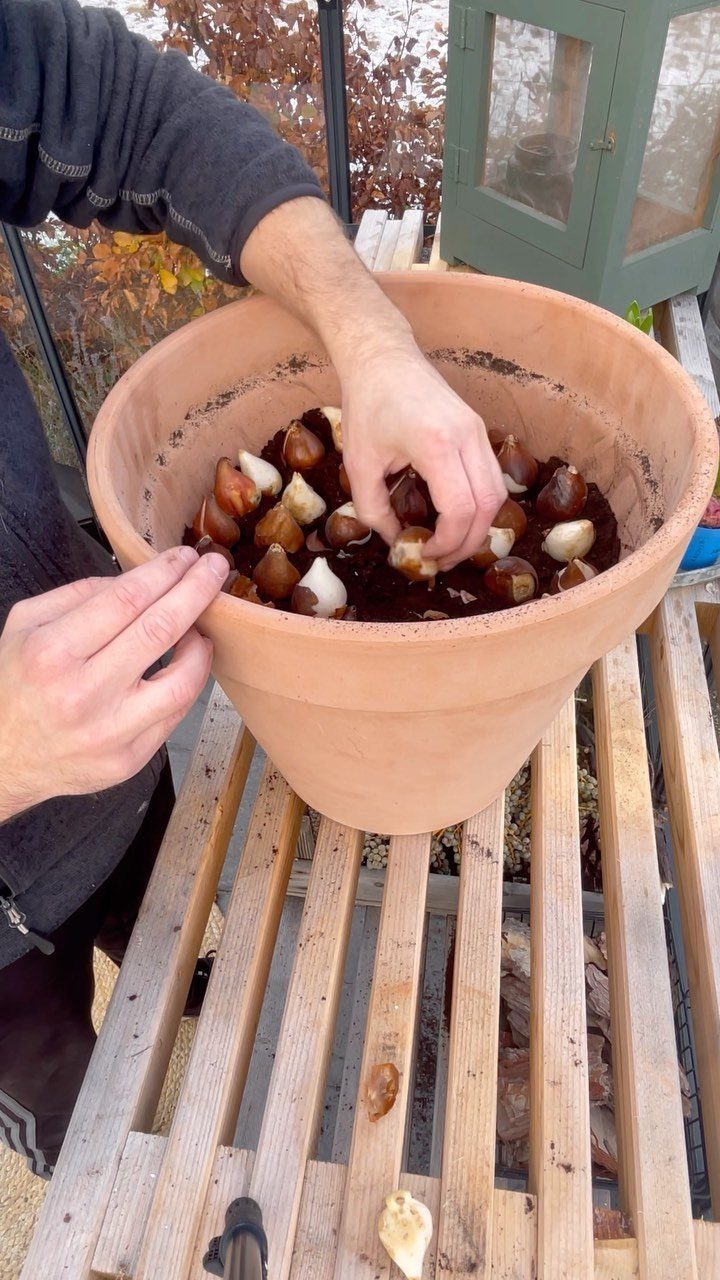
Terracotta holds warmth longer than plastic, so bulbs in pots stay workable through more of the cold season. Snowdrops and hellebores suit cold winters; pansies and violas keep going through broader swings.
I plant them close, almost touching, since winter growth is slow and I want density not spread.
Hellebores and witch hazel bloom where true cold hits. Cyclamen works if your winter stays milder.
Trapped water rots bulbs faster than frost does, so slats under the pot help more than you’d think.
For a container that moves, I’d pick violas. For one that stays, snowdrops naturalize and come back stingier each year until you divide them.

Transparent window for easy monitoring: The built-in transparent window allows you to check on the plants without having to remove the entire lid. It also allows natural light to reach the plants when they are covered, making daily winter care more convenient
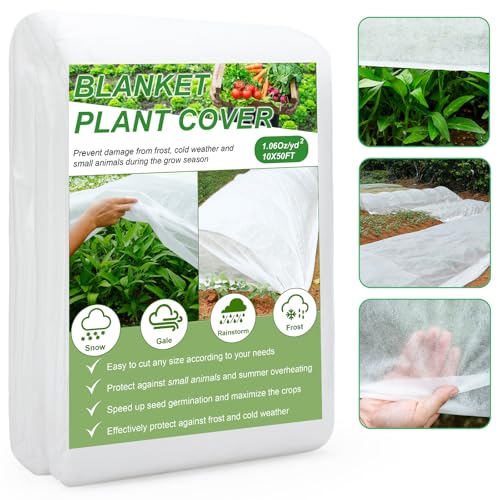
Great Helper for Gardening: This YDSL plant covers freeze protection is ideal for gardening enthusiasts and gardeners to protect plants and vegetables, so that your favourite plants can grow as safely as possible in an environment that is more suited to their needs. Garden bed cover is not only suitable for professional growers, but also for beginners in transplanting techniques, with which planting can be done with ease.

Premium Size & Package Include: You will get 2 pieces of winter plant covers freeze protection with upgraded dimension of 51.1 * 27.6 * 19.6 inches, perfectly fitting 4 * 2 * 1 FT raised garden beds and most rectangular planter boxes. Suitable for covering various outdoor potted plants, seedlings, vegetables and flowers, please confirm your garden bed size before purchase for perfect matching
8. Harvest Root Vegetables

Beets left in ground after frost turn denser, sweeter. Carrots and parsnips do the same.
The soil insulates them; you pull as needed through winter, brushing snow off the row.
Pull out the tomatoes and beans first. Rotting fruit draws pests, and disease overwinters in dead stems.
Hardy roots are the exception, not the excuse to leave everything standing.
A light mulch of straw over the row buys you colder nights. Too deep and you get mice; I aim shallow, loose enough they can’t tunnel.
This suits anyone who forgot to harvest in October and wants to stop feeling guilty about it.

🌱 Premium Winter Rye Cover Crop – Non-GMO & Heirloom – Secale cereale, a cold-hardy cereal grain that improves soil health, suppresses weeds, and prevents erosion. Perfect for gardens, farms & fields.

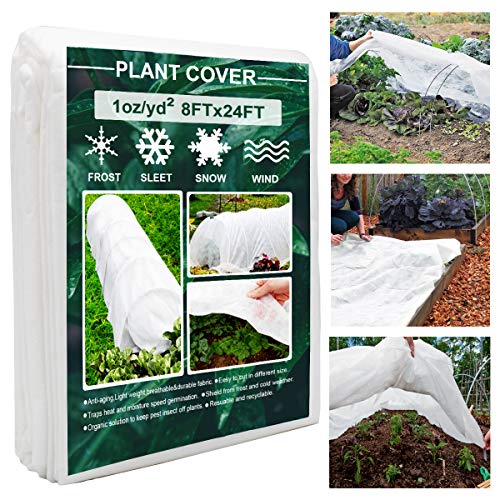
【All-Purpose Garden Plant Cover】Faraer Floating Row Cover is a polypropylene garden covers that transmits 70 percent of available light. It keeps heat in, bugs out, and is an excellent windbreak for young transplants. It allows rain and overhead irrigation to reach plants and soil. Secure with ground stakes (sold separately).
9. Green Manuring and Pre-seeding

A raised bed does not have to sit empty from November to March. Winter vetch or crimson clover sown before hard frost protects the soil, breaks compaction with root growth, and fixes nitrogen if you include legumes.
Bee friend works if you want something that dies back easier in spring.
Pre-seeding in milk jugs set in snow starts hardy vegetables for summer without grow lights or shelf space. I have not tried this; the jug method asks for a spot that gets sun and won’t blow over.
Green manure demands you turn it under before it seeds, or you fight it as a weed. Pre-seeding asks for patience and a tolerance for failure.
Either beats bare dirt eroding all winter.


For sale is an American Holly that is approximately 10-16" tall and shipped in a 3.5" pot

VIGOROUS 4-5 INCH BARE ROOT: You receive a well-rooted 4-5 inch Frostproof Jasmine starter ready for immediate planting. This sturdy bare root is easy for you to handle and is intended to provide a strong beginning for your landscape with a more developed root system compared to starting from seeds.
10. Attract Wildlife
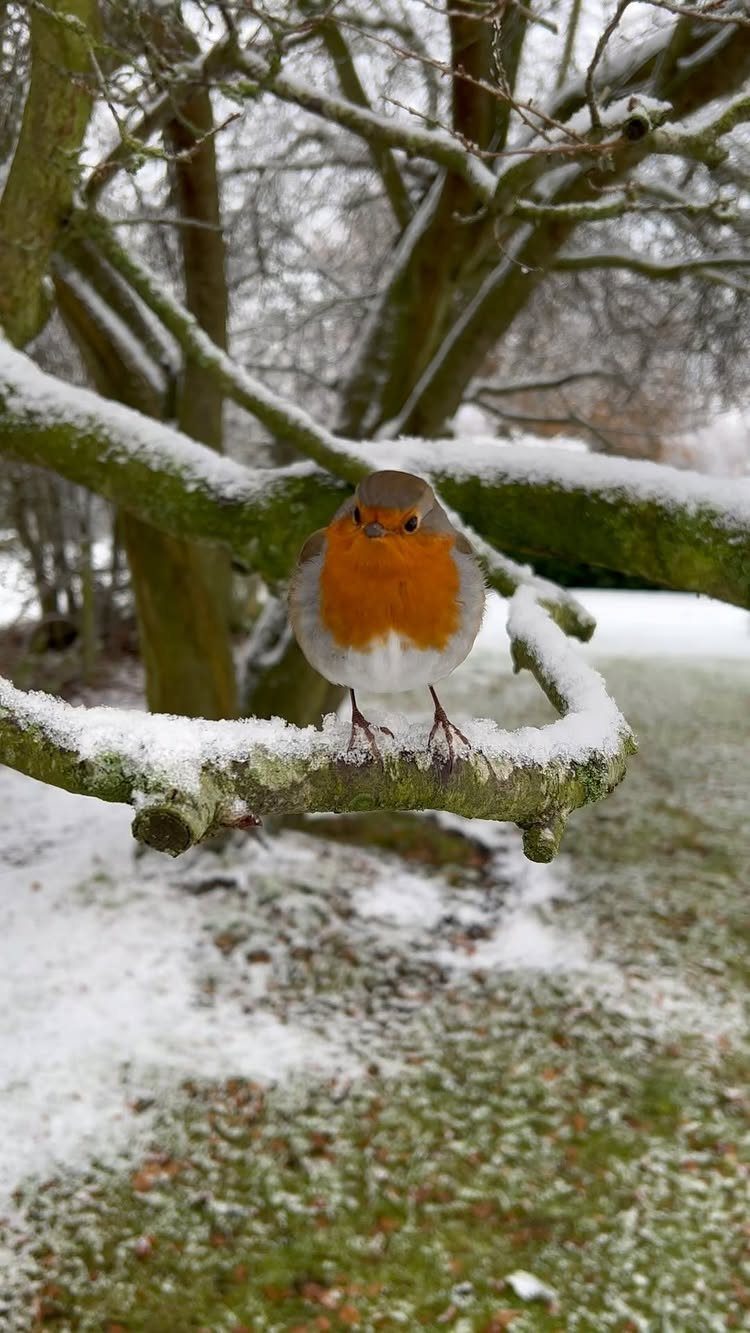
Berry shrubs feed birds when insects are scarce. Winterberry, chokecherry, and red osier dogwood fruit at different times, so I plant a mix rather than one type.
English holly works where it grows; check hardiness before you buy.
Leave seed heads on coneflowers and rudbeckia. The goldfinches in my yard prefer them to the feeder some mornings.
A heated bird bath draws more species than seed alone; moving water even in cold signals safety.
Skip the tidy fall cleanup on ornamental beds. That leaf pile shelters insects the birds eat, and the birds know it.
PERENNIAL GRASS WITH IMPRESSIVE HEIGHT: Our mixed Pampas Grass grows up to 80 inches tall, offering a striking vertical element to any garden. This perennial grass creates dramatic focal points and works well for privacy screens, garden borders, and landscaping features. Perfect for outdoor living and privacy plants, it thrives year after year.

PERENNIAL GRASS WITH IMPRESSIVE HEIGHT: Our white Pampas Grass grows up to 80 inches tall, offering a striking vertical element to any garden. This perennial grass creates dramatic focal points and works well for privacy screens, garden borders, and landscaping features. Perfect for outdoor living and privacy plants, it thrives year after year.

PERENNIAL GRASS WITH IMPRESSIVE HEIGHT: Our pink Pampas Grass grows up to 80 inches tall, offering a striking vertical element to any garden. This perennial grass creates dramatic focal points and works well for privacy screens, garden borders, and landscaping features. Perfect for outdoor living and privacy plants, it thrives year after year.
11. Use Topiary Shapes

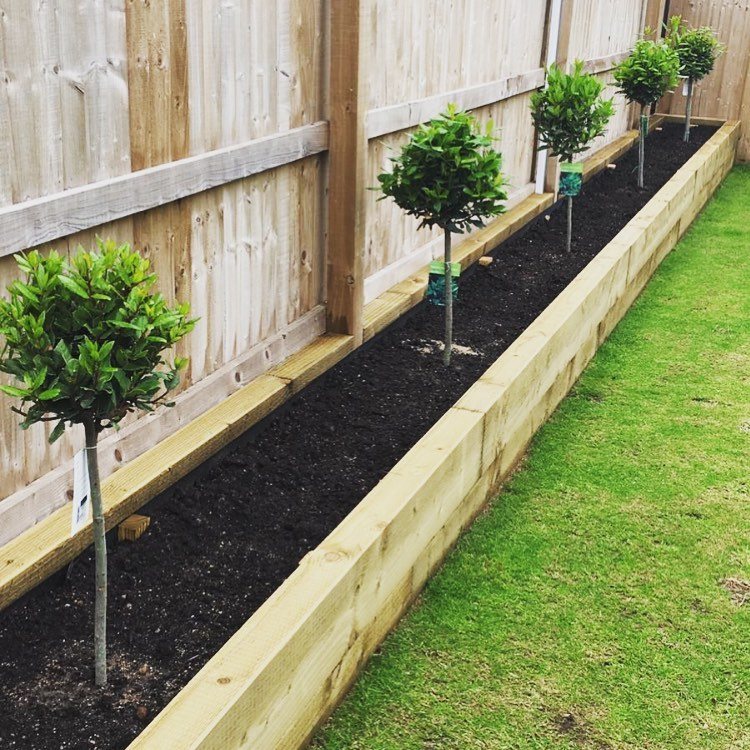
Evergreen structure shows against snow in a way deciduous planting never manages. Balls and pyramids read formal; cloud-pruned or organic shapes read modern and need less frequent clipping.
Privet and Ilex crenata take shearing well. Lonicera nitida grows faster and needs more passes with the clippers.
Size matters more than variety: a topiary you let run tall becomes a job, not a pleasure.
For a single accent near an entry, I’d pick a sphere about shoulder height. For a row, alternate cone and ball so the eye moves.
Snow turns them into something the designer did not plan, which is the point.
Preparing Garden Beds for Winter
Pull tomatoes, beans, and any fruit still hanging on the vine. Hardy roots are the exception; leave beets and carrots where they stand.
Whole leaves mat and mold; I run a mower over my pile first. Worms stay active longer under cover, and the surface holds against January rains.
Cover crops fit here too. Turn them under before they seed, or you fight them as weeds next spring.
Choosing Plants for Winter Interest
Winter-blooming stuff fills the gaps. Snowdrops and hellebores suit true cold; cyclamen works where winters stay milder.
I plant bulbs in terracotta, which holds warmth longer than plastic, and set them close since winter growth is slow.
Discover Adrian Bloom’s favorite plants for adding color and texture to your winter garden.
Protecting Plants from Cold
Thick plastic handles more cold than spun fabric, but traps more heat and needs propping open on bright days or you’ll cook the plants.
A layer of fleece or plastic over the top makes a cold frame; vent it on sunny days.
Wildlife Considerations in Winter Gardens
Goldfinches prefer them to feeders some mornings.
The seed heads also fill wreaths without the craft-store markup; gather mustard ribbon and silvery leaves in November before everything shatters.
Frequently Asked Questions
What to do with garden beds in the winter?
Tomatoes and beans go out first; the fruit rots fast once frost hits and that draws every pest in the neighborhood.
Plant hardy evergreens along visible edges, leave ornamental grasses and seed heads standing for structure, and sow winter vetch or crimson clover if you want living cover instead of bare dirt.
What grows well in a winter garden?
Kale and late lettuce survive under row cover or fleece in a raised bed. Root vegetables like beets, carrots, and parsnips stay in the ground and turn sweeter after frost, insulated by soil you pull from as needed.
Snowdrops and hellebores laugh at real cold; pansies, violas, and cyclamen do better where winter just means a few hard freezes and a lot of mud.
Sage, thyme, and rosemary survive harvest if the soil thaws now and then, though you are picking what is there, not waiting on new growth until March.
What month do you start a winter garden?
Late summer into early fall is when you get moving. Sow green manure like winter vetch or crimson clover before hard frost so it establishes enough to protect soil and fix nitrogen.
Plant winter bulbs and cold-hardy vegetables while the ground still works, and get protective covers and mulch in place before your first serious freeze.