
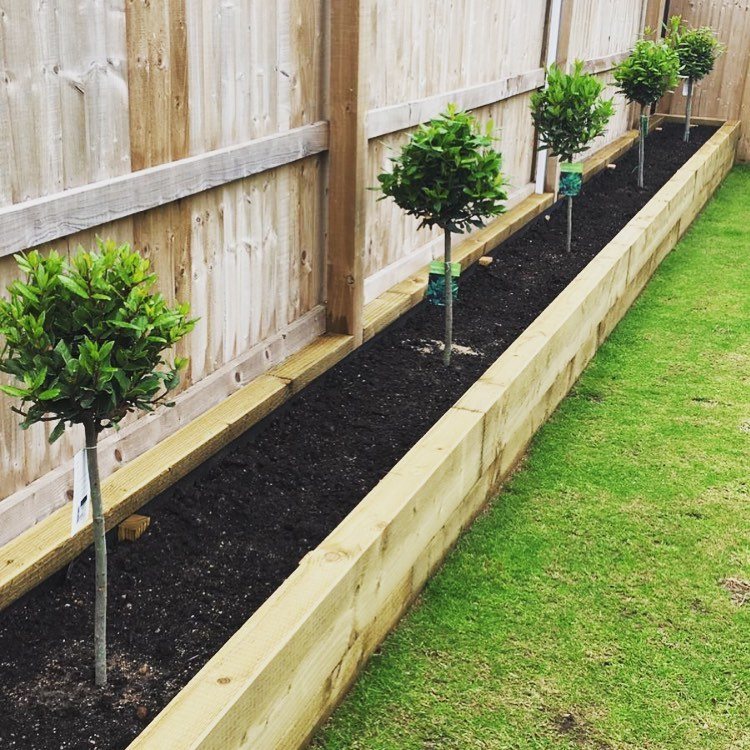
Winter garden beds can be as simple as mulching around hardy evergreens or as involved as building a raised frame with conduit and row cover to protect plants from the cold.
What you actually do depends on whether your winter drops hard enough to need protective covers and windbreaks or stays mild enough for rosemary to stay harvestable in a raised bed.
The bubble wrap lining inside a raised bed wall is one of those details that only matters once you know which cold you’re working with.
1. Plant Hardy Evergreens
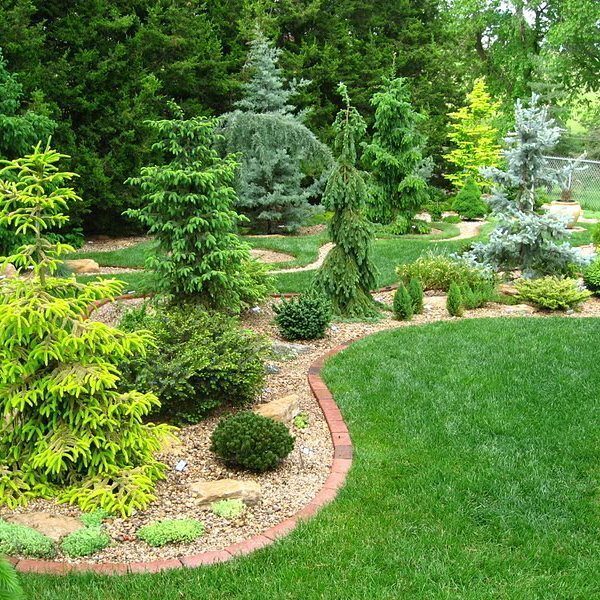
A winter garden that still looks like a garden starts with plants that refuse to quit.
Dwarf blue spruce or boxwood hold their shape through snow load, and Russian sage keeps some color even when the rest of the bed has flattened.
Hardy herbs fit here too. Sage, thyme, and rosemary stay harvestable if your winter stays mild enough for the soil to thaw occasionally.
Pick lightly; nothing grows back until spring, so what you take is gone for good.
I’d put evergreens along the edges where you see them from the kitchen window. The center of the bed can sleep; the perimeter carries the season.
2. Create Winter Interest
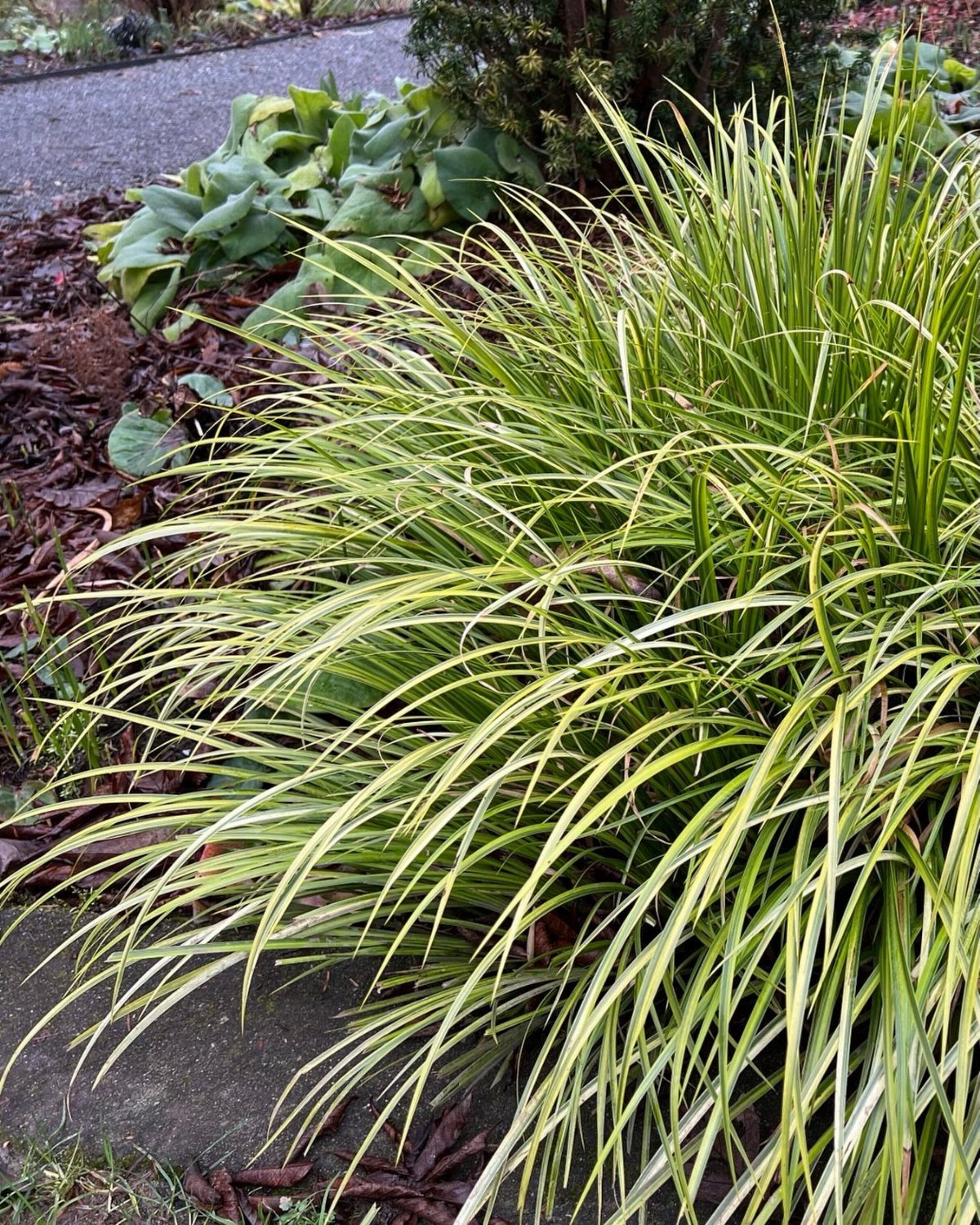
Bare branches and bark do more work in January than you’d expect. Ornamental grasses left standing catch frost and hold it, and the papery peeling on a river birch turns pink-gray against snow in a way no flower manages.
Place these where backlighting hits them, low sun through a fence or across a lawn. A skeleton of deciduous stuff inside a ring of evergreen reads as intentional structure, not abandonment.
Skip this if your HOA fines for "untidy" yards. Some neighborhoods want everything cut to the ground by Thanksgiving.
3. Mulch Garden Beds
Two to three inches of chopped leaves, straw, or finished compost over bare soil buys you several things at once. The worms stay active longer, the surface doesn’t wash away in January rains, and you lose fewer nutrients to runoff.
I run a mower over my leaf pile before spreading; whole leaves mat and let mold take hold. Straw goes on garlic the same day I plant, tucked right up against the stems without burying them.
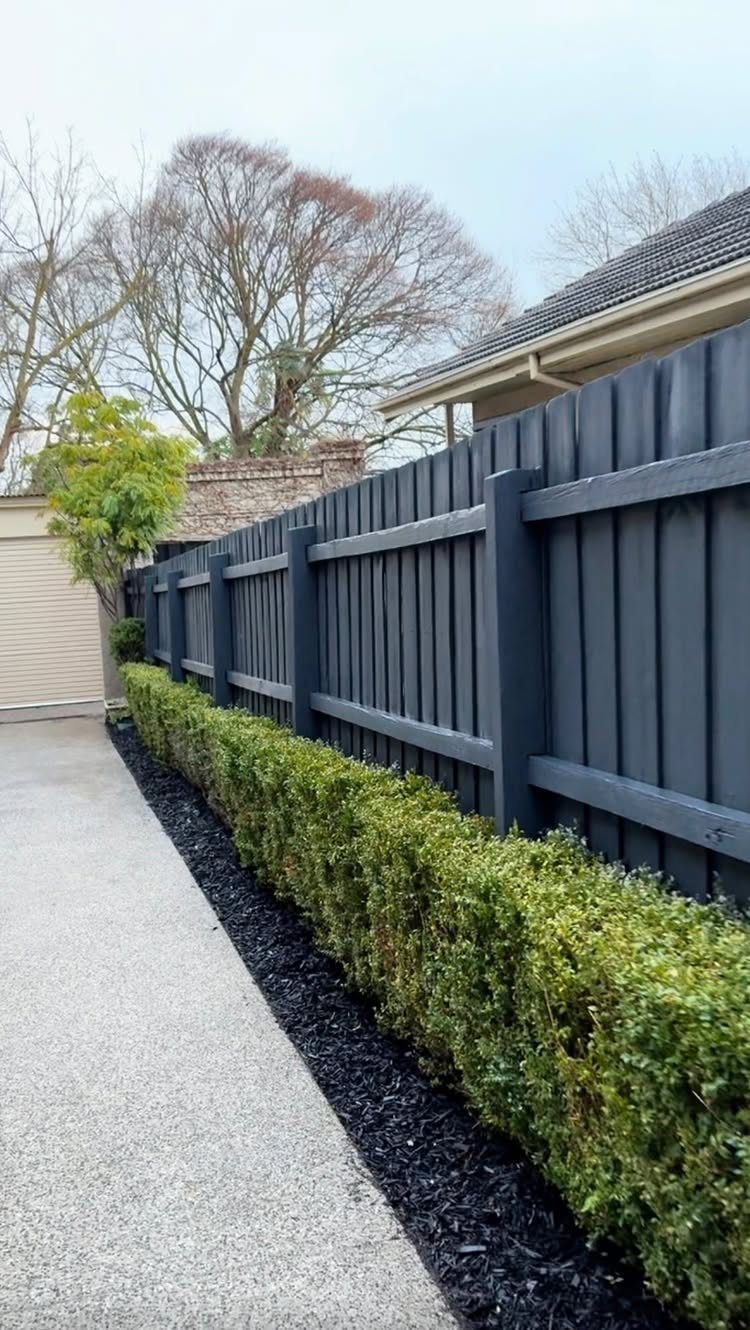
Black mulch on a hedge row works for ornamentals but heats up too much for most vegetables. Match the material to what you’re growing.
4. Use Raised Beds
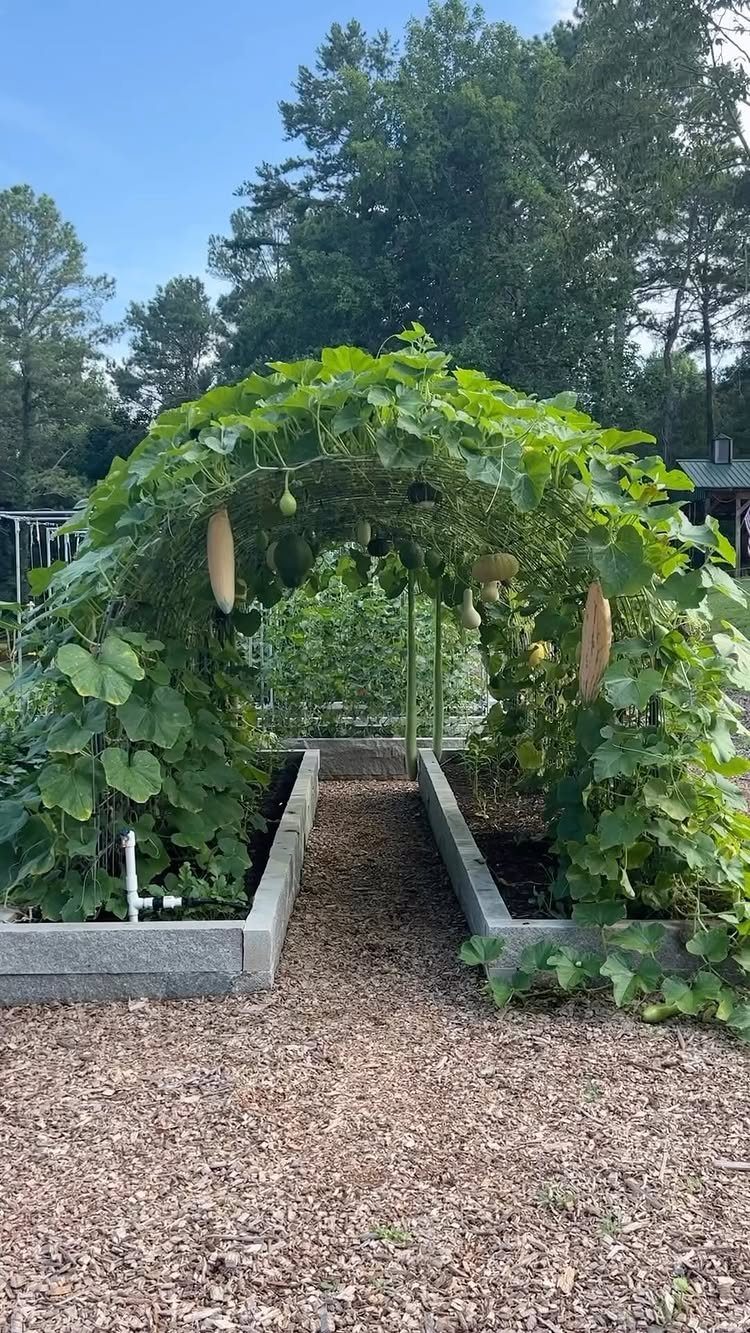
Raised beds drain faster and warm earlier, which matters more than you’d think for winter greens. The builder of the tunnel fit squash plants into a fraction of the growing space by running vines overhead instead of letting them sprawl.
For cold protection, line the inside walls with bubble wrap before the soil goes in, or pile leaves and brushwood around the exterior.
A layer of fleece or plastic over the top turns the whole bed into a cold frame; just vent it on sunny days or you’ll cook the plants.
Heavy feeders get a layer of compost or rotted manure now, while the bed is still workable. Let it break down over winter.
5. Use Protective Covers
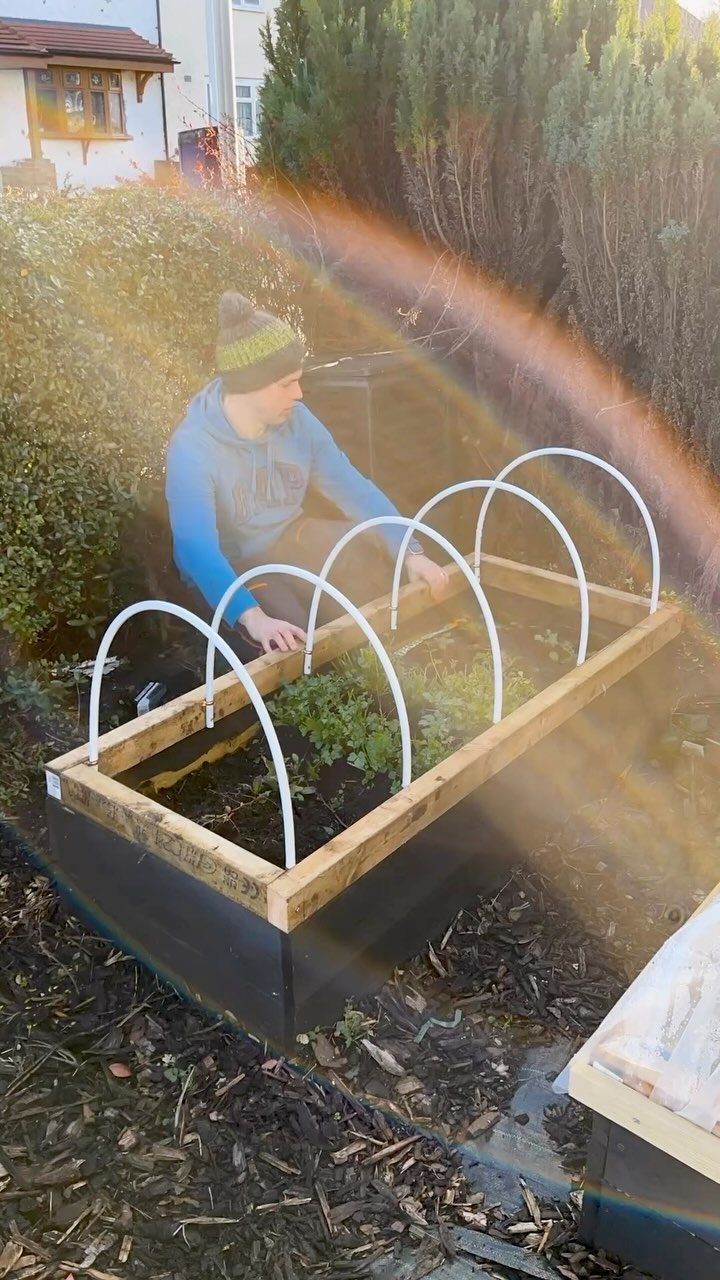
Row cover, fleece, or a sheet of plastic over bent conduit turns a raised bed into something survivable for kale or late lettuce. What you need depends on your worst night, not your average one.
Check your last frost date and how many degrees below it your cover buys you; thick plastic handles more cold than spun fabric, but it also traps more heat and needs propping open or removing on bright days.
Drainage matters as much as temperature. A bed that sits wet under cover will rot stems even above freezing.
If your soil doesn’t perk, stick to permeable materials and skip the plastic entirely.
6. Leave Spent Flowers

The seed heads on black-eyed Susan and the papery disks of hydrangea hold frost differently than bare stems, and finches pick at coneflower through January. Delay cutting until March, or don’t cut at all if the clump still has structure.
Dried material also fills wreaths without the craft-store markup. Mustard ribbon and silvery leaves dry well; gather your own in November before everything shatters.
This trades away neatness. If you need the bed to read as "maintained" all winter, this isn’t your move.
I’d rather have the birds and the free decor.
7. Winter Flower Bulbs
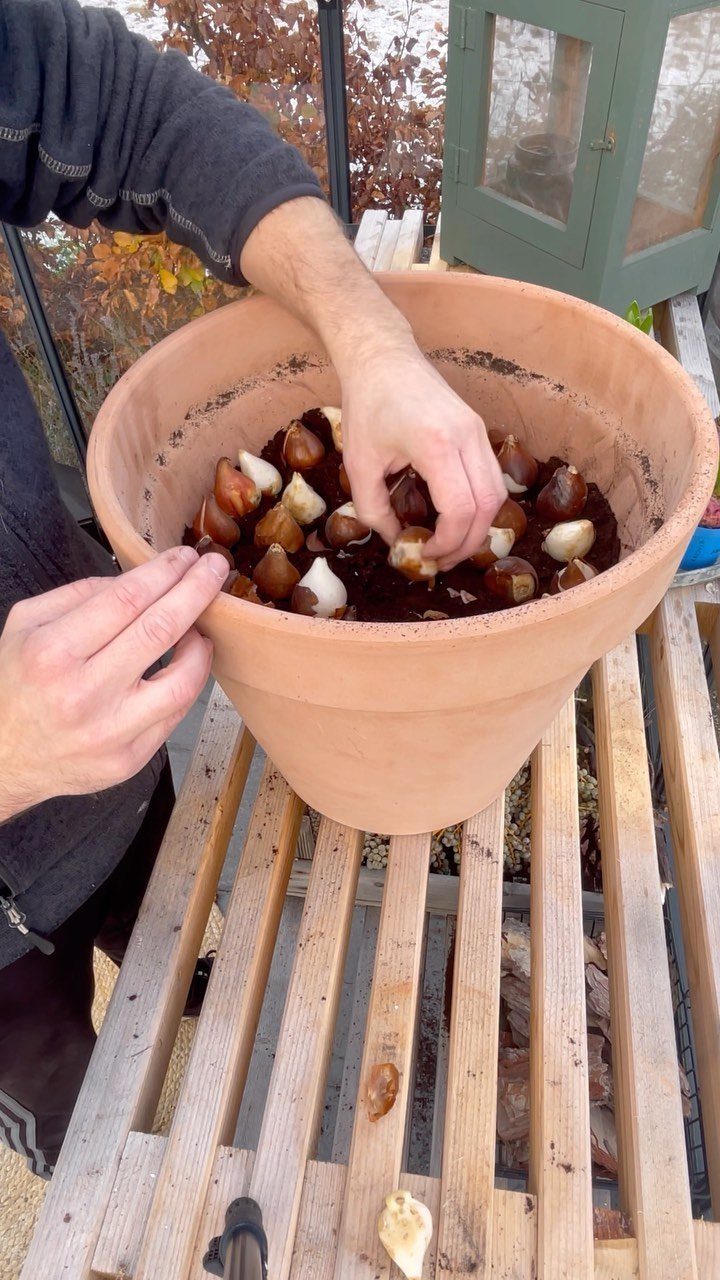
Terracotta holds warmth longer than plastic, so bulbs in pots stay workable through more of the cold season. Snowdrops and hellebores suit cold winters; pansies and violas keep going through broader swings.
I plant them close, almost touching, since winter growth is slow and I want density not spread.
Hellebores and witch hazel bloom where true cold hits. Cyclamen works if your winter stays milder.
Trapped water rots bulbs faster than frost does, so slats under the pot help more than you’d think.
For a container that moves, I’d pick violas. For one that stays, snowdrops naturalize and come back stingier each year until you divide them.
8. Harvest Root Vegetables

Beets left in ground after frost turn denser, sweeter. Carrots and parsnips do the same.
The soil insulates them; you pull as needed through winter, brushing snow off the row.
Pull out the tomatoes and beans first. Rotting fruit draws pests, and disease overwinters in dead stems.
Hardy roots are the exception, not the excuse to leave everything standing.
A light mulch of straw over the row buys you colder nights. Too deep and you get mice; I aim shallow, loose enough they can’t tunnel.
This suits anyone who forgot to harvest in October and wants to stop feeling guilty about it.
9. Green Manuring and Pre-seeding

A raised bed does not have to sit empty from November to March. Winter vetch or crimson clover sown before hard frost protects the soil, breaks compaction with root growth, and fixes nitrogen if you include legumes.
Bee friend works if you want something that dies back easier in spring.
Pre-seeding in milk jugs set in snow starts hardy vegetables for summer without grow lights or shelf space. I have not tried this; the jug method asks for a spot that gets sun and won’t blow over.
Green manure demands you turn it under before it seeds, or you fight it as a weed. Pre-seeding asks for patience and a tolerance for failure.
Either beats bare dirt eroding all winter.
10. Attract Wildlife
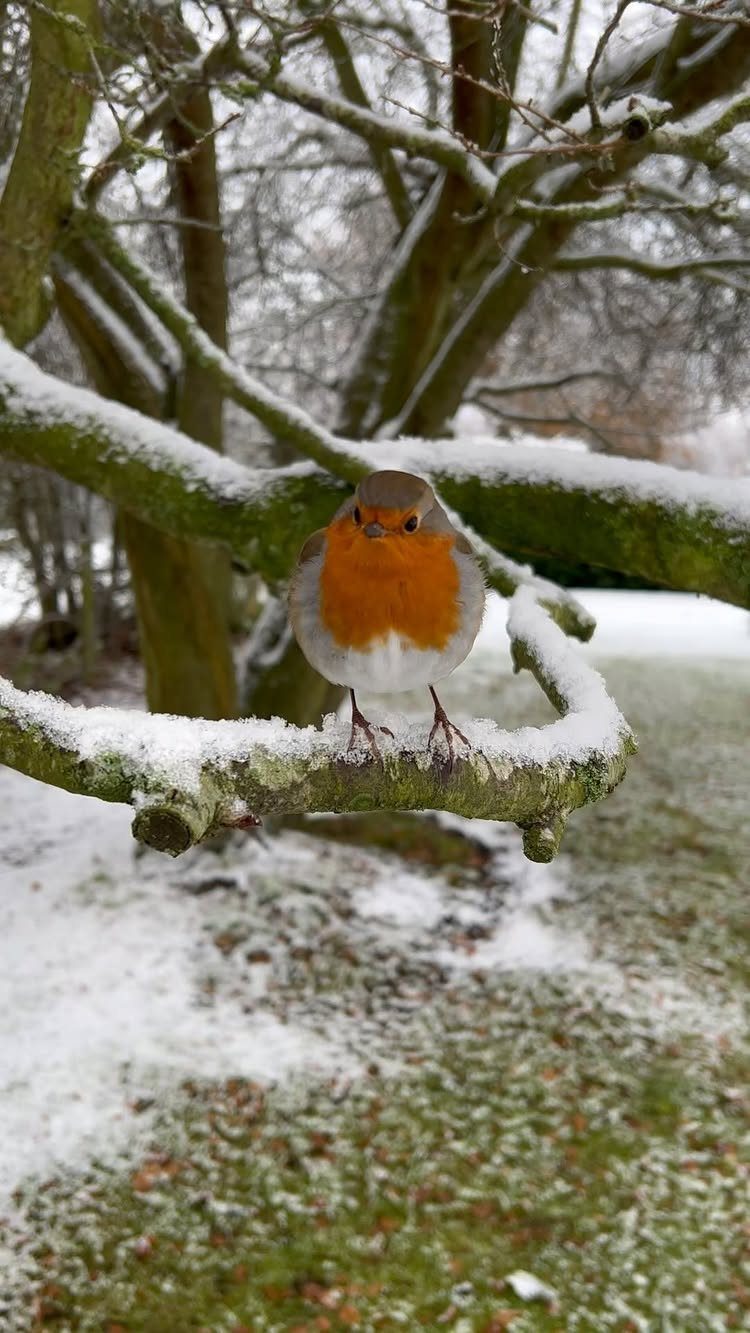
Berry shrubs feed birds when insects are scarce. Winterberry, chokecherry, and red osier dogwood fruit at different times, so I plant a mix rather than one type.
English holly works where it grows; check hardiness before you buy.
Leave seed heads on coneflowers and rudbeckia. The goldfinches in my yard prefer them to the feeder some mornings.
A heated bird bath draws more species than seed alone; moving water even in cold signals safety.
Skip the tidy fall cleanup on ornamental beds. That leaf pile shelters insects the birds eat, and the birds know it.
11. Use Topiary Shapes

Evergreen structure shows against snow in a way deciduous planting never manages. Balls and pyramids read formal; cloud-pruned or organic shapes read modern and need less frequent clipping.
Privet and Ilex crenata take shearing well. Lonicera nitida grows faster and needs more passes with the clippers.
Size matters more than variety: a topiary you let run tall becomes a job, not a pleasure.
For a single accent near an entry, I’d pick a sphere about shoulder height. For a row, alternate cone and ball so the eye moves.
Snow turns them into something the designer did not plan, which is the point.
Preparing Garden Beds for Winter
Pull tomatoes, beans, and any fruit still hanging on the vine. Hardy roots are the exception; leave beets and carrots where they stand.
Whole leaves mat and mold; I run a mower over my pile first. Worms stay active longer under cover, and the surface holds against January rains.
Cover crops fit here too. Turn them under before they seed, or you fight them as weeds next spring.
Choosing Plants for Winter Interest
Winter-blooming stuff fills the gaps. Snowdrops and hellebores suit true cold; cyclamen works where winters stay milder.
I plant bulbs in terracotta, which holds warmth longer than plastic, and set them close since winter growth is slow.
Discover Adrian Bloom’s favorite plants for adding color and texture to your winter garden.
Protecting Plants from Cold
Thick plastic handles more cold than spun fabric, but traps more heat and needs propping open on bright days or you’ll cook the plants.
A layer of fleece or plastic over the top makes a cold frame; vent it on sunny days.
Wildlife Considerations in Winter Gardens
Goldfinches prefer them to feeders some mornings.
The seed heads also fill wreaths without the craft-store markup; gather mustard ribbon and silvery leaves in November before everything shatters.
Frequently Asked Questions
What to do with garden beds in the winter?
Tomatoes and beans go out first; the fruit rots fast once frost hits and that draws every pest in the neighborhood.
Plant hardy evergreens along visible edges, leave ornamental grasses and seed heads standing for structure, and sow winter vetch or crimson clover if you want living cover instead of bare dirt.
What grows well in a winter garden?
Kale and late lettuce survive under row cover or fleece in a raised bed. Root vegetables like beets, carrots, and parsnips stay in the ground and turn sweeter after frost, insulated by soil you pull from as needed.
Snowdrops and hellebores laugh at real cold; pansies, violas, and cyclamen do better where winter just means a few hard freezes and a lot of mud.
Sage, thyme, and rosemary survive harvest if the soil thaws now and then, though you are picking what is there, not waiting on new growth until March.
What month do you start a winter garden?
Late summer into early fall is when you get moving. Sow green manure like winter vetch or crimson clover before hard frost so it establishes enough to protect soil and fix nitrogen.
Plant winter bulbs and cold-hardy vegetables while the ground still works, and get protective covers and mulch in place before your first serious freeze.





